
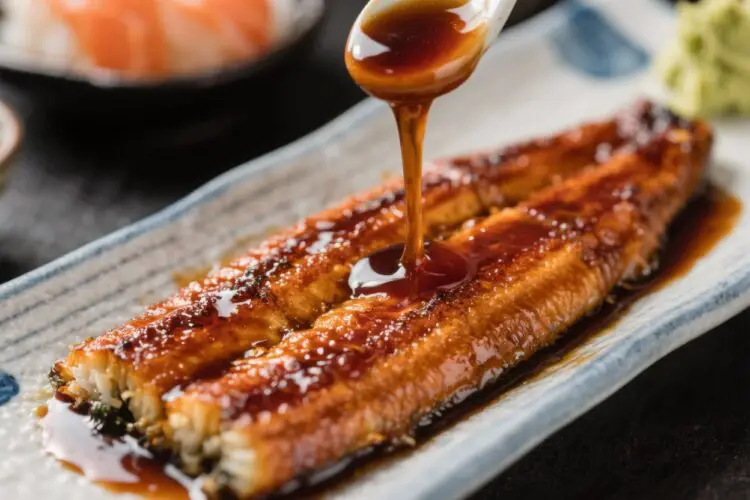
If you love the rich, sweet-savory glaze on unagi nigiri or drizzled over poke bowls, this is the sauce behind the magic. Eel sauce, or unagi sauce, is thick, glossy, and deeply flavorful—like a Japanese-style caramel with soy and umami. The best part?
It’s simple to make at home with just a few pantry ingredients. Once you try your own batch, you’ll want to put it on everything from sushi to grilled chicken.
Why This Recipe Works
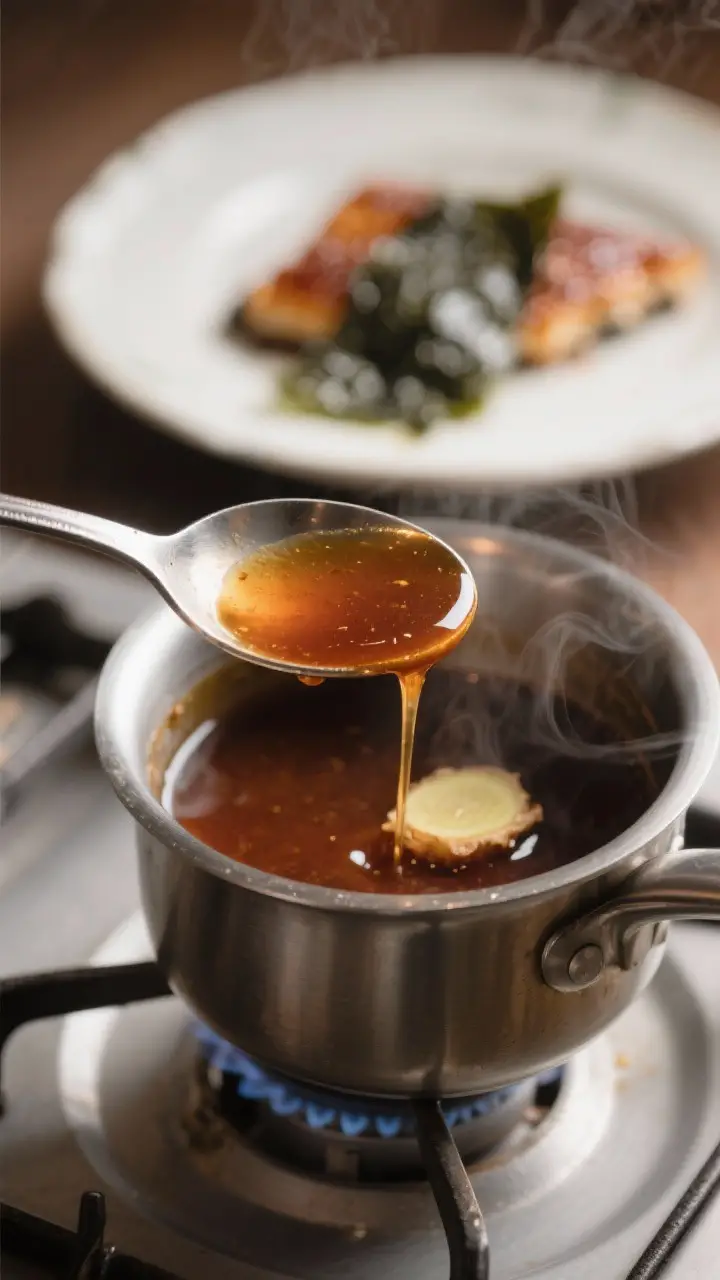
- Balanced flavors: Soy sauce brings salt, mirin and sugar add sweetness, and sake adds depth and aroma. The trio reduces into a perfectly balanced glaze.
- Restaurant-style texture: Simmering gently builds a natural syrupy body without cornstarch, for a glossy finish that clings to food.
- Fast and forgiving: It’s ready in about 15–20 minutes and doesn’t require exotic ingredients.
You can adjust sweetness and saltiness as you like.
- Versatile: It works as a drizzle, dip, or glaze for sushi, bowls, grilled meats, tofu, roasted veggies, and rice.
What You’ll Need
- Soy sauce: Regular or light Japanese-style soy sauce. Use low-sodium if preferred.
- Mirin: A sweet rice wine that adds luster and gentle sweetness. If using “aji-mirin,” reduce added sugar slightly.
- Sake: Dry Japanese rice wine for depth and a clean finish.
Cooking sake works, but real drinking sake tastes better.
- Sugar: White sugar for a clean sweet flavor and glossy finish. Brown sugar adds a hint of molasses if you like.
- Optional aromatics: A small piece of kombu, a slice of ginger, or a pinch of dashi granules for extra umami.
How to Make It
- Measure the base: Add 1/2 cup soy sauce, 1/2 cup mirin, 1/4 cup sake, and 1/4 cup sugar to a small saucepan. This yields about 3/4 to 1 cup of sauce.
- Add optional umami: Drop in a 2-inch piece of kombu or a few thin slices of fresh ginger.
These are optional but boost complexity.
- Heat gently: Set the pan over medium heat and stir until the sugar dissolves. Do not let it rapidly boil yet.
- Simmer to reduce: Lower to medium-low and let the mixture gently bubble for 10–15 minutes, stirring occasionally. You want it to reduce by about one-third.
- Check texture: Dip a spoon—when you run a finger through the back of it, the line should hold.
The sauce will thicken more as it cools, so stop when it’s slightly looser than your ideal.
- Strain and cool: Remove kombu/ginger if used. Strain for an ultra-smooth finish. Let it cool to room temperature.
- Taste and adjust: For more sweetness, whisk in 1–2 teaspoons sugar while the sauce is still warm.
For more salt, add a splash of soy. If it’s too thick, thin with a teaspoon of warm water.
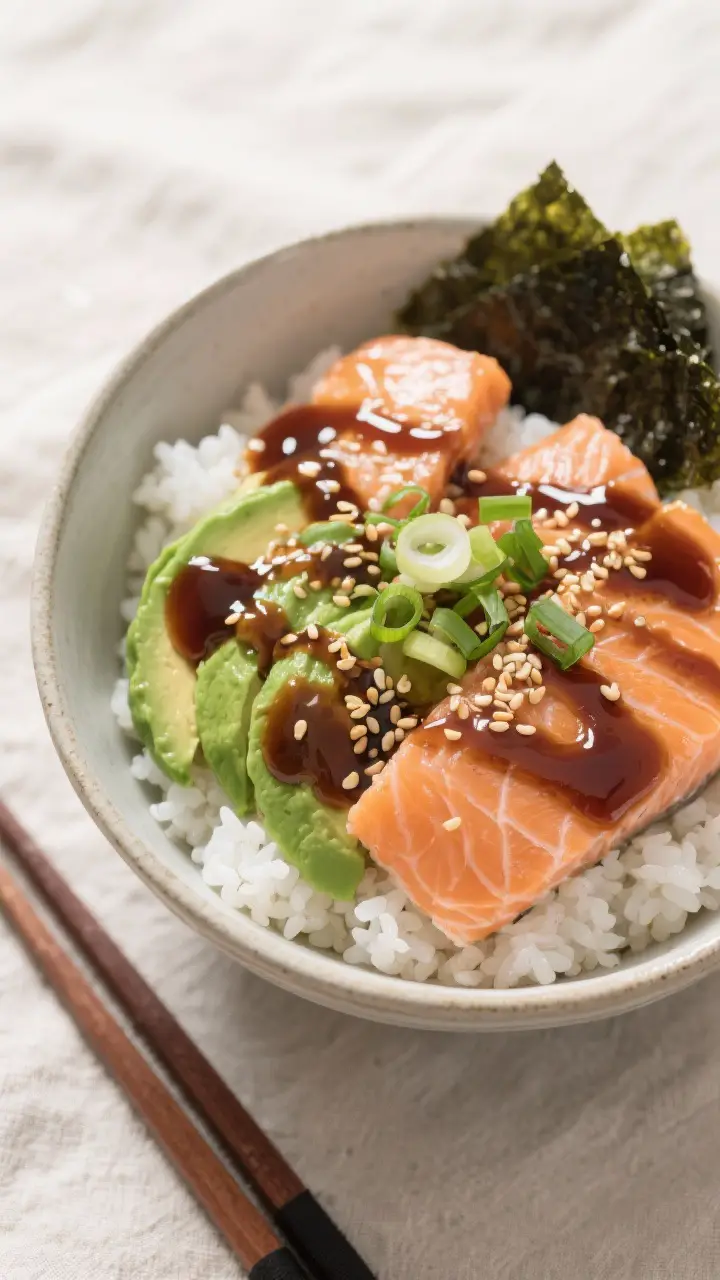
- Serve: Drizzle over sushi rolls, grilled eel, salmon bowls, teriyaki-style chicken, tofu, or roasted vegetables. It’s also great as a dip for tempura.
Storage Instructions
- Refrigerator: Store in a clean, airtight jar for up to 2–3 weeks.
- Freezer: Freeze in small portions (ice cube tray or silicone molds) for up to 3 months.
Thaw in the fridge or gently on the stovetop.
- Reheating: Warm over low heat. If it thickens too much in the fridge, whisk in a teaspoon of water or sake to loosen.
- Signs to toss: Off smells, cloudiness, or fermentation bubbles mean it’s time to discard and make a fresh batch.
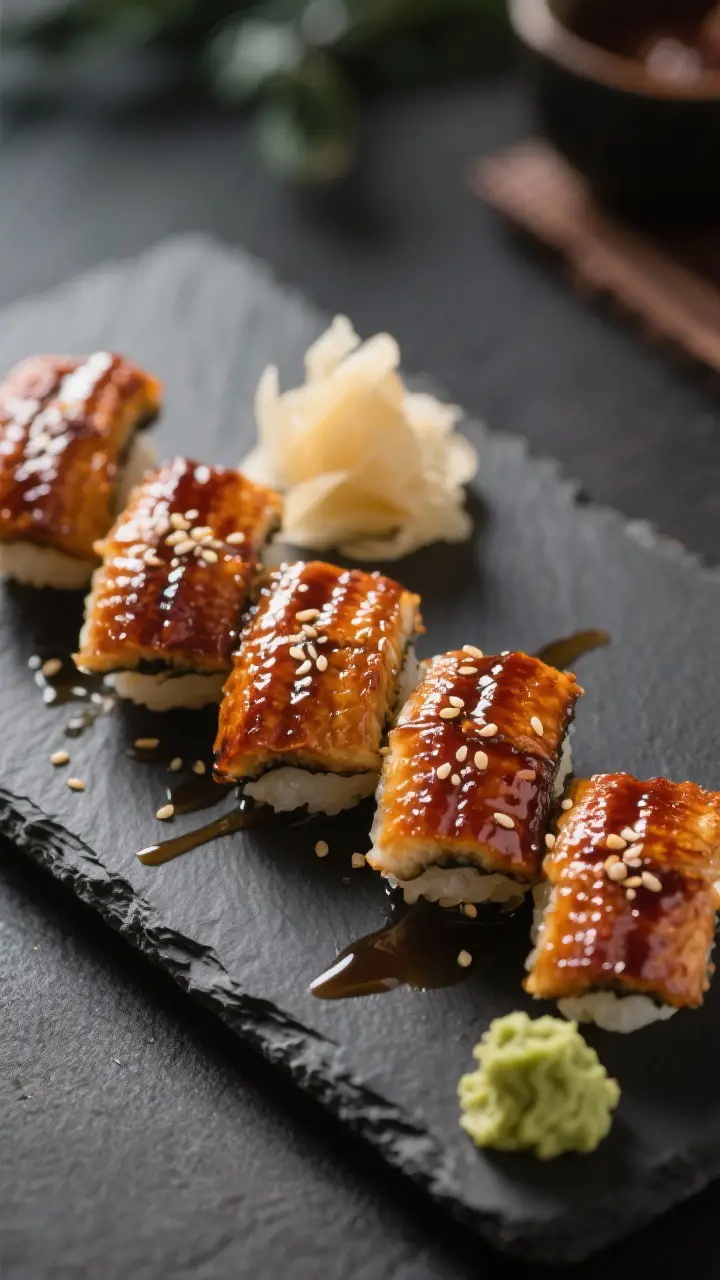
Benefits of This Recipe
- Cost-effective: A small homemade batch costs far less than bottled versions and tastes fresher.
- Customizable: You control the sweetness, saltiness, and thickness to match your dishes.
- No cornstarch required: The glossy texture comes from reduction, so the flavor stays clean and concentrated.
- Versatile in the kitchen: Works as a glaze, dip, marinade base, or finishing drizzle. It brings restaurant-level polish to weeknight meals.
Pitfalls to Watch Out For
- Over-reducing: Boiling too hard can make the sauce bitter and overly thick.
Keep it at a gentle simmer.
- Under-seasoning: If using low-sodium soy or very sweet mirin, you may need extra soy or a pinch of salt to balance.
- Not accounting for carryover thickening: The sauce thickens as it cools. Stop reducing when it’s slightly thinner than your target.
- Burnt sugar: Stir occasionally and use medium-low heat to avoid scorching on the bottom of the pan.
Recipe Variations
- Honey Unagi Sauce: Replace half the sugar with honey for floral sweetness and a gentler finish.
- Brown Sugar Depth: Use half brown sugar for hints of caramel and molasses.
- Spicy Kick: Add a pinch of red pepper flakes, a dab of gochujang, or a little chili oil for heat.
- Dashi-Boosted: Add 1/4 teaspoon dashi granules or simmer with kombu for extra umami.
- Gluten-Free: Use tamari or certified gluten-free soy sauce. Check that your mirin and sake are gluten-free.
- No-Alcohol Option: Replace sake with water and a tiny splash of rice vinegar (1/2 to 1 teaspoon) to brighten.
Keep mirin, or use a mirin-style seasoning if needed.
- Extra Gloss: Whisk in 1/2 teaspoon neutral oil (like grapeseed) after cooling for a subtle sheen.
FAQ
Does eel sauce contain eel?
No. Traditional unagi sauce doesn’t contain eel. It’s a soy-based glaze used on grilled eel, but the sauce itself is typically just soy, mirin, sake, and sugar.
Can I make it without mirin?
Yes.
Use 1/2 cup sake plus 1–2 tablespoons sugar to replace the sweetness of mirin, or mix 1/2 cup water with 1 tablespoon rice vinegar and 2–3 tablespoons sugar. Adjust to taste.
How do I fix a sauce that’s too salty?
Add a little more sugar and a splash of water, then simmer briefly to meld. You can also stir in a small spoon of honey for roundness.
How do I fix a sauce that’s too sweet?
Add a splash of soy sauce and a small amount of sake or water.
Simmer for a minute or two and taste again.
Can I use it as a marinade?
Yes, but because it’s sweet, it can burn on high heat. If marinating, cook over medium heat and keep an eye on it, or use it as a finishing glaze during the last few minutes of cooking.
How thick should it be?
Aim for a syrupy, pourable consistency that slowly coats a spoon. Remember it thickens as it cools, so stop reducing just before it hits your ideal thickness.
Is it the same as teriyaki sauce?
They’re related but not identical.
Unagi sauce is usually thicker and sweeter, with a deeper caramel note, while teriyaki can be lighter and sometimes includes ginger and garlic.
What can I serve it with besides sushi?
Try it on grilled salmon, chicken thighs, tofu, roasted Brussels sprouts, rice bowls, avocado toast, and even as a dip for shrimp or tempura.
In Conclusion
Homemade eel sauce is simple, fast, and unbelievably useful. With just four core ingredients and a quick simmer, you get a glossy, restaurant-quality glaze that upgrades sushi, bowls, and weeknight proteins. Keep a jar in the fridge, tweak it to your taste, and you’ll always have an instant flavor booster ready to go.
Printable Recipe Card
Want just the essential recipe details without scrolling through the article? Get our printable recipe card with just the ingredients and instructions.