
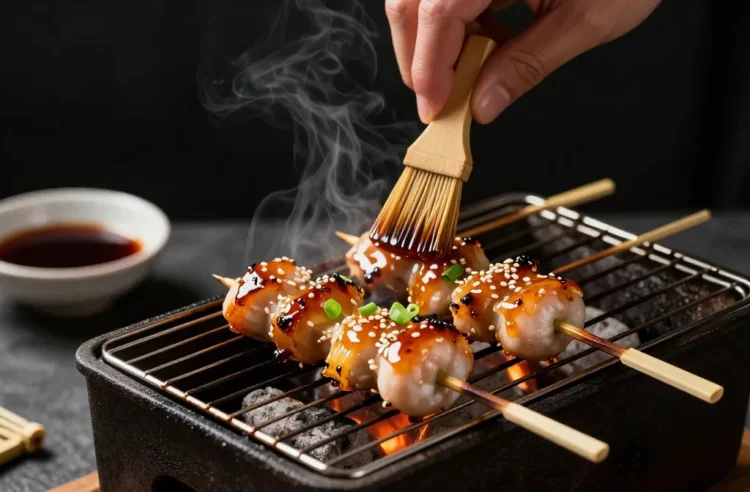
You want smoky, savory skewers in less time than it takes to scroll a recipe reel? Grab some skewers and a brush—because this Japanese Miso Ginger Yakitori happens in seven minutes flat. No overnight marinade drama. No kitchen meltdown. Just glossy, caramelized chicken with that sweet-salty miso hit and bright ginger kick. Hungry yet?
Why This Yakitori Slaps (And Saves Your Weeknight)
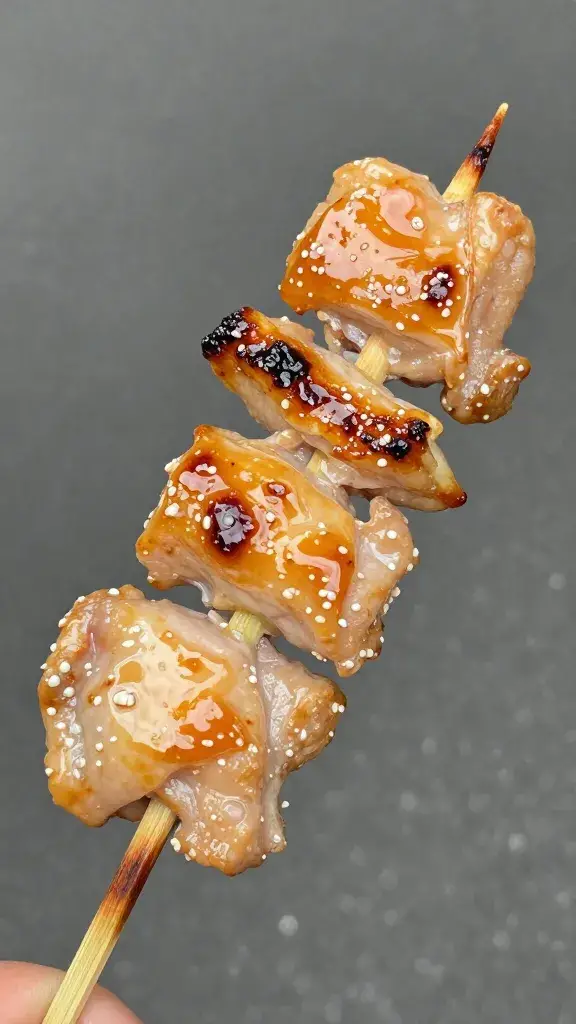
You get big umami with barely any prep. Miso, ginger, and a touch of sweetness create that telltale yakitori glaze with zero complicated steps. You’ll brush as you grill, so the sauce clings and caramelizes right in front of you.
Also, you skip long marinades entirely. You just mix, skewer, brush, and flip. It’s a minimalist move that still tastes like you spent all afternoon fussing over it. FYI, your grill pan or broiler works fine if you’re not rolling with charcoal.
The 7-Minute Skewer Brush Method
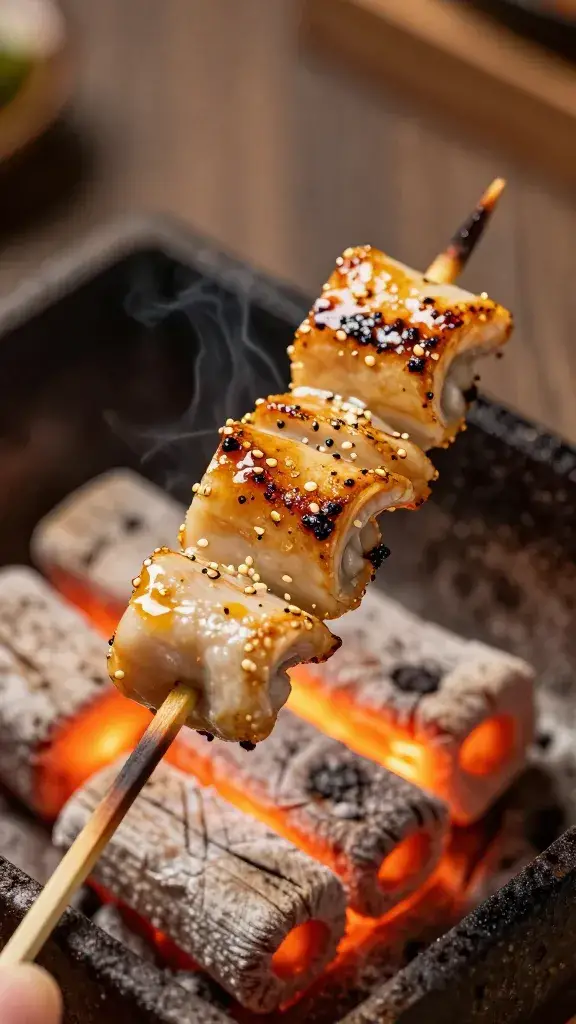
Here’s the play-by-play. Keep it moving and your skewers will come out glossy and perfect.
- Soak wooden skewers for 15 minutes (or use metal).
- Cut chicken thighs into 1-inch chunks. Thighs stay juicy; IMO, breasts dry out too easily.
- Thread chicken onto skewers, snug but not squished.
- Preheat grill, grill pan, or broiler to high. You want serious heat.
- Brush with miso ginger glaze (recipe below). Lay skewers down and cook 2 minutes.
- Flip, brush again. Cook 2 more minutes.
- Flip one last time, brush generously, and cook 2-3 minutes until caramelized and just cooked through.
Total cook time: about 7 minutes. Don’t wander off—this goes fast, and the glaze can scorch if you ghost it.
The Glaze (AKA Your Flavor Engine)
Whisk together:
- 2 tablespoons white miso (shiro miso)
- 1 tablespoon soy sauce (use tamari for gluten-free)
- 1 tablespoon mirin
- 1 tablespoon sake (or water + 1/2 teaspoon sugar if needed)
- 1 tablespoon honey or maple syrup
- 1 tablespoon grated fresh ginger
- 1 teaspoon sesame oil
Pro tip: Thin the glaze with a splash of water if it feels pasty. You want a brushable consistency—think maple syrup, not peanut butter.
Yakitori, But Make It Miso
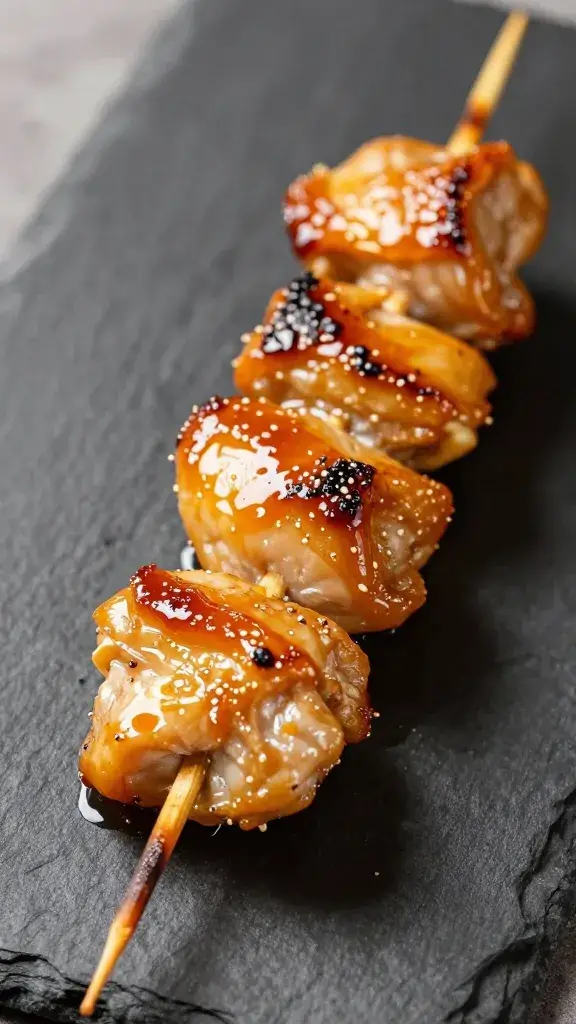
Traditional yakitori often uses tare, a soy-based glaze that simmers and ages. We’re cheating (strategically). Miso brings fermented depth instantly, and ginger adds that energetic zing so the richness doesn’t feel heavy.
You still get the classic sweet-salty balance. The sugars in the honey and mirin brown fast and give you that lacquered sheen. That’s the magic of the brush-as-you-grill method—it layers flavor without drowning the meat.
Why Thighs Win
Chicken thighs forgive you. They stay tender even if you go a minute over. Breasts cook fast and can go chalky, which nobody wants. If you insist on breasts, cut them slightly larger and drop the final minute.
Gear Check: What You Actually Need
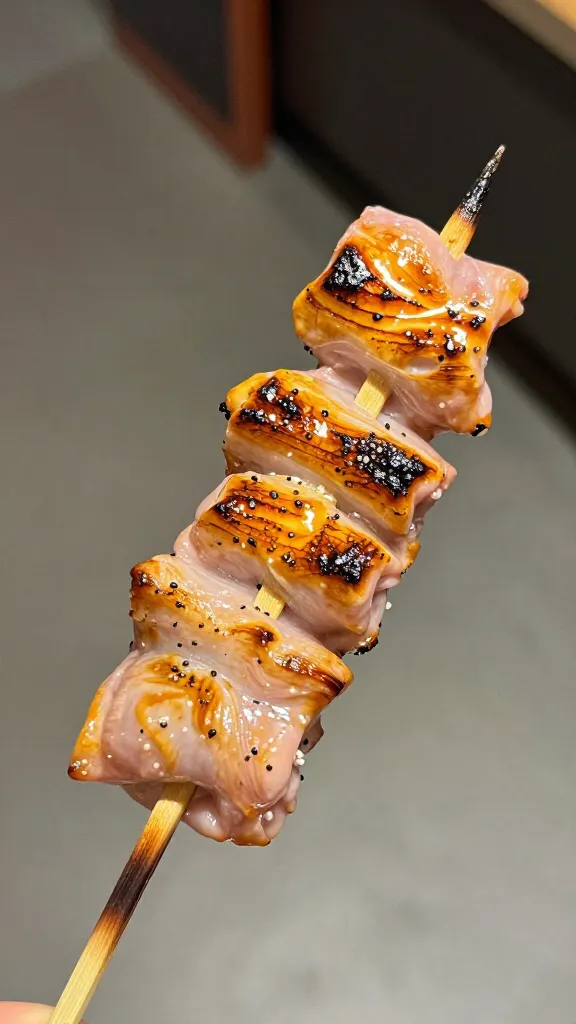
You don’t need a yakitori bar in your backyard. You need:
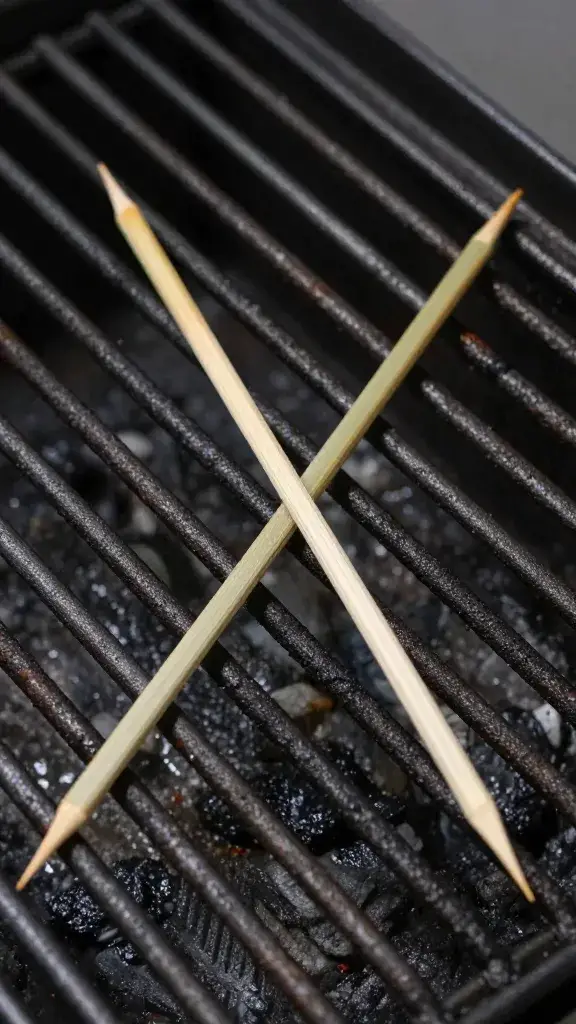
- Skewers (bamboo or metal)
- Heat: charcoal grill, gas grill, grill pan, or broiler
- Brush: silicone or pastry brush for the glaze
- Small bowl of oil and a paper towel to grease grates/pan
Charcoal lovers: Bank coals to one side. Start hot for sear, then finish over medium heat if things get aggressive.
Broiler folks: Use the top rack and a foil-lined sheet with a wire rack. Watch closely—broilers go from golden to “send help” fast.
Flavor Boosters That Play Nice
Want to riff? Do it. Keep the backbone of miso + soy + sweet, then spin the dials.
- Add 1 teaspoon yuzu kosho for citrusy heat.
- Swap honey for brown sugar for a deeper caramel vibe.
- Stir in 1 teaspoon grated garlic for extra punch (not traditional, but tasty).
- Finish with togarashi or a squeeze of lemon for brightness.
Veg-Friendly Skewers
Brush the same glaze on:
- Shiitakes or creminis (meaty and absorbent)
- Scallions cut into 2-inch lengths (hello, negima vibes)
- Firm tofu cubes, well-pressed
- Shishito peppers (blistered and addictive)
Cook times vary, but the brush-flip-brush cycle still rules.
Timing and Texture: Read the Signs
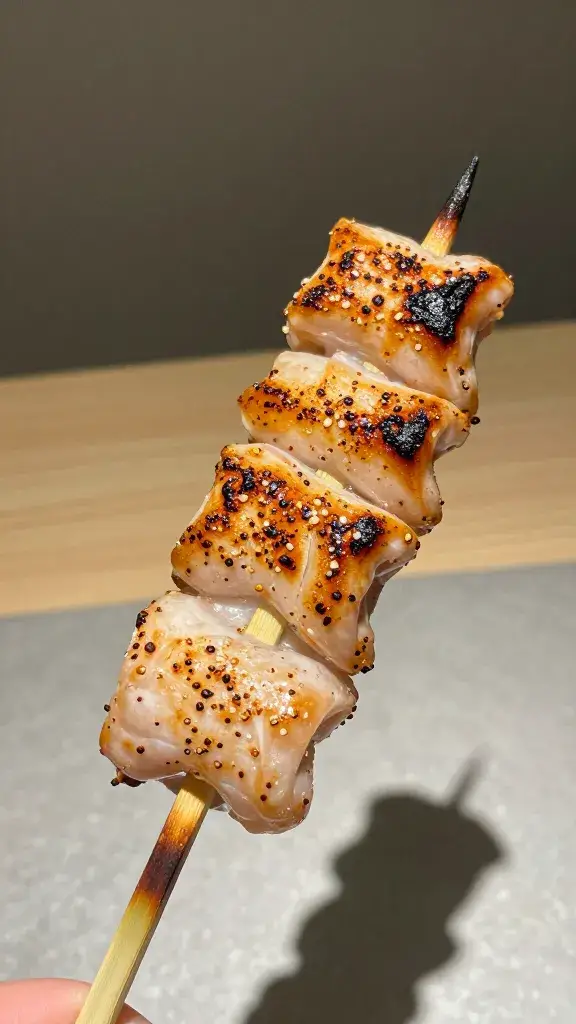
You’ll know it’s working when you see:
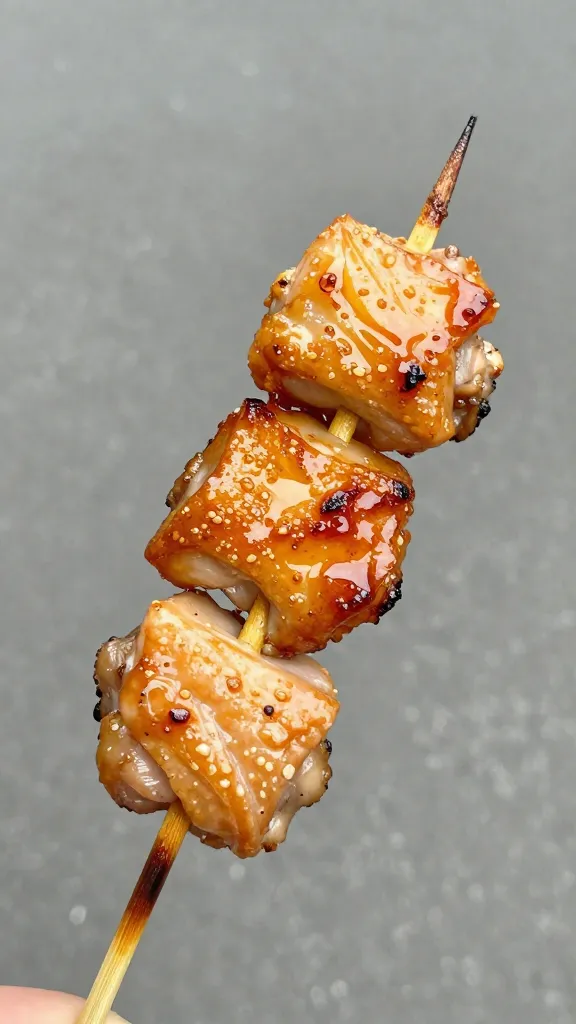
- Edges turning deep amber with little char kisses
- Glaze tightening to a glossy coat, not dripping
- Juices running clear when you nudge a piece with tongs
If the glaze starts to burn, move the skewers to a cooler zone and brush with a thinner layer. Caramelization = good. Bitter burn = sad.
Salt Balance: Let Miso Lead
Miso and soy both bring salt. Taste your glaze before you brush. If it’s bracing, add 1-2 teaspoons water and another teaspoon honey to round it out. You want savory, not sodium shock.
Serving: Keep It Simple, Keep It Crunchy
You don’t need a parade of sides. Do a few things right and call it a win.
- Serve over short-grain rice or a mound of shredded cabbage.
- Scatter sliced scallions and toasted sesame seeds on top.
- Add quick pickles: cucumber + rice vinegar + a pinch of sugar + salt, 10 minutes.
- Optional: brush with one last whisper of glaze before serving for shine.
Drink pairings: Crisp lager, cold sake, or iced green tea. If you’re going wine, a chilled, zippy white like Sauvignon Blanc handles the miso beautifully.
Make-Ahead and Leftovers (Yes, They Reheat)
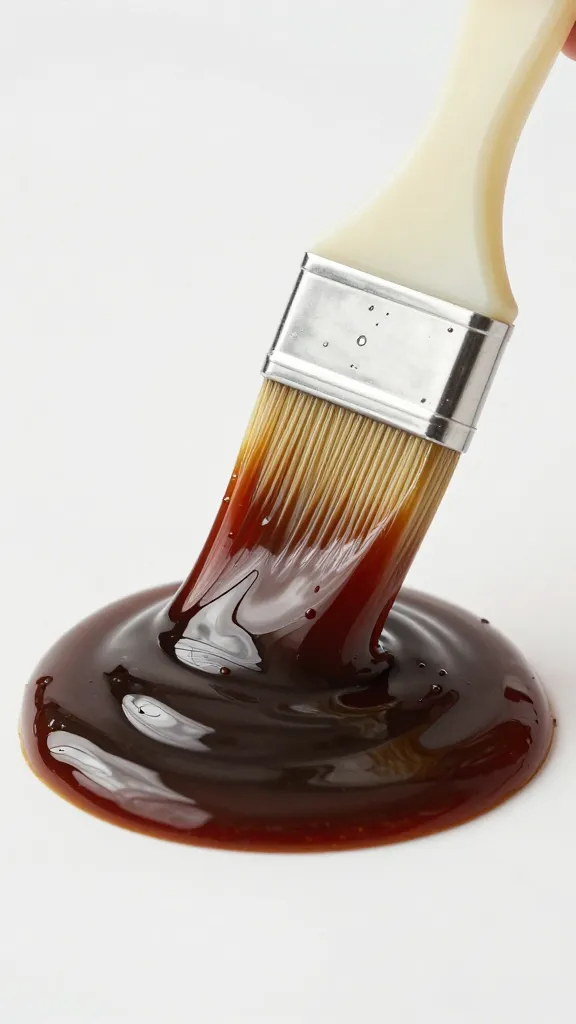
You can whisk the glaze up to 5 days ahead and stash it in the fridge. Give it a stir before using. If it thickens, add a splash of warm water.
Cooked skewers reheat well under a broiler for 1-2 minutes. Brush with a little leftover glaze first so they don’t look tired. Or slice the chicken off the skewers and toss it into a rice bowl with cucumbers and a soft-boiled egg. Breakfast yakitori? I won’t judge.
FAQ
Can I use red miso instead of white miso?
You can, but expect a stronger, saltier flavor. Red miso brings deeper funk and can overpower if you don’t balance it. If you swap, reduce soy by half and add an extra teaspoon of honey to keep things friendly.
Do I need to marinate the chicken first?
Nope. The brush-on method builds layers of flavor as the chicken cooks. The sugars in the glaze caramelize on contact and lock in juiciness. Marinating can even make the glaze burn faster, so skip it here.
What if I don’t have mirin or sake?
Use a combo of water and a pinch of sugar to mimic the sweetness and body. For mirin, 1 tablespoon water + 1/2 teaspoon sugar works in a pinch. For sake, water works fine, or use a splash of dry white wine if you have it.
How do I keep the skewers from sticking?
Preheat hard, then oil your grates or pan lightly. Let the chicken release before flipping—if it clings, give it 15 more seconds. Also, avoid drenching the first side with too much glaze; a thin coat prevents sugary stickage.
Can I make this spicy?
Absolutely. Add a teaspoon of gochujang or a pinch of cayenne to the glaze. Or finish with togarashi for that citrusy, peppery heat that plays great with miso and ginger.
How do I know when the chicken is done?
Look for a deep golden-brown glaze with small charred spots, and juices that run clear. If you use a thermometer, aim for 165°F in the thickest piece. With high heat and 1-inch pieces, that usually hits around the 7-minute mark.
Final Bite
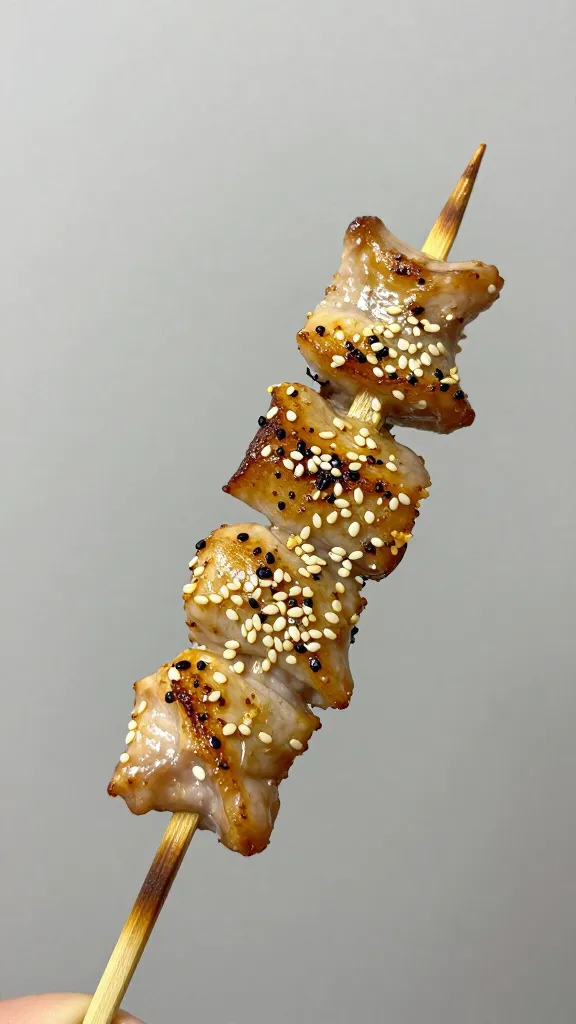
Seven minutes, one brush, maximum flavor—this Miso Ginger Yakitori delivers serious weeknight swagger. The glaze clings, the ginger pops, and the miso does all the heavy lifting. Keep a bowl of rice nearby and a napkin for the glossy fingers, and you’re golden. IMO, it’s the kind of recipe you’ll memorize after one round and flex forever.