

Creamy garlic chicken feels like a hug in a pan. It’s cozy, full of flavor, and comes together without a sink full of dishes. This version is fast enough for a weeknight but special enough for guests.
The sauce is silky, the chicken stays juicy, and the whole thing tastes like you spent way more time on it than you did. If you love garlicky, savory comfort, this one’s for you.
Why This Recipe Works
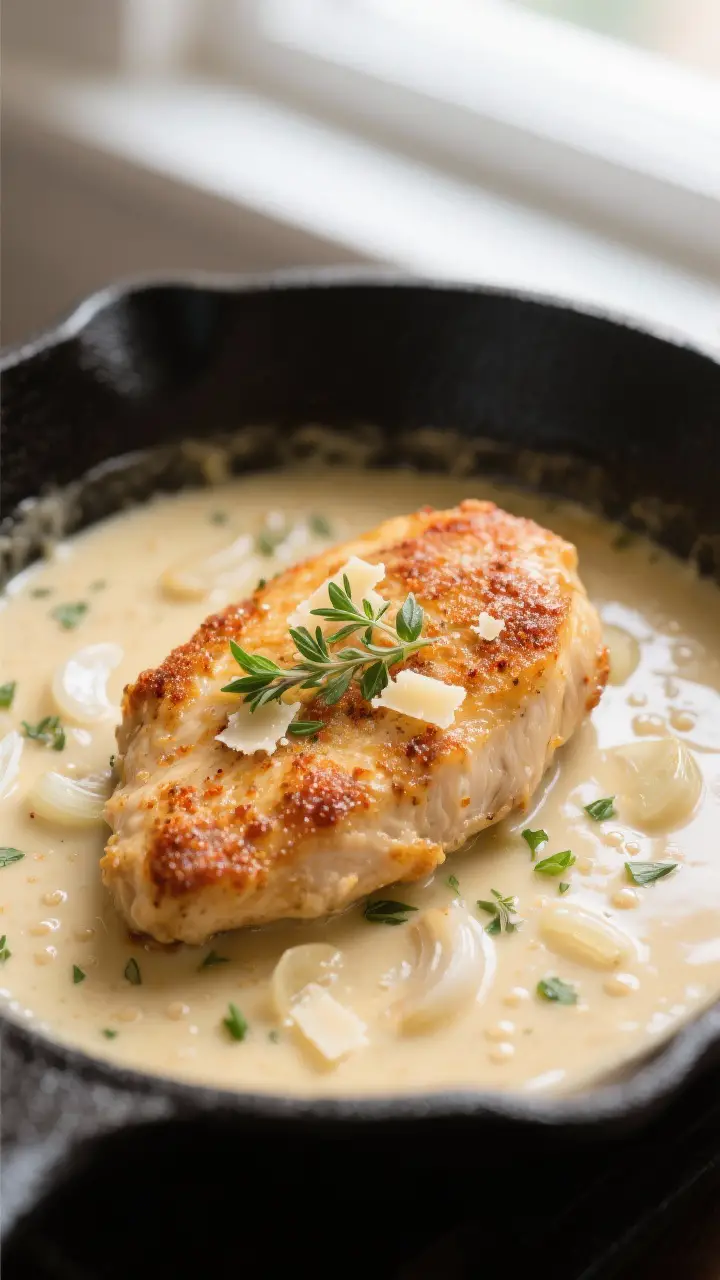
- Simple technique, big flavor: Browning the chicken first builds a rich base. The browned bits on the pan become the backbone of a deeply savory sauce.
- Garlic done right: Sautéing fresh garlic gently in butter softens its sharpness and brings out sweetness without bitterness.
- Balanced creaminess: A mix of chicken broth and cream keeps the sauce rich but not heavy.
A splash of lemon brightens everything.
- One pan, minimal cleanup: Everything happens in a single skillet, which makes this a practical go-to for busy nights.
- Flexible and forgiving: Works with chicken breasts or thighs, pairs with pasta, rice, or veggies, and welcomes swap-ins like spinach or mushrooms.
What You’ll Need
- 1.5 to 2 pounds boneless, skinless chicken (breasts or thighs, patted dry)
- 1 teaspoon kosher salt (plus more to taste)
- 1/2 teaspoon black pepper
- 1 teaspoon paprika (sweet or smoked)
- 2 tablespoons olive oil
- 2 tablespoons unsalted butter
- 6–8 cloves garlic, finely minced (or thinly sliced)
- 1/2 cup finely chopped onion or shallot (optional but recommended)
- 1 cup low-sodium chicken broth
- 3/4 cup heavy cream (or half-and-half for a lighter sauce)
- 1 teaspoon Dijon mustard (optional, for depth)
- 1/2 teaspoon dried thyme (or 1 teaspoon fresh)
- 1/2 teaspoon dried oregano (or Italian seasoning)
- 1–2 teaspoons fresh lemon juice
- 1/4 cup grated Parmesan (optional, for extra savoriness)
- Fresh parsley or chives, chopped, for garnish
How to Make It
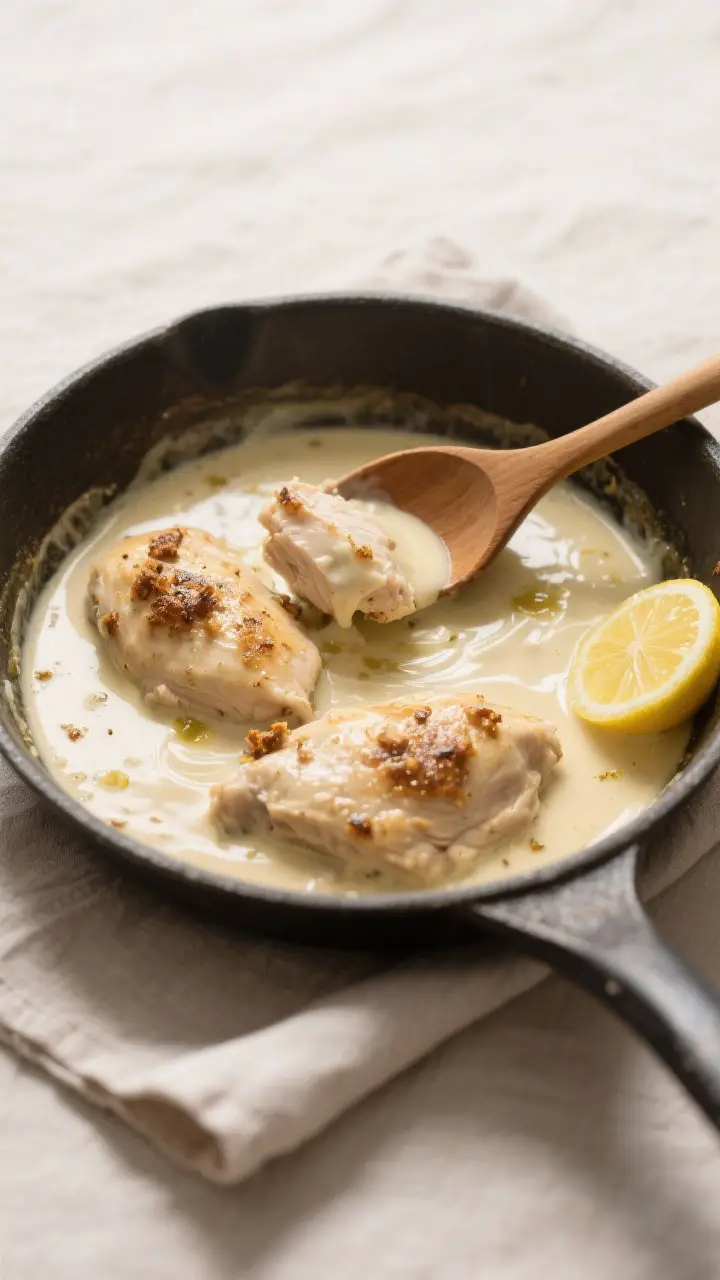
- Season the chicken: Mix salt, pepper, and paprika. Sprinkle evenly over both sides of the chicken. Pat seasoning in gently so it sticks.
- Brown the chicken: Heat olive oil in a large skillet over medium-high.
Add chicken in a single layer. Sear until golden on both sides, about 4–5 minutes per side for breasts (a bit less for thighs). Transfer to a plate.
It doesn’t need to be fully cooked yet.
- Build the flavor base: Reduce heat to medium. Add butter to the same pan. Stir in onion or shallot and cook until soft and translucent, 2–3 minutes, scraping up browned bits.
- Gently cook the garlic: Add garlic and cook 30–60 seconds until fragrant.
Keep the heat moderate so it doesn’t brown or burn.
- Deglaze and simmer: Pour in chicken broth. Stir, scraping the pan. Simmer 2–3 minutes to let it reduce slightly.
- Make it creamy: Stir in cream, Dijon, thyme, and oregano.
Bring to a gentle simmer. If using Parmesan, add it now and stir until smooth.
- Return the chicken: Add chicken and any juices back to the skillet. Reduce heat to low and simmer 4–6 minutes, or until the chicken is cooked through and the sauce thickens slightly.
- Finish with brightness: Stir in lemon juice.
Taste and adjust salt and pepper. The sauce should be garlicky, creamy, and balanced.
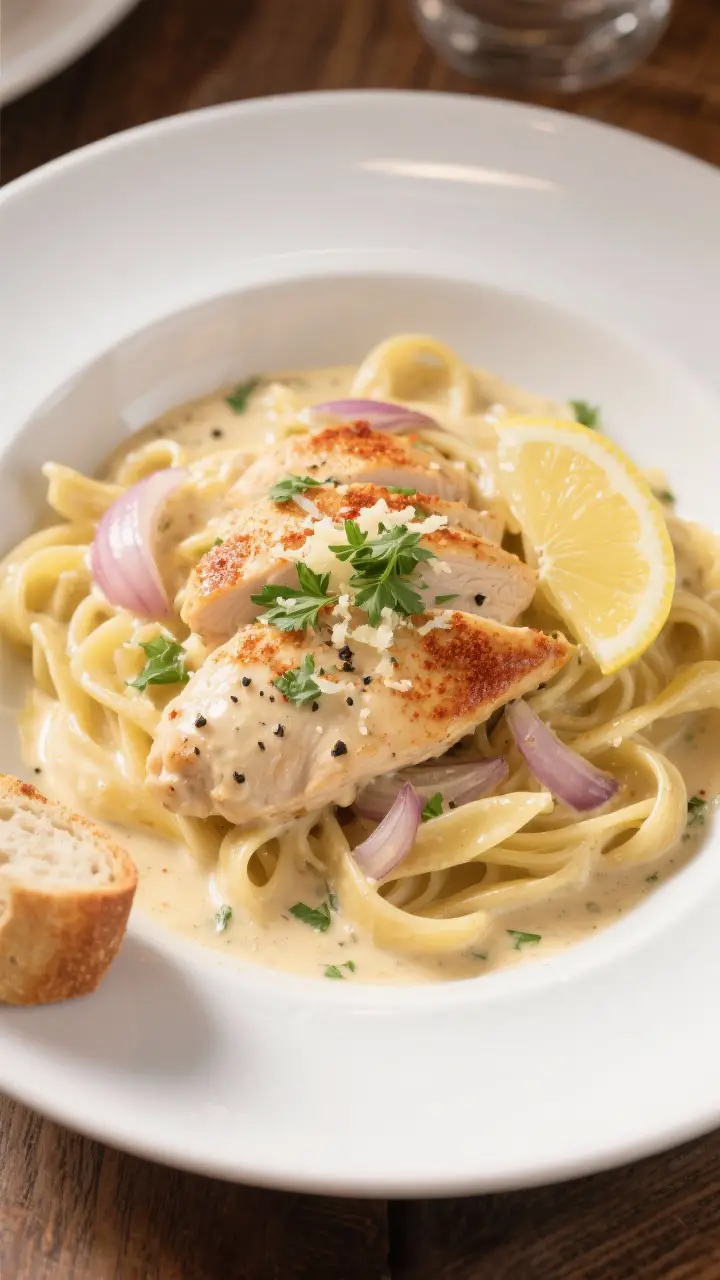
- Garnish and serve: Sprinkle with chopped parsley or chives. Serve over mashed potatoes, rice, pasta, or with crusty bread and a simple green salad.
Keeping It Fresh
- Storage: Cool completely, then refrigerate in an airtight container for up to 3–4 days.
- Reheating: Warm gently on the stovetop over low heat.
Add a splash of broth or water to loosen the sauce. Avoid boiling to keep the cream from separating.
- Freezing: Cream sauces can split after freezing. If you must freeze, do it without the cream and add cream when reheating.
- Make-ahead tip: Season and brown chicken earlier in the day.
Finish the sauce and final simmer just before serving.
Health Benefits
- Protein-rich: Chicken provides lean protein to support muscles and keep you fuller longer.
- Garlic goodness: Garlic contains compounds like allicin that may support heart health and immune function.
- Customizable richness: You can use half-and-half or lighten the sauce with extra broth if you prefer fewer saturated fats.
- Add veggies: Toss in spinach, mushrooms, or steamed broccoli for fiber, vitamins, and minerals without much effort.
Pitfalls to Watch Out For
- Overcooking the chicken: It’s easy to go from juicy to dry. Pull the chicken once it hits 165°F and let it rest in the sauce.
- Burning the garlic: Garlic turns bitter fast. Keep the heat moderate and add it after the onions soften.
- Broken sauce: Boiling cream can cause separation.
Keep the simmer gentle and stir occasionally.
- Too salty: If using Parmesan or regular-sodium broth, salt lightly at first and adjust at the end.
- Thin sauce: If the sauce feels thin, simmer a few extra minutes or whisk in 1 teaspoon of cornstarch mixed with 1 tablespoon of water.
Variations You Can Try
- Mushroom upgrade: Sauté sliced cremini or button mushrooms with the onions for an earthy twist.
- Spinach and sun-dried tomatoes: Stir in a handful of baby spinach and a few chopped sun-dried tomatoes near the end.
- Lemon herb: Increase lemon to 1 tablespoon and swap thyme for fresh basil or parsley.
- Bacon lovers: Crisp 2–3 slices of chopped bacon first, remove, and use the drippings to cook the onions. Sprinkle bacon over the finished dish.
- Dairy-light: Use half-and-half and skip the Parmesan. Simmer a bit longer to reduce, or add a small cornstarch slurry for body.
- Gluten-free friendly: This recipe is naturally gluten-free; just check labels on broth and mustard.
- Spice it up: Add a pinch of red pepper flakes with the garlic for a gentle kick.
FAQ
Can I use chicken thighs instead of breasts?
Yes.
Thighs are juicy and forgiving. They often cook a little faster and stay tender, so they’re a great choice for this recipe.
What can I use instead of heavy cream?
Half-and-half works, though the sauce will be slightly thinner. For a lighter option, use more broth and thicken with a small cornstarch slurry.
Coconut milk can work for a dairy-free twist, but it will add a subtle coconut flavor.
How do I know when the chicken is done?
Use an instant-read thermometer and look for 165°F in the thickest part. If you don’t have one, slice into the center; the juices should run clear and the meat should be opaque.
Can I make this ahead for guests?
You can brown the chicken and prep the sauce base in advance. Finish the final simmer and lemon just before serving for the best texture and flavor.
What should I serve with it?
Mashed potatoes, buttered pasta, rice, or polenta all work well.
For lighter sides, try roasted asparagus, green beans, or a crisp salad.
How do I fix a sauce that’s too salty?
Add a splash of unsalted broth or a bit more cream to dilute. A squeeze of lemon can also help balance the flavor.
Can I add vegetables directly to the skillet?
Absolutely. Mushrooms, spinach, peas, or chopped kale can go right in.
Add sturdier veggies earlier and delicate greens at the end.
Wrapping Up
This Creamy Garlic Chicken Skillet checks all the boxes: simple, satisfying, and versatile. It leans on everyday ingredients to make a sauce that’s silky and comforting without being fussy. Once you try it, you’ll find yourself coming back to it on busy nights and lazy weekends alike.
Keep it classic, or make it your own with mushrooms, greens, or a burst of lemon. Either way, you’re getting a pan of pure comfort with minimal effort.