
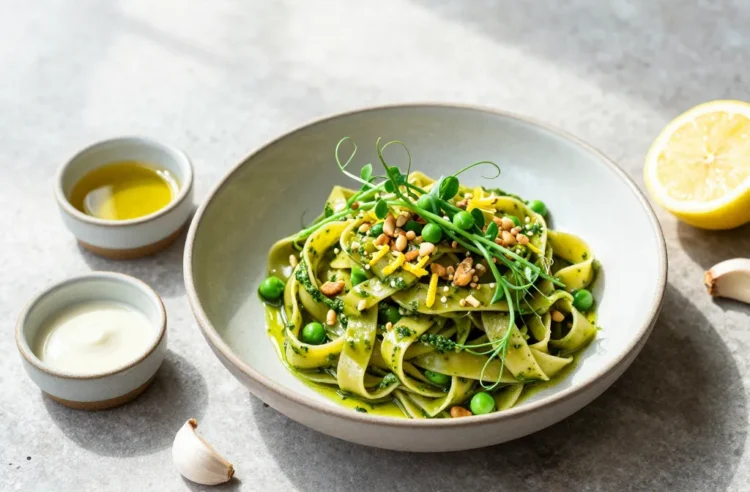
Spring hits, the farmers’ market pops off, and suddenly you’ve got bags of tender pea shoots and absolutely no plan. Enter: maple-miso pea-shoot pesto. It’s bright, it’s silky, it’s vegan, and it turns any bowl of carbs into a smug little celebration. We’re talking sweet-savory umami, citrusy zip, and a green glow that screams “I know what I’m doing” (even if you totally winged it).
Why pea shoots and miso make magic
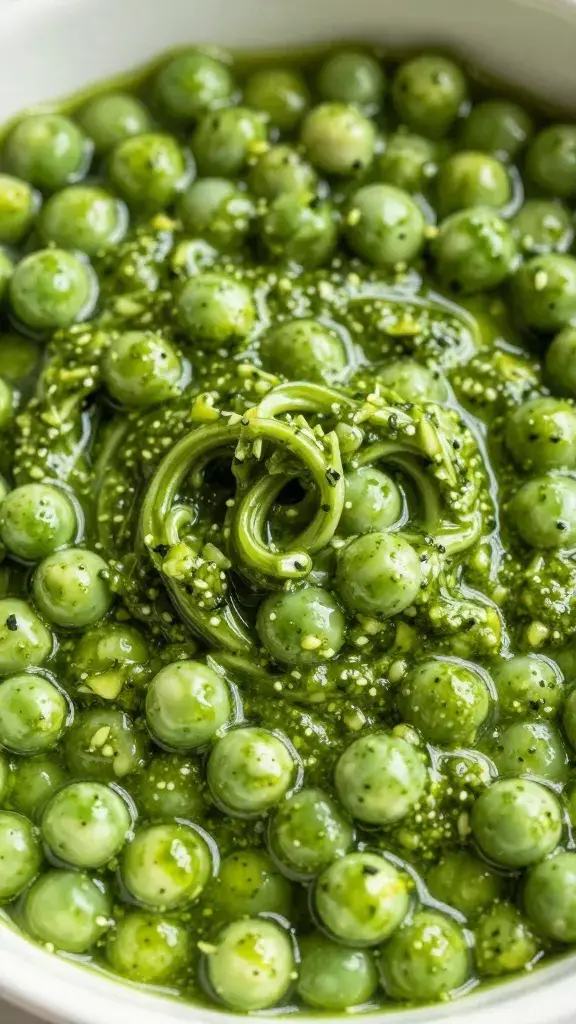
Pea shoots taste like spring in 4K—fresh, grassy, a little sweet. They blitz into a pesto that feels lighter than your classic basil version, but still tastes rich. That’s where miso slides in.
Miso brings the umami thunder. White or yellow miso adds depth without dairy, so your pesto doesn’t rely on cheese to taste satisfying. Add a bit of maple syrup for balance and boom: you’ve got a sauce that hits salty, sweet, tangy, and herby in one spoonful.
Flavor snapshot
- Pea shoots: delicate, green, slightly sweet
- Miso: savory backbone, cheesy-adjacent complexity
- Maple syrup: mellow sweetness, smooth finish
- Lemon: brightness, necessary acidity
- Garlic: aromatic, a little heat when raw
- Olive oil: velvety texture, fruity richness
The quick recipe (aka your weeknight hero)
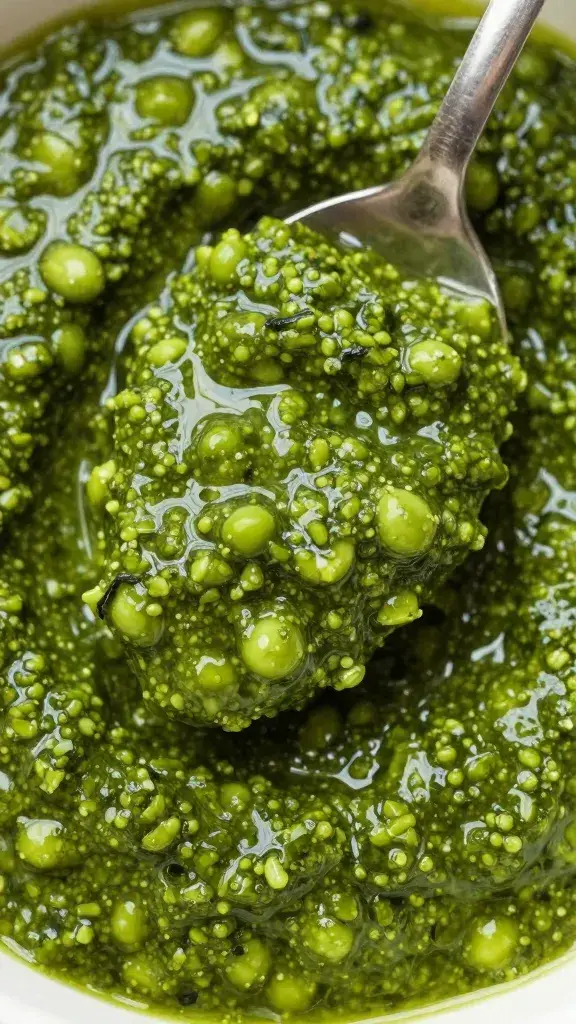
This pesto comes together in 10 minutes, tops. You can blend it while your pasta boils. IMO, that’s the benchmark for weeknight greatness.
What you’ll need
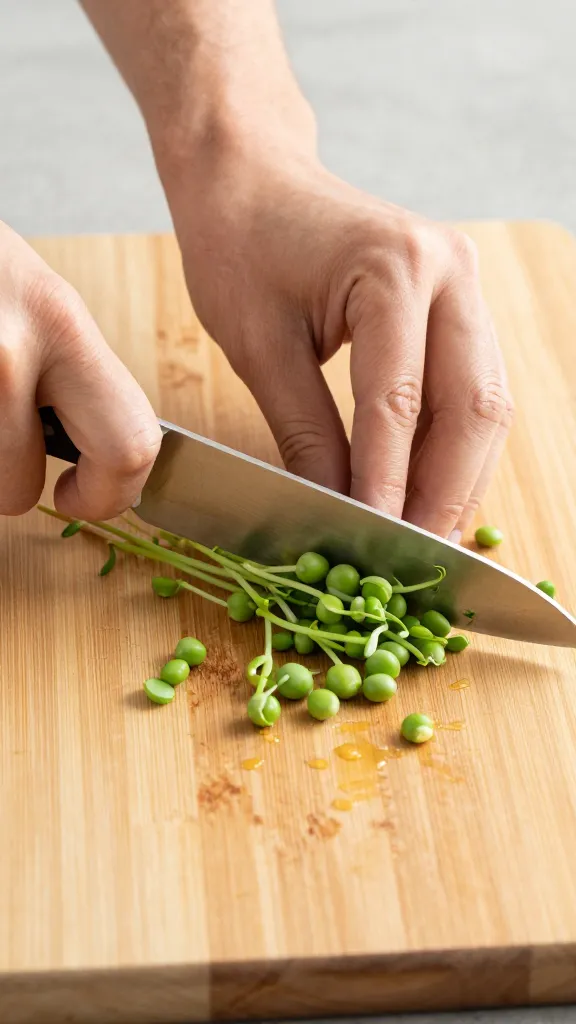
- 4 packed cups pea shoots (tendrils and leaves; tough stems removed)
- 1 cup fresh herbs: basil, mint, or a mix
- 2 tablespoons white or yellow miso
- 1–2 tablespoons pure maple syrup (start with 1, add more to taste)
- 1–2 cloves garlic, roughly chopped
- Zest and juice of 1 lemon
- 1/4 cup toasted nuts or seeds (walnuts, almonds, pistachios, or pumpkin seeds)
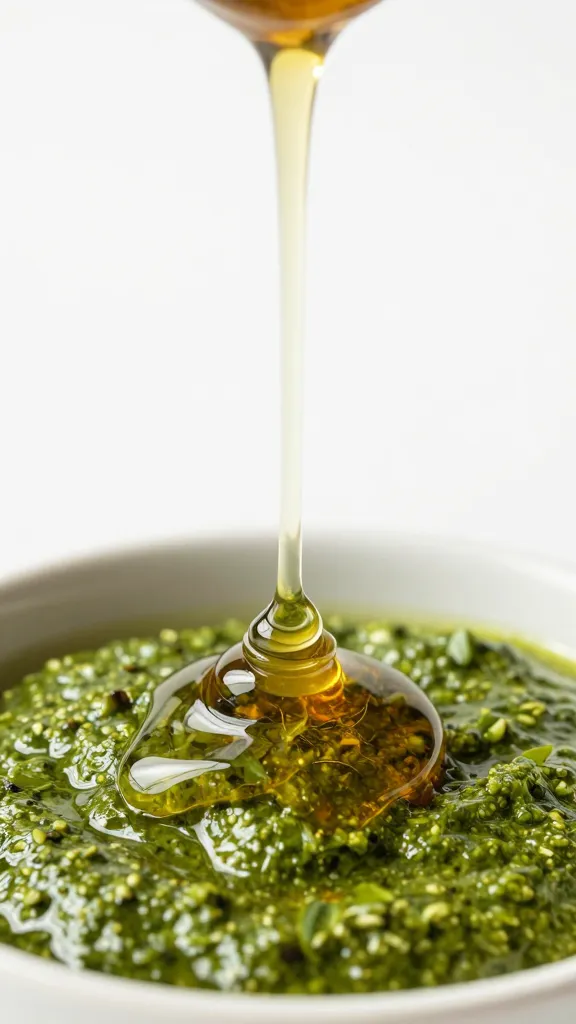
- 1/2 cup extra-virgin olive oil, plus more as needed
- Salt and pepper to taste
How to make it
- Add pea shoots, herbs, miso, maple, garlic, lemon zest and juice, and nuts/seeds to a food processor.
- Pulse until chopped, then stream in olive oil while running the machine until creamy.
- Taste and adjust: add salt/pepper, more lemon for brightness, or a splash of water to loosen.
Pro tip: Reserve a mug of starchy pasta water. It turns your pesto from “nice” to “glossy restaurant finish.”
Pasta pairings that absolutely slap
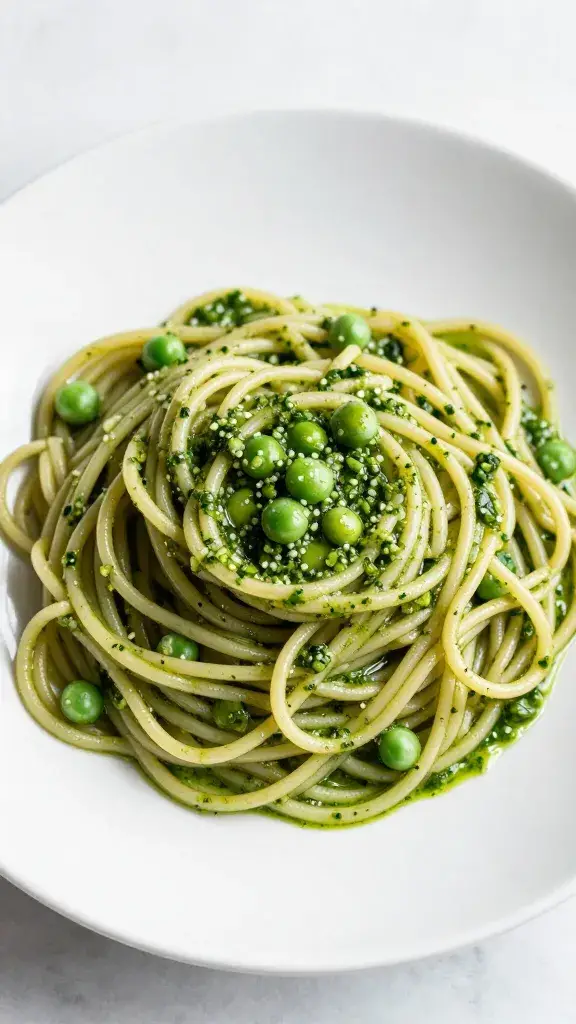
Which pasta shape? Short answer: the one you already have. Long answer: choose shapes that catch sauce like champs.
Best shapes for cling factor
- Orecchiette: little sauce scoops—adorable and effective
- Fusilli or rotini: spirals = maximum pesto grip
- Bucatini: chewy, hollow, and dramatic (live a little)
- Rigatoni: structured and sturdy, great for add-ins
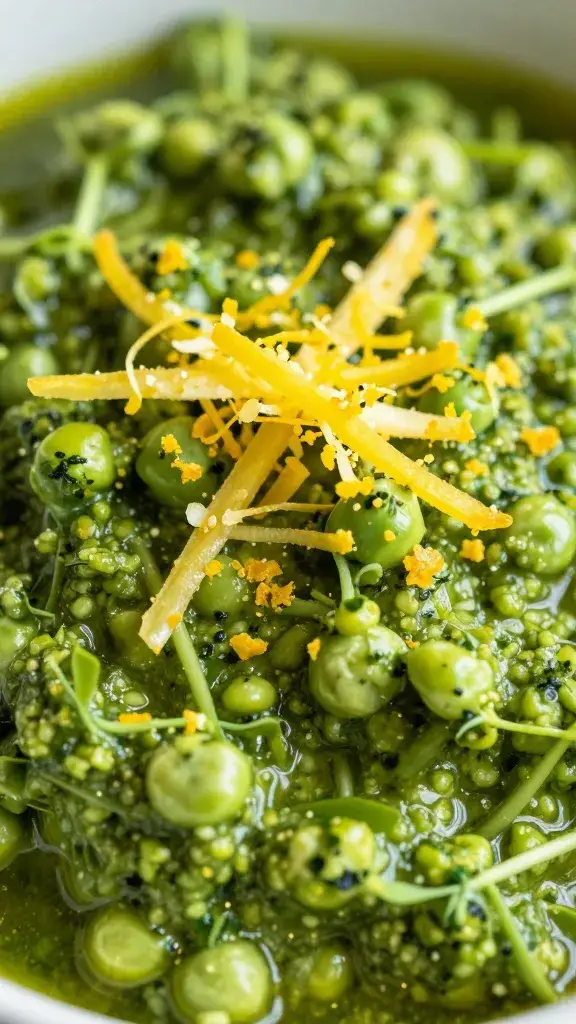
Cook pasta al dente, toss with pesto off the heat, and loosen with a splash of pasta water. Finish with extra lemon zest and black pepper. If you want a bit of heat, add red pepper flakes. If you want to flex, top with toasted breadcrumbs for crunch.
Customize it: Make it yours
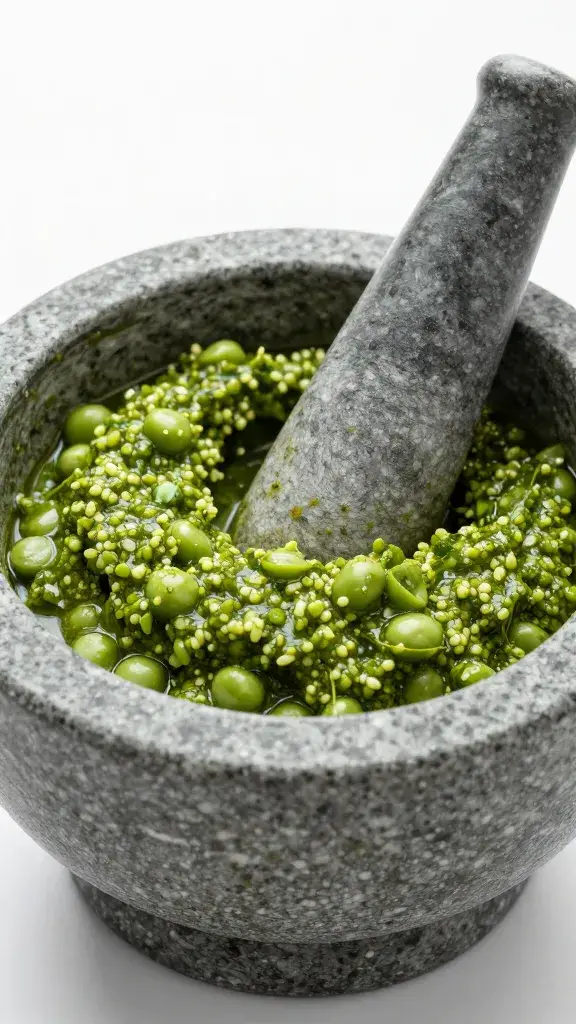
I get it—pesto is a canvas. You want options. Here’s how to tweak it without breaking the vibe.
Herbs and greens
- No pea shoots? Use baby spinach, arugula, or a mix of basil and parsley.
- Love mint? Add a big handful—it makes the sauce taste like a cool breeze.
- Want more body? Toss in a small handful of blanched peas for creaminess and sweetness.
Nuts and seeds
- Walnuts: classic, a little tannic bite
- Pistachios: luxe, sweet-green notes
- Pumpkin seeds: nut-free, toasty, budget-friendly
- Almonds: clean and crunchy
Umami upgrades
- Add a teaspoon of nutritional yeast for a cheesy vibe.
- Splash in a tiny bit of rice vinegar if you want extra tang.
- Swap maple for agave if that’s what’s in your pantry (FYI, maple tastes rounder).
Texture and balance: The art of not overblending
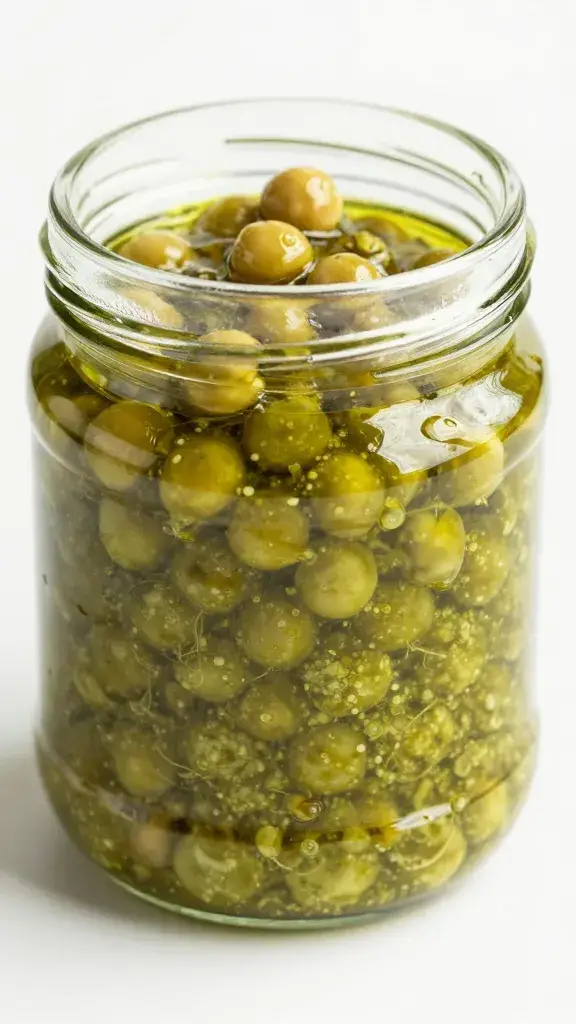
You want a sauce that clings and glows, not baby food. Overblending can turn your greens bitter or overly smooth.
How to nail the texture:
- Pulse the greens first to keep some texture.
- Stream in oil gradually until the sauce loosens and shines.
- If it tastes flat, add acid (lemon). If it tastes harsh, add sweetness (maple). If it tastes muddy, add salt or another 1/2 teaspoon miso.
Salt math, simplified
Miso brings salt. So taste before you add more. Your pasta water also has salt, so assemble everything, then season at the end. Otherwise, you’ll accidentally create a briny sea and we don’t need that energy.
What to serve with it (besides pasta)
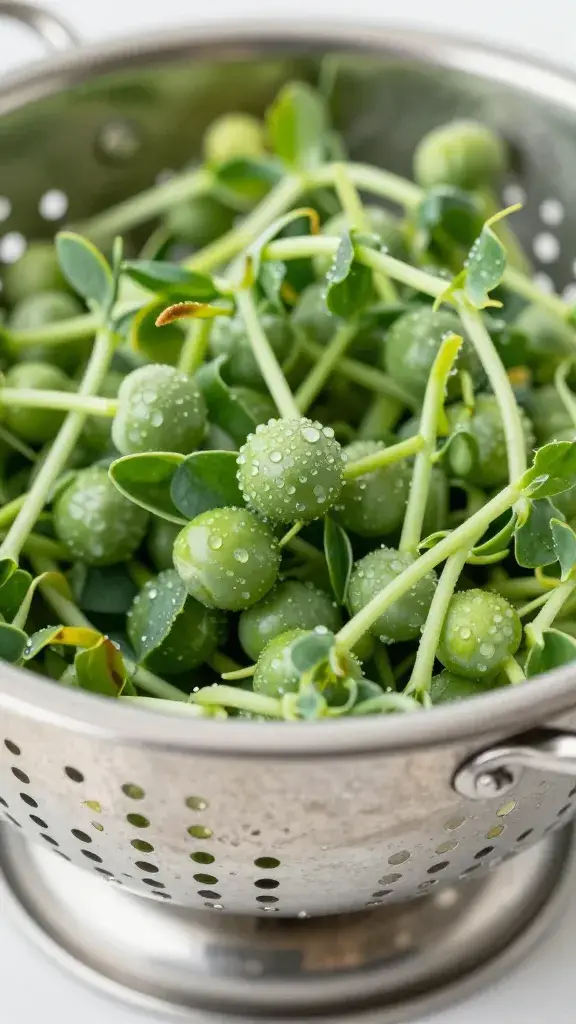
This pesto moonlights as a multi-purpose spring sauce. Low effort, high payoff.
- Grain bowls: spoon over farro or quinoa with roasted asparagus and chickpeas.
- Toast: smear on crusty bread, top with radishes and olive oil.
- Salad dressing: whisk with more lemon juice and a splash of water.
- Veg dip: fold into coconut yogurt or silken tofu for creamy vibes.
- Roasted potatoes: toss with warm spuds and call it a side dish win.
Meal prep, storage, and freezing
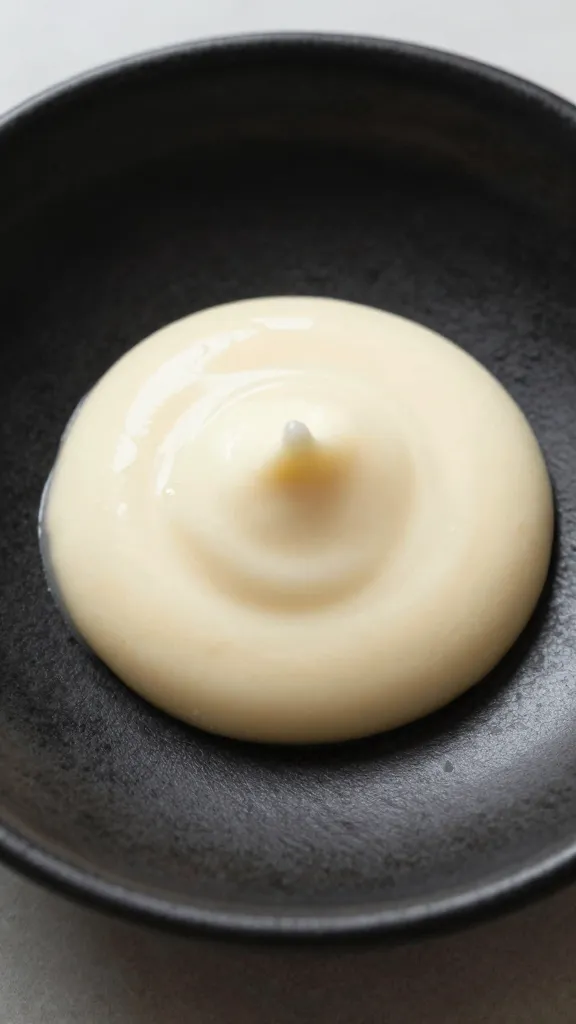
Pesto keeps well if you give it a little TLC. Air and time dull the color, so think protective measures.
- Fridge: store in a jar with a thin layer of olive oil on top, 4–5 days.
- Freezer: portion into ice cube trays, then transfer to a bag—good for 2–3 months.
- Thawing: let it sit in the fridge overnight, then re-emulsify with a splash of warm water or oil.
Reheating? Not really
Don’t simmer pesto. Heat dulls the herbs and can turn garlic harsh. Instead, warm your pasta, then fold in the pesto off heat. Let the residual heat do the work. IMO, this small step makes a huge difference.
FAQ
Can I make this without a food processor?
Yes. Use a blender and stop to scrape often, or go rustic with a mortar and pestle. The latter gives great texture and bragging rights. You’ll just need a little extra patience and maybe a podcast.
Which miso should I use?
White (shiro) miso tastes mild and slightly sweet—perfect for springy flavors. Yellow (shinshu) works too if you want a bit more depth. Avoid red miso here; it’s strong and can bulldoze the delicate pea shoots.
Is it sweet from the maple?
Barely. The maple rounds out the edges and balances the lemon and miso. Start with 1 tablespoon, taste, and add more if your greens run peppery or your lemon swings tart.
Can I make it nut-free?
Absolutely. Use pumpkin or sunflower seeds. Toast them first for better flavor. The result stays creamy and satisfying without any allergens sneaking in.
What proteins pair well with this sauce?
Chickpeas, grilled tofu, white beans, or crispy tempeh all play nicely. Toss them with the hot pasta and pesto so everything gets coated. If you eat vegan sausages, slice and pan-sear for extra oomph.
How do I keep the color bright green?
Work quickly, use fresh greens, and add lemon for acidity. Store with a slick of oil on top to block air. If you’re extra, blanch the pea shoots for 10 seconds and shock in ice water before blending—this locks in color, though it’s optional.
Final thoughts
Maple-miso pea-shoot pesto feels like catching the first warm breeze of spring in a bowl. It’s fast, it’s flexible, and it tastes way fancier than the effort suggests. Whirl it up, toss with hot pasta, hit it with lemon zest, and pretend you’ve got a garden. FYI: leftovers make you look organized, even if you’re absolutely not.