
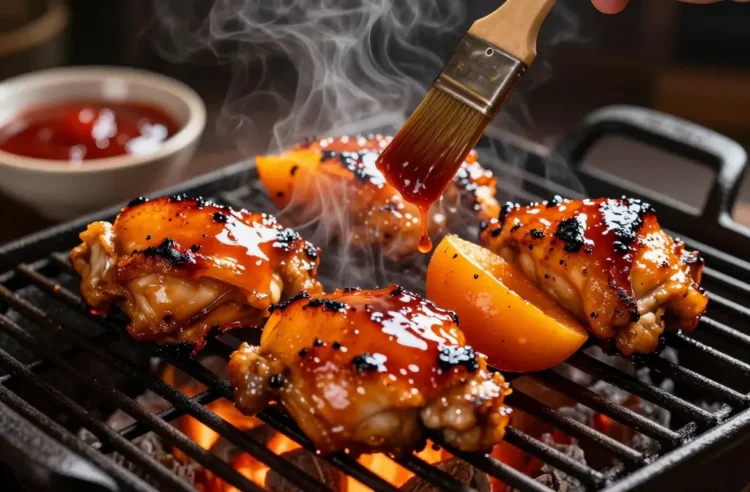
Sweet, sticky, and just the right amount of spicy—this glaze doesn’t tiptoe. It smacks your tastebuds with apricot sunshine, then rides out on a savory Korean gochujang kick. You’ll want to put it on everything you grill, and honestly, a few things you probably shouldn’t. Ready to upgrade your BBQ game with minimal effort and maximum bragging rights?
Why Gochujang + Apricot Just Works
Gochujang brings deep, savory heat with a hint of funk—think chili paste meets umami bomb. Apricot, on the flip side, hits back with bright, jammy sweetness and gentle tartness. Together? They balance like a perfect duet: sweet up front, warm on the finish, and sticky enough to lacquer your food like a pro.
You get layers, not just heat. The apricot softens the spice, and the gochujang stops the glaze from tasting like dessert. That sweet-heat combo also helps with browning and caramelization on the grill. Translation: glossy, char-kissed edges you’ll keep “sampling” while pretending to check for doneness.
The Core Ingredients (And What They Do)
You only need pantry heroes and one spicy MVP. Here’s the short list:
- Gochujang: The spicy-sweet chile paste that anchors everything. Choose a brand with medium heat if you’re glaze-curious.
- Apricot preserves or jam: This provides body, shine, and sweetness. No need for fancy—regular store-bought works great.
- Rice vinegar: Adds tang to balance the sticky sweetness.
- Soy sauce: Umami depth and salt. Use tamari if you’re gluten-free.
- Honey or brown sugar: For extra gloss and caramelization. Honey gives better lacquer; brown sugar adds molasses notes.
- Garlic + ginger: Fresh beats dried, but do you. They add bite and complexity.
- Toasted sesame oil: A small drizzle = big aroma. Don’t skip it.
- Optional boosters: Orange zest, a splash of bourbon, or a pinch of red pepper flakes for extra kick.
Pro Tip: Thickness Matters
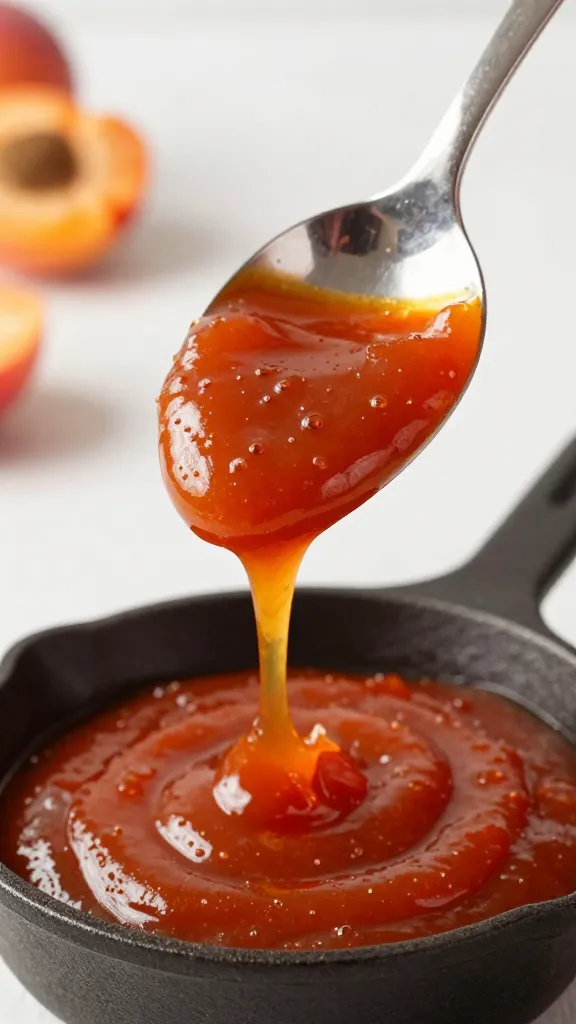
Glazes should cling, not drip. You want a spoon-coating consistency—think warm jam. If it runs like water, simmer longer. If it’s cement, loosen with a splash of water or orange juice. Easy.
How to Make the Sweet-Heat Grill Glaze
This isn’t a science fair. It’s a stir-and-simmer situation.
- In a small saucepan, combine:
- 1/3 cup gochujang
- 1/2 cup apricot preserves
- 2 tablespoons soy sauce
- 1 tablespoon rice vinegar
- 1 tablespoon honey (or 2 if you like extra gloss)
- 1 teaspoon grated fresh ginger
- 1 small garlic clove, minced
- Simmer over low heat for 4–6 minutes, stirring, until glossy and slightly thickened.
- Finish with 1 teaspoon toasted sesame oil. Taste. Adjust with vinegar for brightness or honey for sweetness.
FYI: This makes enough for about 2 pounds of protein. Double it if you’re feeding a crowd or you just like dipping everything in sight.
Make-Ahead and Storage
Cool and store in a jar for up to a week in the fridge. It thickens as it chills, so thin with water or citrus juice before using. The flavor deepens on day two—IMO, it’s even better.
What to Glaze (Spoiler: Almost Everything)
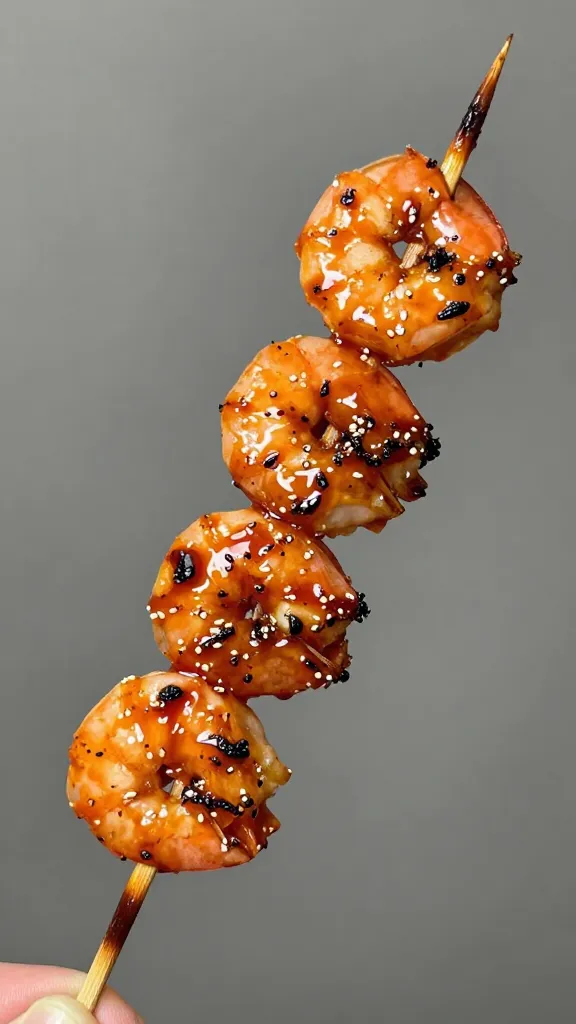
This glaze doesn’t play favorites, but some pairings absolutely slap.
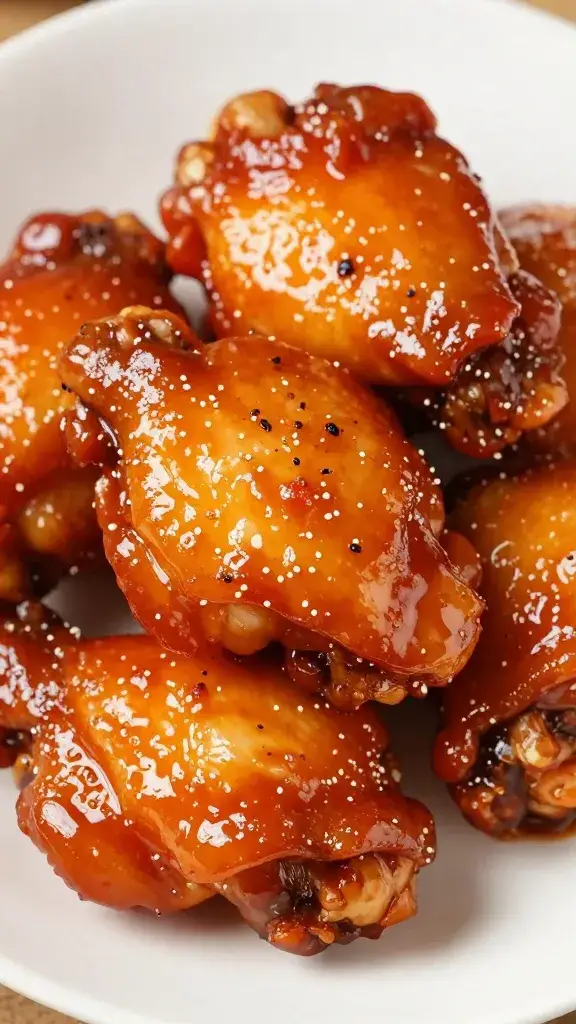
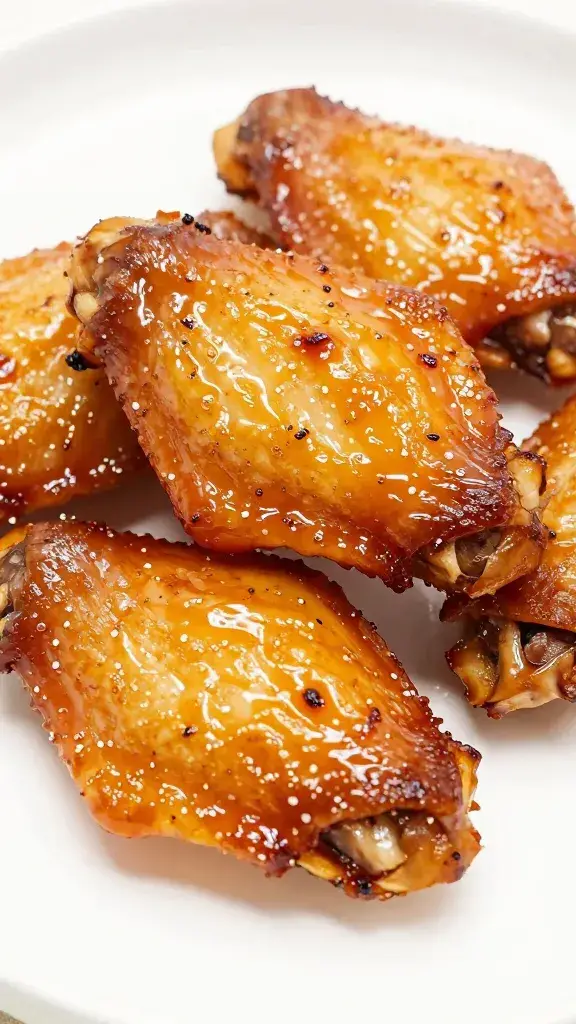
- Chicken: Thighs and wings love it. Bone-in pieces handle the heat and caramelization like champs.
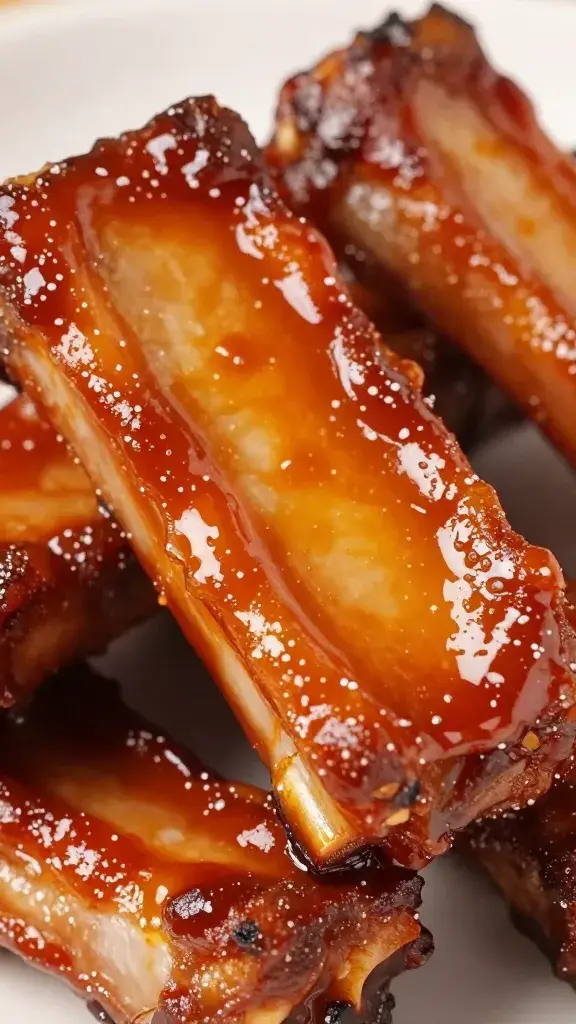
- Pork: Pork chops, tenderloin, or ribs. The apricot sings with pork’s sweetness.
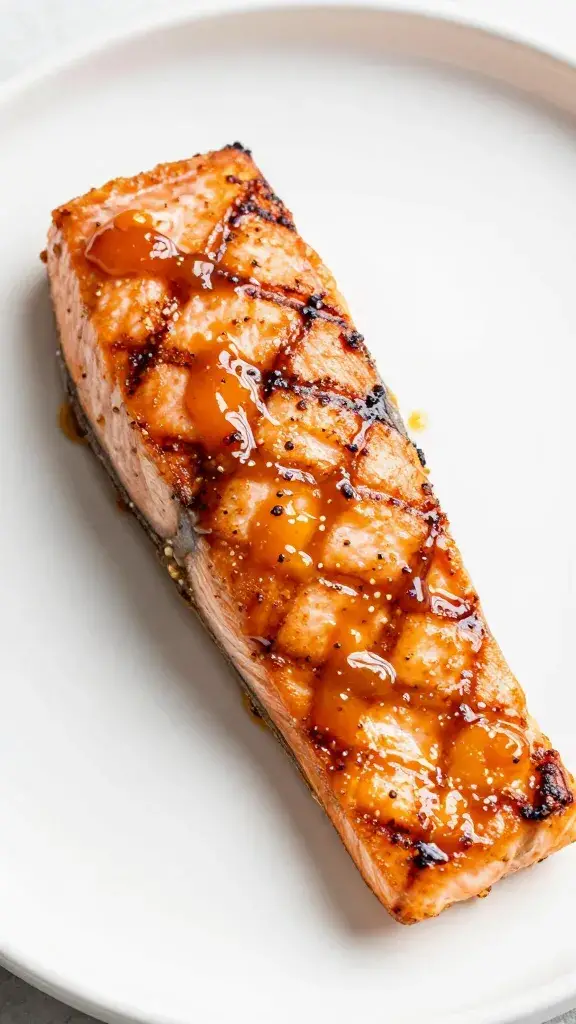
- Salmon: Brush on in the last few minutes. You’ll get shiny, sticky perfection without overcooking.
- Shrimp: Quick-sear on skewers, then hit with glaze at the end. Two minutes, tops.
- Tofu or tempeh: Press, sear, glaze. It turns into a weeknight hero.
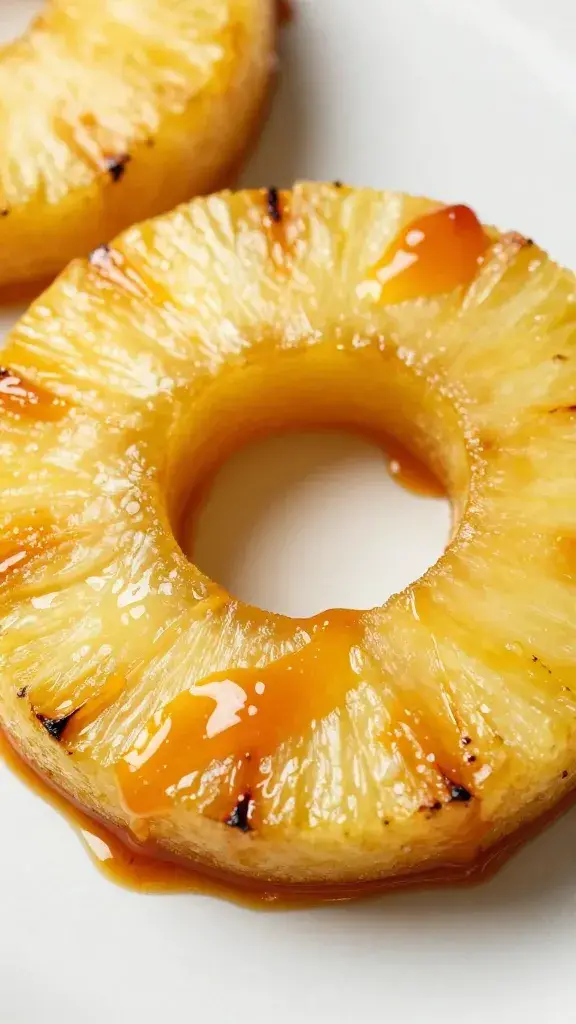
- Veggies: Cauliflower steaks, eggplant, mushrooms, or grilled peaches if you’re feeling wild.
Timing Is Everything
Brush it on during the last 5–8 minutes of grilling. Sugar burns if you go too early. Build layers with 2–3 thin coats, flipping and brushing as you go. Finish with one last swipe off-heat for extra shine.
Texture and Technique: Get That Lacquer
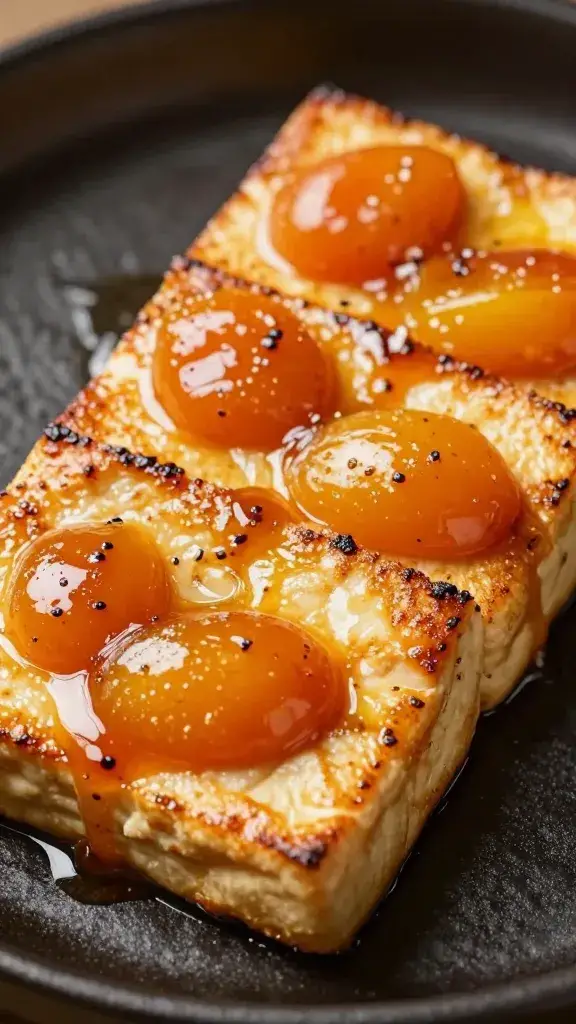
Let’s talk strategy, because application beats ingredients if you want that restaurant look.
- Dry your protein well. Pat with paper towels so the glaze adheres instead of steaming off.
- Salt first, sauce later. Season the meat, cook most of the way, then glaze near the end.
- Use medium heat. High heat scorches sugar. Aim for 375–425°F, indirect if your grill runs hot.
- Thin coats. Thick slathers slide off and burn. Build layers for a candy-like finish.
- Rest after cooking. Two to five minutes so the glaze sets. Yes, you can stare at it lovingly.
Batching for Parties
Grill or roast proteins plain, hold warm, then glaze and kiss with heat right before serving. You’ll avoid the dreaded “sauce turned to charcoal” issue and still serve showstoppers.
Flavor Twists If You Want to Flex
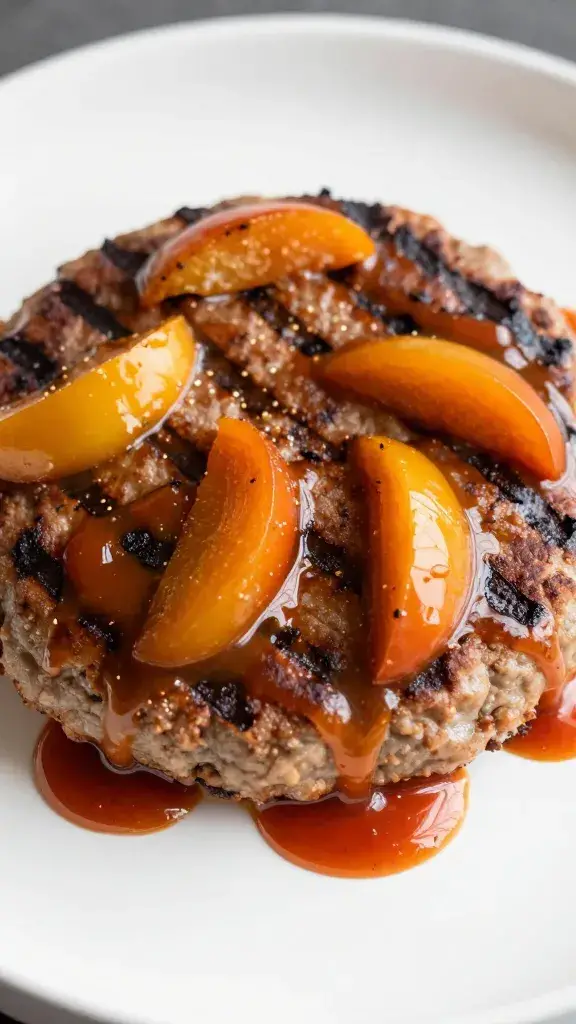
Once you nail the base, tweak freely. You’re the boss of your glaze universe.
- Citrus pop: Add orange zest and a squeeze of juice for brightness.
- Smoky edge: Stir in a teaspoon of gochugaru or smoked paprika.
- Bourbon vibes: Splash in 1 tablespoon bourbon, simmer 2 extra minutes.
- Extra heat: Chili crisp on top at serving = crunchy fire confetti.
- Herb finish: Chopped cilantro, scallions, or Thai basil for a fresh lift.
Serving Ideas That Go Beyond the Grill
– Toss with crispy oven wings and sesame seeds.
– Drizzle over grain bowls with charred broccoli and pickled cukes.
– Use as a dip for sweet potato fries (don’t knock it).
– Brush on roasted carrots or squash—sweet on sweet works here.
Common Mistakes (So You Don’t Make Them)
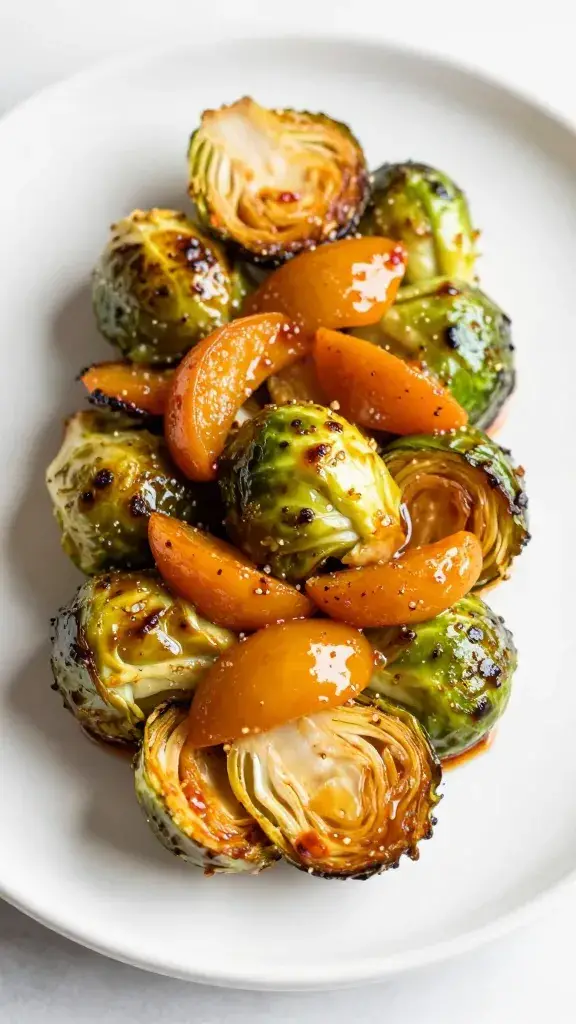
Learn from collective chaos. Here’s what trips people up:
- Glazing too early: The sugars burn. Wait until the last stretch of cooking.
- Skipping acid: No vinegar = flat, cloying glaze. You want sparkle, not syrup overload.
- Over-thick glaze: It clumps and burns. Thin with water or juice until it flows.
- Raw garlic overload: Too much scorches and turns bitter. Keep it measured.
- No resting time: Let it set for that Instagram sheen, please and thank you.
FAQs
How spicy is this glaze, really?
Medium, with a warm finish. Gochujang isn’t a face-melter; it’s more savory and gently hot. If you’re heat-shy, start with less gochujang and add more honey. If you’re heat-happy, a pinch of red pepper flakes or gochugaru turns it up nicely.
Can I use a different fruit instead of apricot?
Absolutely. Peach, mango, or pineapple jam all work. Apricot stays my pick because it’s tart and not too perfumey, but use what you’ve got. IMO, peach comes in a very close second.
Will this work in the oven, not just the grill?
Yes. Roast your protein until almost done, then brush on glaze and return to the oven on high heat (or broil briefly) to set the lacquer. Watch closely—sugar goes from caramelized to charred faster than you think.
Is gochujang gluten-free?
Some brands are, some aren’t. Check the label. If you need gluten-free, grab a certified GF gochujang and use tamari instead of soy sauce. Easy swap, same big flavor.
Can I marinate with this glaze?
Use part of it as a marinade only if you thin it with water or citrus and skip the honey. The high sugar content in the full glaze can burn during longer cooks. Better move: marinate lightly with soy, ginger, and a little gochujang, then glaze at the end.
How do I keep it from sticking to the grill?
Clean, preheated grates and lightly oiled protein. Glaze late, not early. If you still get stickage, nudge gently with a thin spatula—food releases when it’s properly seared.
Final Thoughts
This Korean Gochujang Apricot glaze brings big flavor with minimal fuss—sweet, savory, sticky, and just spicy enough to keep things interesting. Use it to rescue boring weeknights, impress friends at a cookout, or power-snack over the sink (no judgment). Make a jar, stash it in the fridge, and consider yourself armed for greatness—FYI, you’re about to be “that person with the amazing glaze,” and you earned it.