
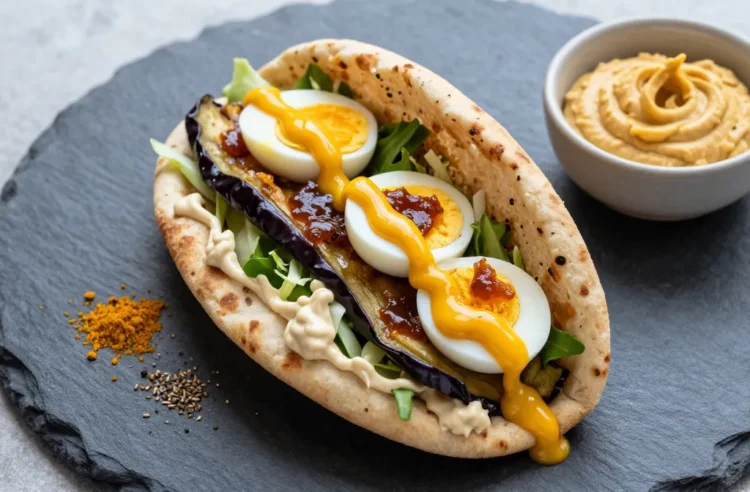
You bite into a sabich, and boom—there it is. That bold, tangy kick that wakes up the eggplant, eggs, and pita like a slap on the back from a friend who talks too loud. That’s amba: the pickled mango sauce that doesn’t ask for permission, it just shows up and makes everything better. If you’ve never had it, you’re missing the plot. If you have, you already know why it deserves a spot in your fridge, right next to the ketchup it’s going to bully.
So… what exactly is amba?
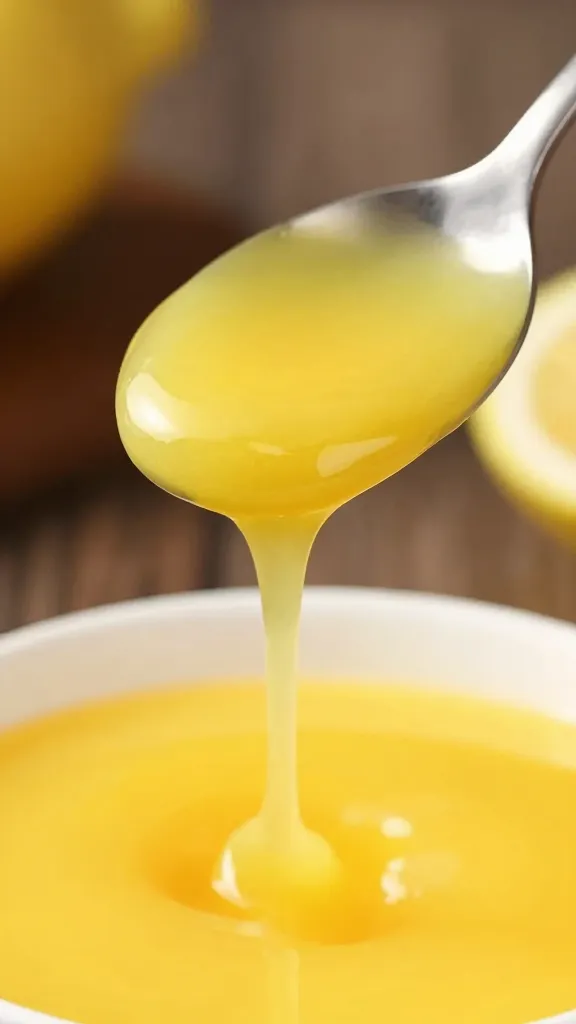
Amba is a tangy, spiced, pickled mango sauce with roots in the Iraqi Jewish community, which brought it to Israel where it became best friends with sabich. Think of it as mango chutney’s louder, zestier cousin who prefers street food over high tea.
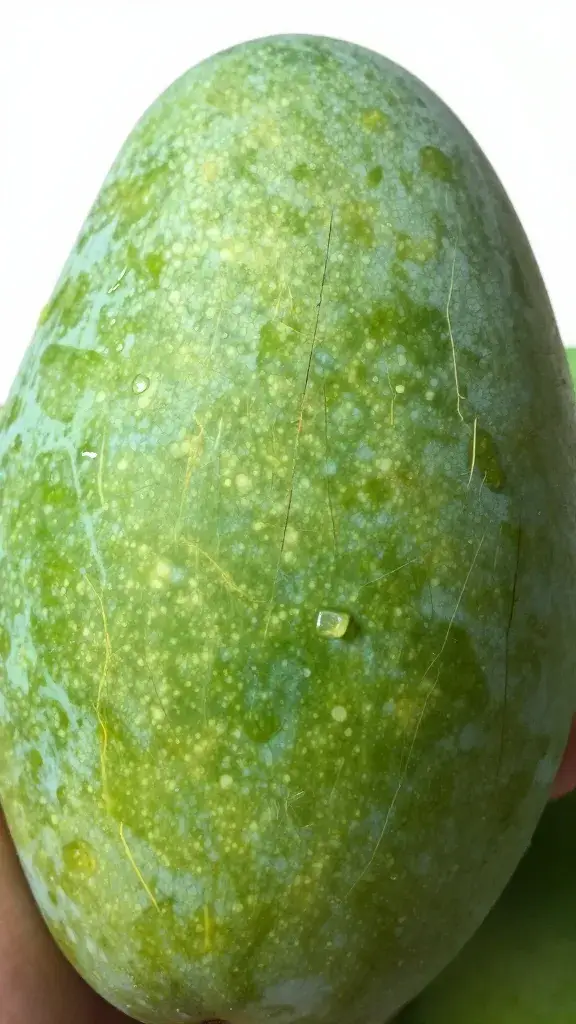
At its core, amba blends green (unripe) mangoes with vinegar, salt, and a punchy spice mix—usually fenugreek, turmeric, cumin, and chili. It’s bright yellow-orange, a little funky (in the best fermented way), and delivers sour, spicy, and savory all at once. It’s not subtle. And that’s the point.
Why sabich and amba are a power couple
Sabich is a dreamy pita stuffed with fried eggplant, hard-boiled eggs, tahini, salad, and sometimes potatoes. It’s rich and creamy and deeply comforting. And then you add amba, and everything snaps into focus.
– Acid cuts richness: Amba’s sourness slices through fried eggplant and tahini like a pro.
– Spice meets mellow: The egg and potato need a zingy co-star. Enter amba.
– Aromatic finish: Fenugreek and cumin bring a savory depth that lingers.
In short, amba makes sabich sing. Without it, sabich feels like a playlist stuck on low volume.
A quick origin story (with a lot of mileage)
Amba likely evolved from South Asian mango pickles, traveled through Iraqi kitchens, and landed in Israel with Baghdad’s Jewish community in the 20th century. There, it became a street food essential—you’ll see squeeze bottles of amba beside shawarma, falafel, and sabich stands, ready for action.
Do some people squirt it on everything? Yes. Should you? IMO, also yes.
Flavor breakdown: what your taste buds can expect
Amba isn’t just sour. It’s layered and complex. Here’s the play-by-play:
- Sour from vinegar and fermented mango
- Sweet-fruity from the mango itself (still green, but not shy)
- Earthy-bitter from fenugreek (that signature “amba” note)
- Warm spice from cumin, mustard seed, and turmeric
- Heat from chili, which can range from gentle to “oops”
- Umami-funk from the fermentation or long maceration
If you smell curry vibes, you’re not wrong. But amba doesn’t taste like curry sauce—it’s sharper, lighter, and made for drizzling.
How to use amba (beyond sabich, because you’ll want to)
Sabich and amba were made for each other, but don’t stop there. Amba shines wherever you need zest and attitude.
Everyday drizzles
- Shawarma and falafel: A classic move. It ties everything together.
- Roasted veggies: Cauliflower, carrots, sweet potato—yes please.
- Eggs: Scrambled, hard-boiled, omelets—amba plays nice with all.
- Grilled fish or shrimp: The acid and spice balance the char perfectly.
- Salad dressing booster: Whisk with olive oil and lemon for a wild vinaigrette.
Fun pairings you didn’t see coming
- Amba + yogurt: Swirl into labneh or Greek yogurt for a cooling dip.
- Amba + tahini: Two Middle Eastern icons = one elite sauce situation.
- Amba + mayo: For sandwiches, fries, or your inner sauce goblin.
DIY amba at home: easy mode
Short on time? You can whip up a fast version. Want the full soulful experience? Go the longer route. Both taste great on sabich, FYI.
Quick amba (no ferment)
You’ll need:
- 2 firm green mangoes (peeled, diced)
- 1/2 cup apple cider vinegar
- 1/2 cup water
- 2 tbsp sugar (or to taste)
- 1 1/2 tsp salt
- 1 tsp turmeric
- 1 tsp ground cumin
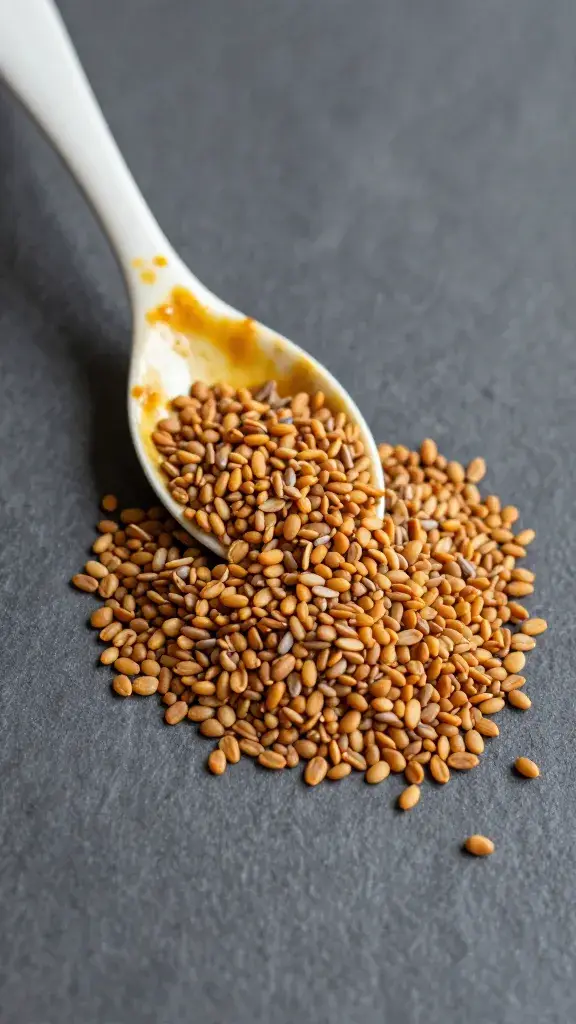
- 1/2 tsp ground fenugreek (or 1 tsp seeds, toasted and ground)
- 1/4–1/2 tsp chili flakes or fresh chili
- 1–2 cloves garlic, smashed
Steps:
- Simmer mango, vinegar, water, sugar, and salt for 10–12 minutes until soft.
- Stir in spices and garlic; cook 2–3 minutes more.
- Blend until smooth or keep it rustic. Adjust salt/sugar/acid.
- Cool and refrigerate. It thickens as it chills.
Result: Bright, punchy, and perfect for tonight’s sabich.
Fermented amba (deeper flavor)
You’ll need the same mango and spices, but skip the simmer. Instead:
- Toss diced green mango with 2–2 1/2 tsp salt and pack into a clean jar.
- Add spices and enough 3% salt brine to submerge. Weigh down.
- Ferment at room temp 3–5 days (burp daily). Taste for tang and funk.
- Blend with a splash of vinegar for brightness. Chill.
Result: More complex, slightly funky, and IMO worth the wait.
How to assemble a killer sabich (with amba mandatory)
Let’s build the dream pita. You’ve got this.
What you need
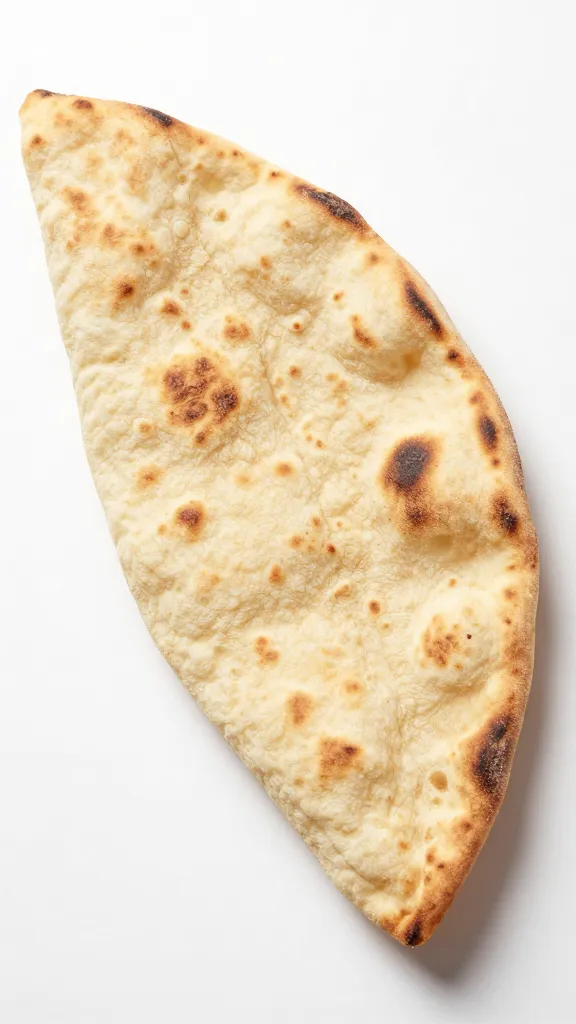
- Pita (soft and fresh)
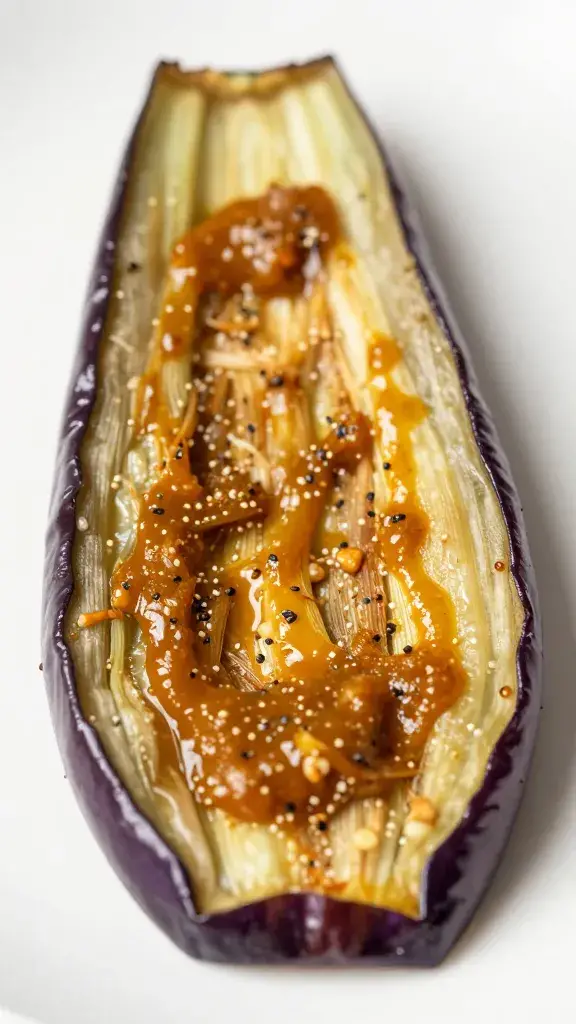
- Eggplant (fried or roasted until jammy)
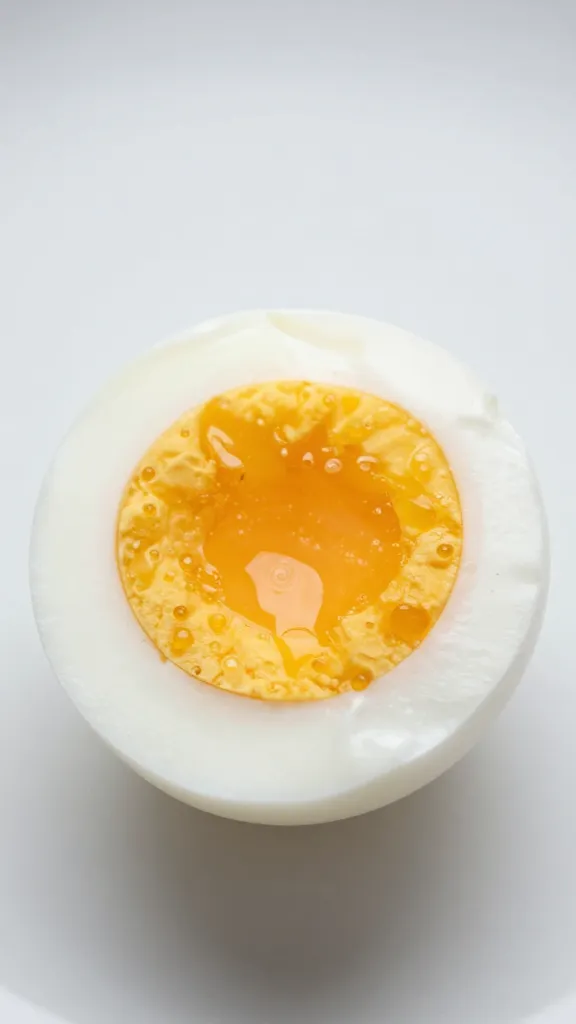
- Hard-boiled eggs (jammy yolk = chef’s kiss)
- Tahini sauce (tahini + lemon + water + salt)
- Israeli salad (diced tomato, cucumber, parsley, lemon, olive oil)
- Pickles (optional, but do it)
- Amba (generous drizzle)
Assembly game plan
- Warm the pita so it’s pliable and fluffy.
- Layer eggplant first, then eggs.
- Add salad and pickles for crunch.
- Drizzle tahini, then go big with amba on top.
- One more tiny amba zigzag, because you deserve it.
Pro tip: Add a few parsley leaves or zhoug if you like heat-on-heat chaos.
Buying amba: what to look for
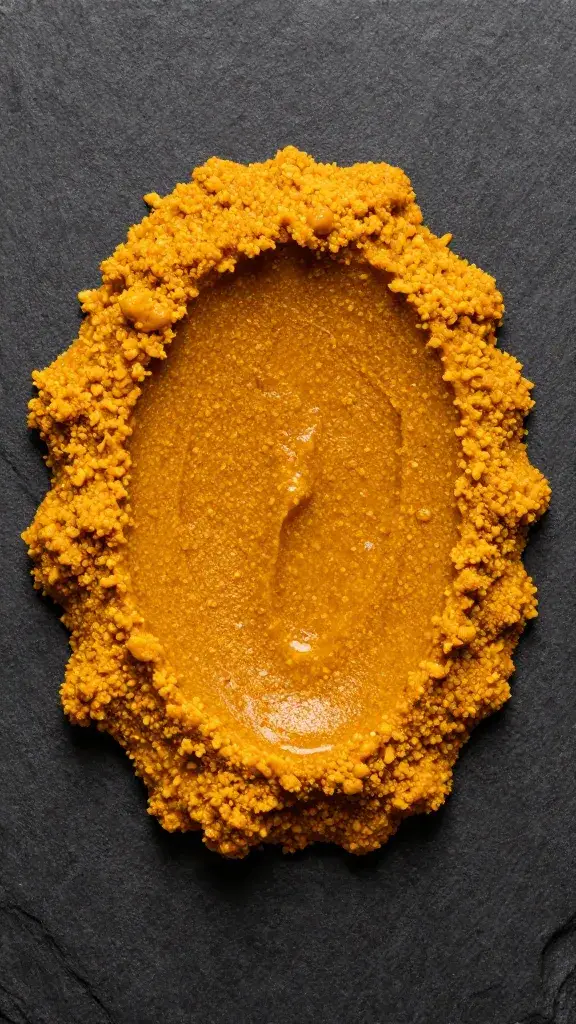
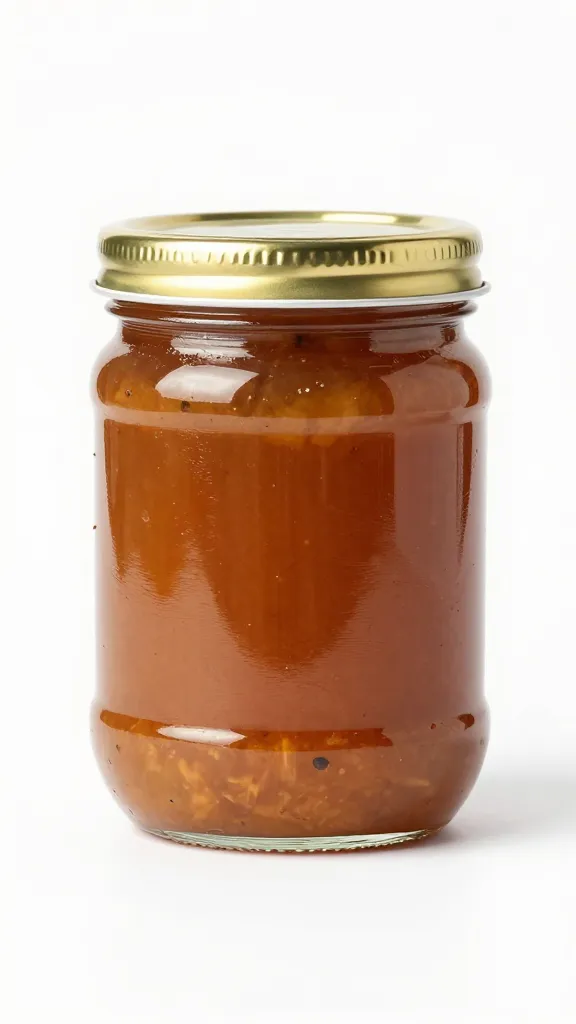
When you shop, you’ll find jars ranging from silky-smooth to more chutney-like. Both work. Scan labels for:
- Green mango high on the list
- Turmeric, fenugreek, cumin among the spices
- No weird thickeners if you prefer a cleaner texture
- Heat level: some brands run mild; others bring smoke
Shelf-stable jars last a while unopened. After opening, refrigerate and use within a few months. Spoiler: you’ll finish it sooner.
FAQ
Is amba the same as mango chutney?
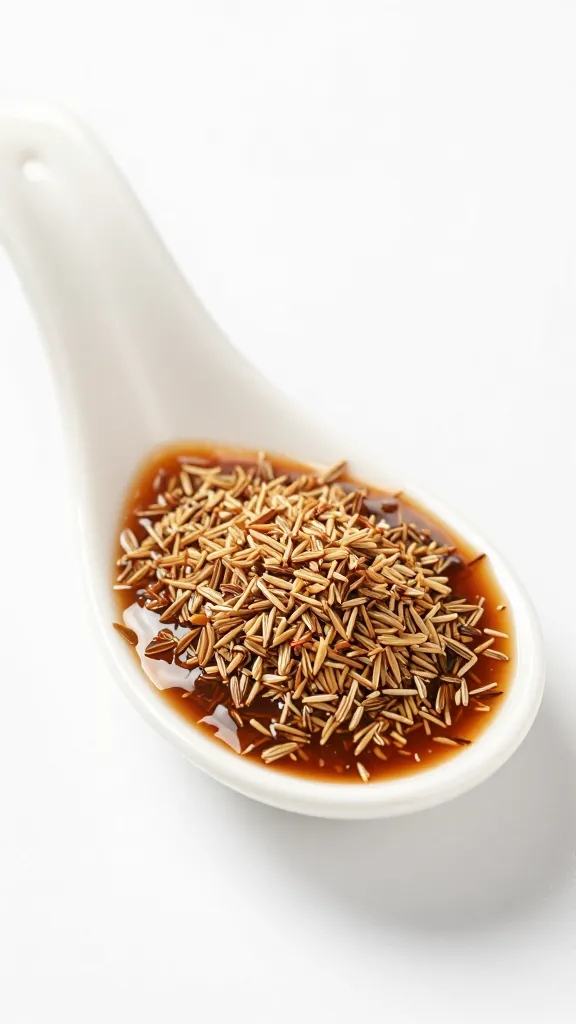
Nope. They share a mango base, but amba hits sharper and more savory. It leans on fenugreek, turmeric, and vinegar, while chutneys often taste sweeter and spicier in a different way. If chutney is a cozy sweater, amba is a neon windbreaker.
Can I make amba without fenugreek?
You can, but it won’t taste quite like classic amba. Fenugreek brings that distinctive, slightly bitter aroma. If you can’t find it, try a small pinch of curry powder plus extra cumin as a stand-in. It’s not perfect, but it’s still tasty.
How spicy is amba?
It varies. Many store-bought versions sit at “pleasant tingle,” while homemade can dial the heat up or down. If you’re heat-shy, start with less chili and add to taste.
What else can I use if I can’t find green mangoes?
Firm, underripe mangoes work fine. In a pinch, use frozen mango plus extra vinegar and a bit more salt to counter the sweetness. The texture changes slightly, but the flavor still slaps, FYI.
How long does homemade amba last?
The quick version lasts 2–3 weeks refrigerated. Fermented amba, stored cold in a clean jar, can hold for a month or more. Always use a clean spoon and trust your nose.
Can I freeze amba?
Yes. Freeze in small portions so you can thaw just what you need. The texture loosens slightly after thawing, but it still drizzles like a champ.
Final thoughts
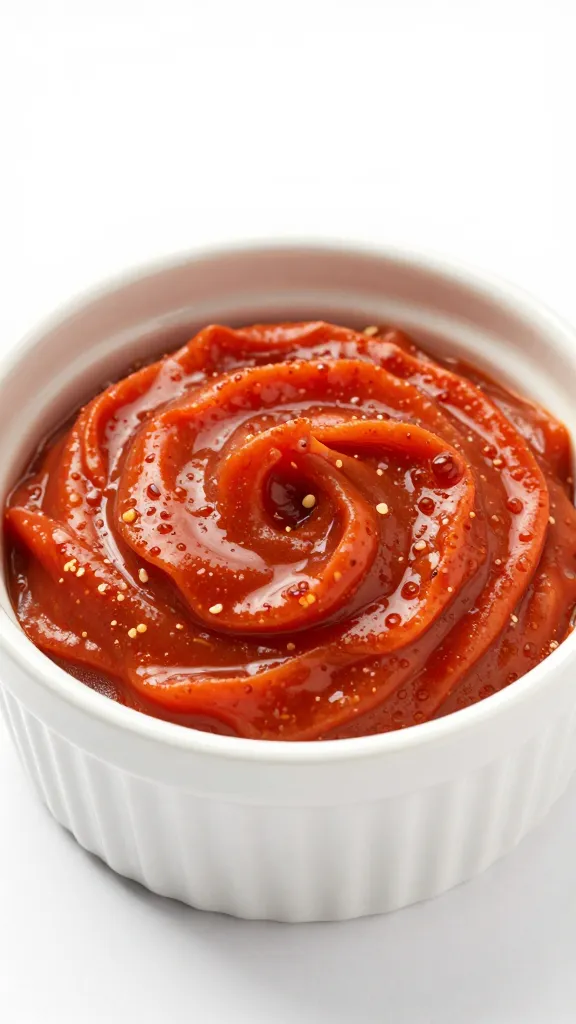
Amba brings sabich to life, full stop. It’s bright, tangy, a little wild, and exactly what rich, comforting fillings crave. Make it, buy it, drizzle it on everything that needs a wake-up call—because once you taste that first zingy hit, you’ll wonder how you ever ate sabich without it. IMO, it’s not just a sauce; it’s a personality.