
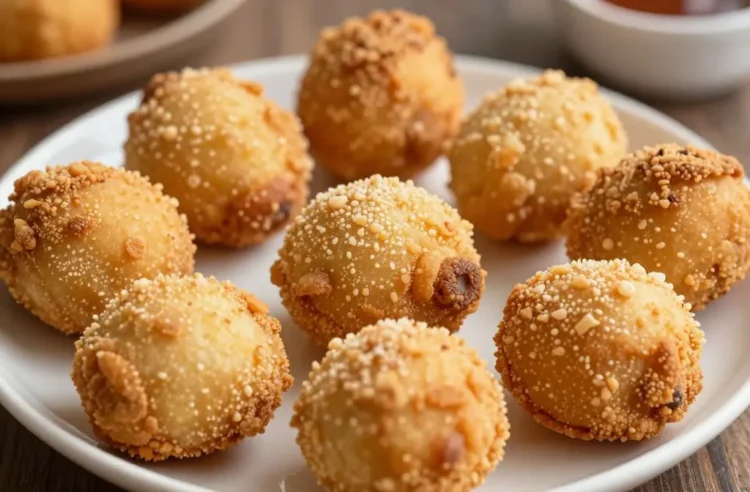
You hear that sizzle? That’s the global chorus of deep fryers turning humble dough and fruit into crispy, golden bliss. Street vendors around the world have cracked the code: hot oil + sugar = instant joy. Let’s skip the small talk and dive into 10 iconic fried desserts you can sniff out from night markets, plazas, and sidewalks across the planet. Hungry yet?
Why Fried Desserts Rule the Streets
Street food needs speed, drama, and big flavors. Frying delivers all three. You watch the batter hit the oil, bubbles erupt, and then—bam—someone dusts it with sugar. It’s snack theater with a happy ending.
What makes fried desserts perfect for street food?
- Quick to cook: Hot oil equals fast service and fresh bites.
- Portable: Paper cones, skewers, napkins—no cutlery needed.
- Affordable: Simple ingredients, big payoff.
- Universal appeal: Crispy edges + soft centers. That texture combo never fails.
1) Churros (Spain & Latin America)
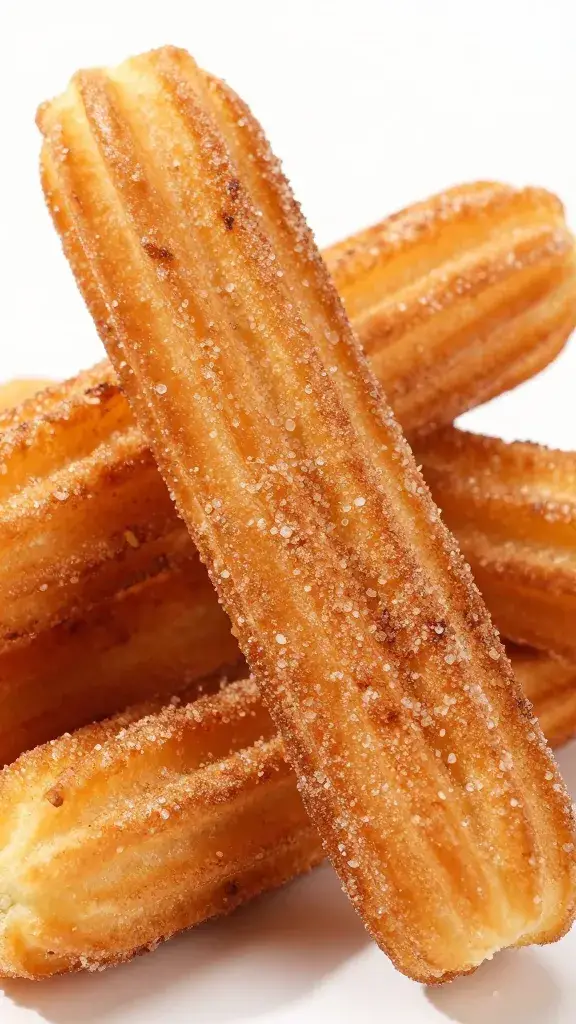
The churro is a global celebrity for a reason. Vendors pipe star-shaped dough into hot oil, fry until golden, then shower it in sugar. Dunk it in thick hot chocolate in Spain; in Mexico, go for dulce de leche or cajeta.
How to spot a great churro
- Crisp ridges that crunch, not flop.
- Soft, airy interior with a little chew.
- Freshly fried—never limp, never cold.
2) Jalebi (South Asia)
Imagine neon-orange spirals soaking in sugar syrup. Jalebi brings that sticky, tangy sweetness with a fermented batter that creates a slight sour note. Vendors fry it fast, dip it in syrup, then bag it up while it still glistens.
Pro tip
Ask for a mix of hot and cooled pieces. The hot ones drip syrup; the cooled ones snap.
3) Beignets (New Orleans, USA)
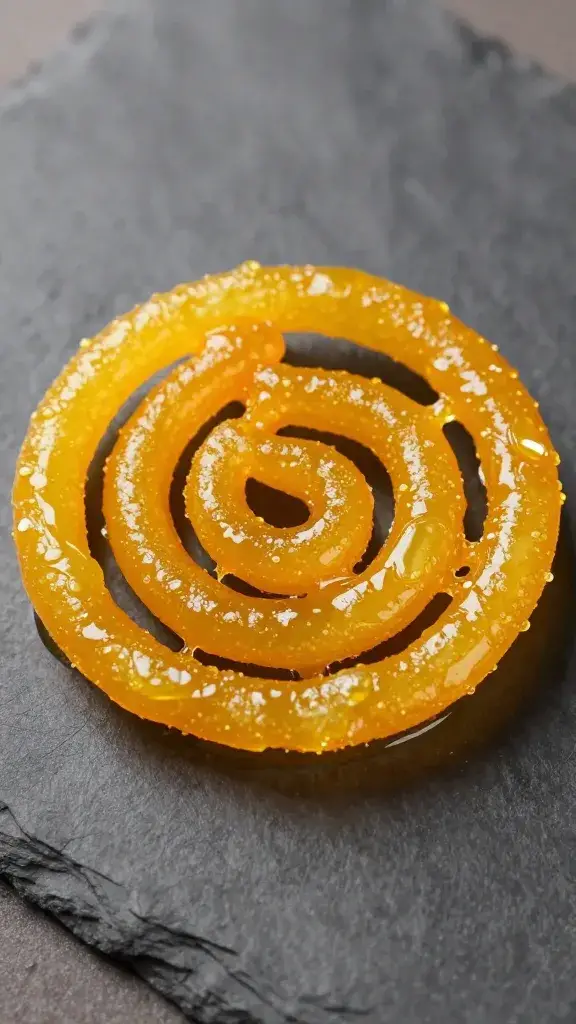
You’ll find them buried under a mountain of powdered sugar—like snow fell on a fried pillow. These square doughnuts arrive hot, airy, and impossible to eat neatly. FYI, your shirt will not survive.
What to drink with beignets
- Café au lait with chicory for the classic combo.
- Black coffee if you want the sugar to speak loudly.
4) Loukoumades (Greece) & Lokma (Turkey)
Gold, round, and glossy—these little dough balls taste like sweet air. Vendors drizzle them with honey syrup, cinnamon, and sometimes chopped walnuts. In modern markets, you might spot Nutella or pistachio cream versions, which IMO absolutely slap.
Texture 101
You want a thin, crisp shell and cloud-like centers. If they’re dense, they sat too long or the oil ran cold.
5) Malasadas (Hawaii, via Portugal)
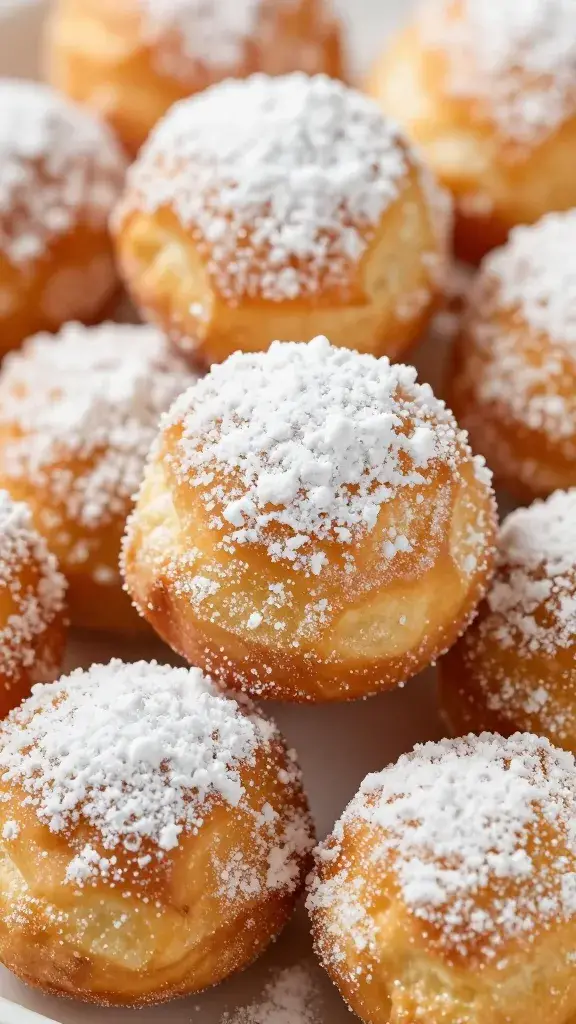
Malasadas came with Portuguese immigrants and stuck around to steal hearts. Think sugar-dusted doughnut without the hole. Fillings like haupia (coconut cream), guava, or lilikoi (passion fruit) turn them into messy, glorious hand grenades.
When to eat them
Morning. Always morning. Fryers run early, and warm malasadas beat cold ones every time.
6) Banana Cue & Turon (Philippines)
Street candied bananas? Sign me up. Banana cue coats saba bananas in caramelized brown sugar, then spears them on a stick. Turon wraps banana (and often jackfruit) in lumpia wrappers and fries to a shattering crunch.
Choosing your stick
Look for deep amber caramel—not burnt, not pale. You want that toffee vibe without bitterness.
7) Youtiao with Sweet Dips (China and beyond)
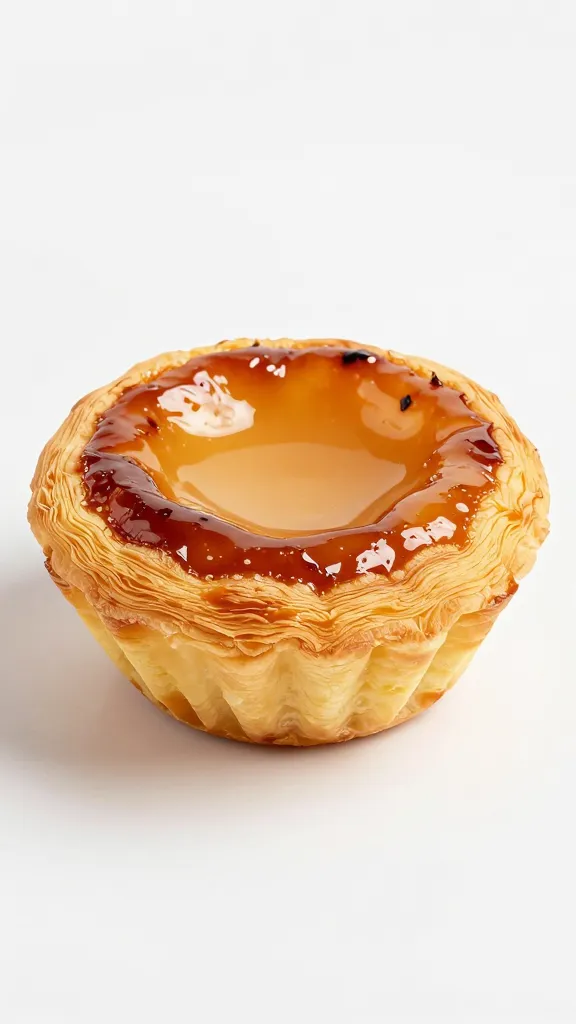
Youtiao usually plays savory sidekick to congee, but sweet tooths hack the system. Vendors fry these long crullers to airy perfection, then you dip them in sweetened condensed milk or warm soy milk. Not a “dessert” in textbooks, but street logic says otherwise.
Make it sweet
Try black sesame paste or sweetened tofu pudding as a dip. Totally legit, totally addictive.
8) Koeksisters (South Africa)
Braided, fried, and dunked in cold syrup, koeksisters bring a crunchy, sticky, cinnamon-citrus punch. The syrup infusion makes them glossy and almost glass-like on the outside.
Two styles, FYI
- Cape Malay koesisters: Spiced dough, rolled in coconut, less sugary.
- Afrikaner koeksisters: Braided and ultra-syrupy, very sweet.
9) Zeppole & Sfingi (Italy)
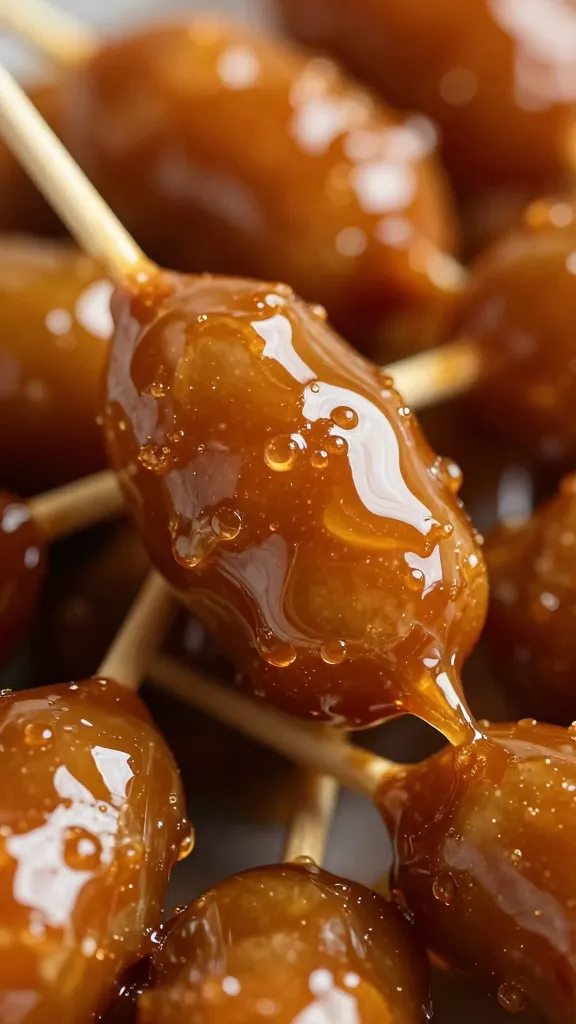
Italian street fairs run on these golden puffs. Zeppole come dusted with sugar or filled with pastry cream; sfingi go heavier and sometimes hide ricotta. Eat them burning hot for maximum joy.
How they differ
- Zeppole: Lighter, often plain with sugar.
- Sfingi: Richer dough, sometimes filled, often for festivals.
10) Buñuelos (Latin America & Spain)
One name, many identities. In Mexico, buñuelos show up as giant, crisp disks dusted with sugar and cinnamon. In Colombia, they’re cheesy dough balls with a tender middle. In Spain, they skew more like fritters—sometimes filled, sometimes plain.
Regional cheat sheet
- Mexico: Flat, shattery discs with cinnamon sugar.
- Colombia: Round, cheesy, perfect with hot chocolate.
- Spain: Fritter-style, especially during festivals.
How to Eat Like a Street-Food Pro
You’re chasing fried sugar. Strategy helps. You want freshness, flavor, and zero regrets (okay, maybe a few).
Quick rules of the road
- Follow the line. Crowds mean turnover, which means hot and fresh.
- Watch the oil. Clear and hot is good; dark or smoky is a red flag.
- Order small, often. Share if you must, but sampling wins.
- Ask for the dip. Vendors love to recommend their best sauces.
Street Frying 101 (For the Curious Cook)
Want to recreate the magic at home? You can, but the details matter. Get the temperature right and your batter game tight.
Essential tips
- Use the right oil: Neutral, high-smoke-point oils like peanut, canola, or rice bran.
- Mind the temp: 170–185°C (340–365°F) for most desserts. Too low = greasy; too high = burnt outside, raw inside.
- Don’t crowd the pan: Fry in batches to keep heat stable.
- Drain properly: Wire rack > paper towels for crispness.
- Finish fast: Toss in sugar or dip in syrup while hot so it sticks.
FAQ
Are fried desserts the same everywhere?
Not even close. They share a crispy-outside, soft-inside DNA, but each region tweaks the batter, shape, syrup, and spices. That’s why churros don’t taste like jalebi, even though both are fried and sugared.
Which fried dessert is the least sweet?
Try youtiao with lightly sweet dips or Cape Malay koesisters, which lean spiced and coconutty rather than syrup-heavy. Also, some zeppole just get a dusting of sugar and feel more balanced.
What’s the best drink pairing?
Go rich or go contrast. Thick hot chocolate with churros, café au lait with beignets, black tea with jalebi, and strong coffee with anything syrupy. For fruit-forward bites like malasadas with lilikoi, cold milk or iced tea hits right.
Can I make these gluten-free?
Yes, with caveats. Use a solid gluten-free blend and add a binder like xanthan gum. Batters like jalebi adapt easier than structured doughs like churros. Expect slightly different textures, which IMO is fine if the flavor sings.
How do I keep fried desserts crispy?
Fry hot, drain on a rack, and serve immediately. Sugar-dusted items hold better than syrup-soaked ones, which soften fast. If you must wait, re-crisp in a hot oven for a few minutes—but don’t expect miracles.
Are they all wildly unhealthy?
They’re treats, not lunch. Portion control helps, and street portions run small for a reason. Share a bag, walk the market, call it balance. FYI, joy counts toward wellness too.
Final Bite
Fried desserts travel well because they speak a universal language: crunch, warmth, sugar, repeat. Whether you’re tearing into a honey-dripping loukoumada or dodging powdered sugar clouds from a beignet, you’re tapping into a delicious tradition. Grab a napkin, follow your nose, and chase that next perfect sizzle.