
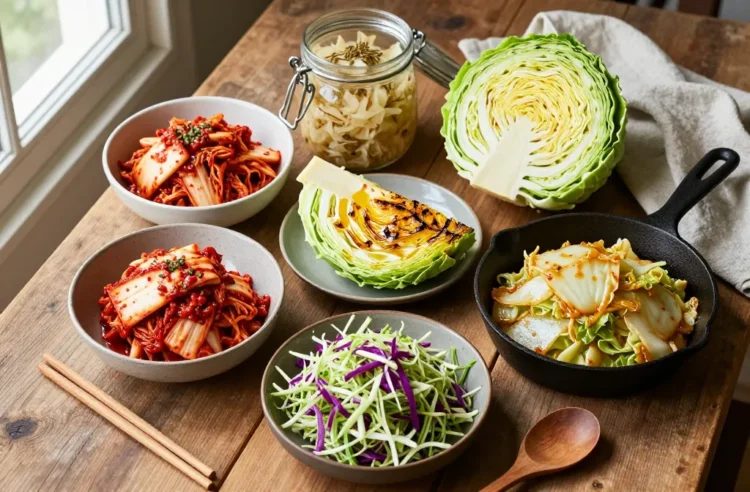
Cabbage doesn’t ask for much—just a cool corner of your fridge and a little salt—and in return it turns into crunchy magic around the world. From fiery kimchi to tangy sauerkraut, these humble leaves pack flavor, history, and gut-friendly superpowers. Ready to travel by tastebud? Grab a fork and a jar. We’re going in.
Why Cabbage Keeps Showing Up on Every Continent
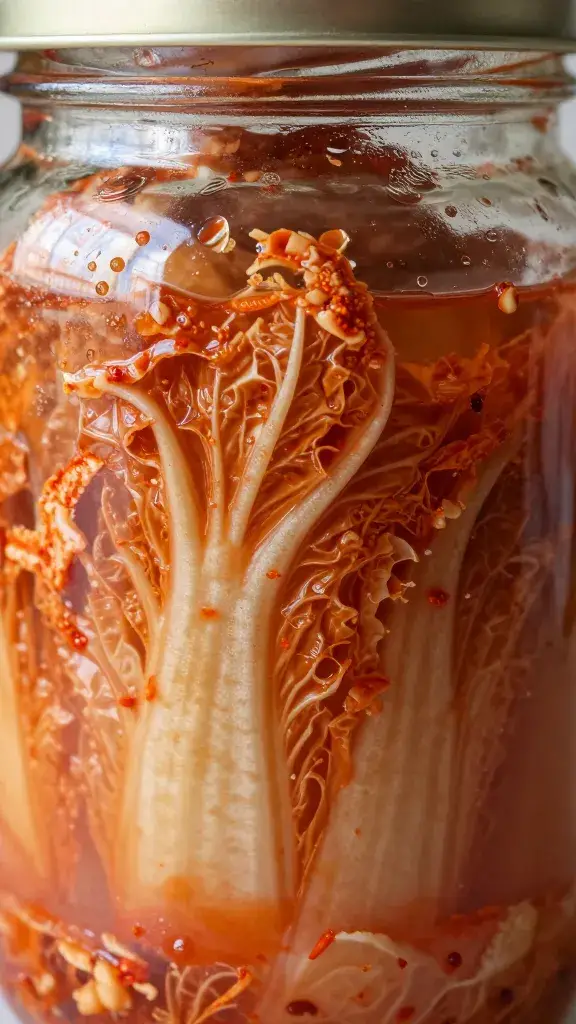
Cabbage wins because it’s cheap, sturdy, and ridiculously versatile. You can ferment it, braise it, char it, or eat it raw, and it holds its own every time. Plus, it stores like a champ, which explains its starring role in winter cuisines.
Bonus: fermented cabbage = happy gut. We’re talking probiotics, fiber, and vitamins that stick around even after a long ferment. Flavor and function? That’s a rare combo you don’t ignore.
Kimchi: Korea’s Fiery Fermented Icon
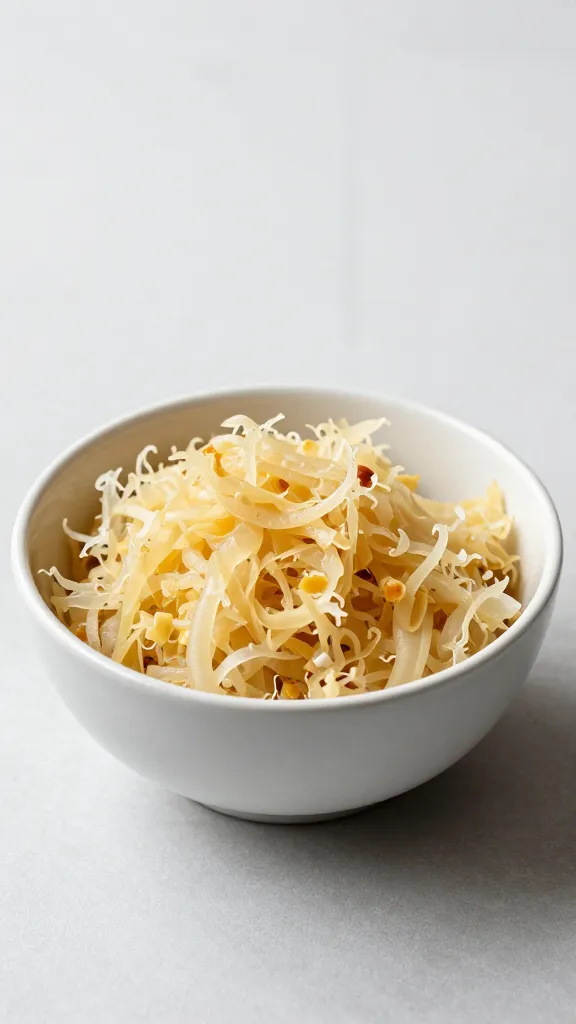
Kimchi isn’t one recipe—it’s a universe. Napa cabbage, Korean chili flakes (gochugaru), garlic, ginger, and fish sauce create a tangy, spicy, umami-packed crunch. You can eat it with anything: rice bowls, eggs, grilled cheese—yes, grilled cheese.
How to Kimchi Without Fear
- Salt the cabbage: Cut, salt heavily, let it wilt, then rinse.
- Mix the paste: Gochugaru, garlic, ginger, scallions, a touch of sugar, and fish sauce (or miso for a veg version).
- Pack and wait: Jar it, press out air, and ferment at room temp until it tangs, then chill.
FYI, kimchi flavor shifts day by day—taste early, taste often. IMO, slightly fizzy kimchi is peak kimchi.
Easy Ways to Use Leftover Kimchi
- Kimchi fried rice with a runny egg on top.
- Kimchi pancakes (kimchijeon) for rainy days.
- Kimchi tuna melt when you need chaos and comfort in one bite.
Sauerkraut: Germany’s Tangy Workhorse
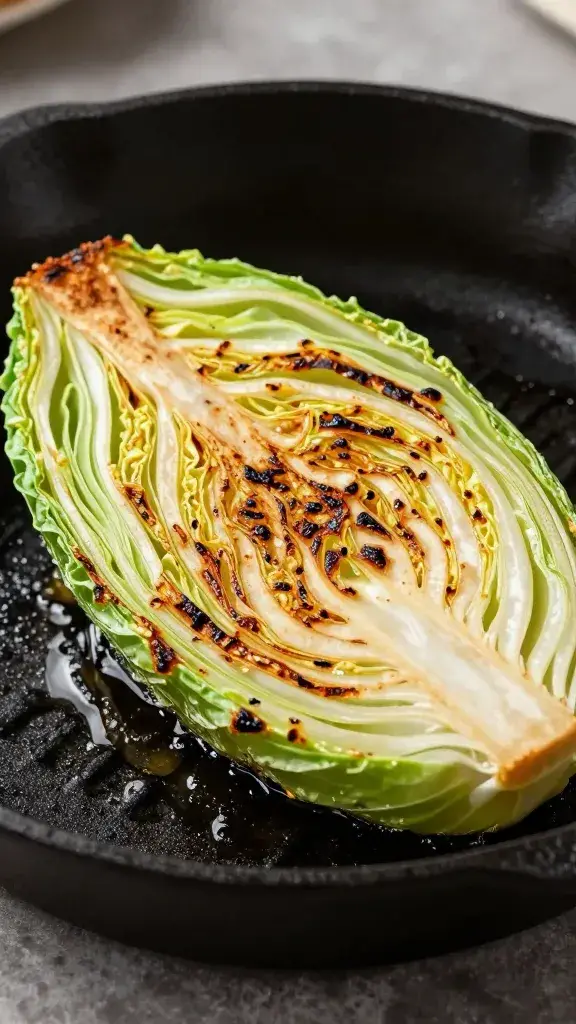
Sauerkraut looks simple—just cabbage and salt—but don’t get cocky. You need clean tools, the right salt ratio, and patience. The result? Bright, sharp strands with a gentle crunch that scream for sausages and mustard.
Classic Sauerkraut, Step by Step
- Shred and salt: 2% salt by weight. Massage until juicy.
- Pack tight: Stuff into a jar, make sure brine covers cabbage, weigh it down.
- Ferment: Burp if needed, taste after a week, keep going if you want more tang.
You can add juniper, caraway, or apple for a twist. I vote caraway for that old-world bakery vibe.
Quick Weeknight Uses
- Pile onto brats or veggie dogs with mustard.
- Fold into mashed potatoes for zing (hello, German-ish colcannon).
- Top a Reuben or grilled tempeh sandwich for glorious messiness.
Curtido: Salvadoran Crunch with Attitude
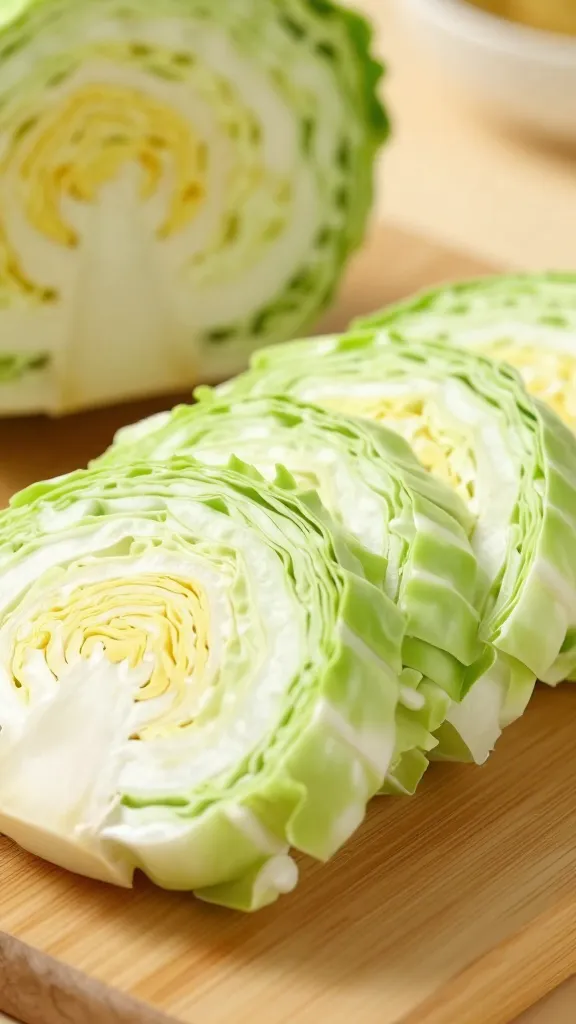
Curtido feels like sauerkraut’s sunny cousin. It mixes cabbage with carrots, red onion, oregano, and sometimes jalapeño. It’s lightly fermented or pickled and usually served with pupusas, which is perfect because curtido cuts through melted cheese like a pro.
What Sets Curtido Apart
- Oregano-forward: A little herb runs the show.
- Quick ferment: Often just 1–3 days, so it stays crisp.
- Vinegar optional: Some versions add a splash for extra bite.
Use it with tacos, bowls, and grilled meats. Or do a curtido + fried egg breakfast if you enjoy feeling smug before 9 AM.
Tsukemono: Japan’s Subtle, Snappy Pickles
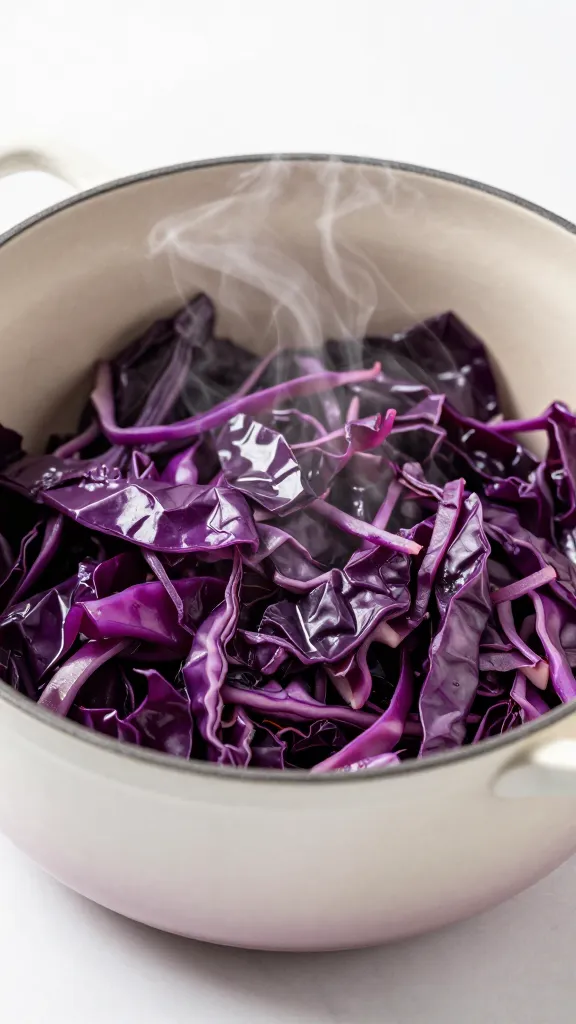
Japan does cabbage quietly but brilliantly. Think light salt pickles (shiozuke) or quick pickles with rice vinegar and kombu. The vibe: clean, crisp, and refreshing—like a palate reset between bites of something rich.
Simple Tsukemono at Home
- Salt and press: Toss sliced cabbage with salt and sugar, weigh down, and chill for a few hours.
- Optional flavor: Add a strip of kombu, yuzu zest, or a pinch of togarashi.
- Eat soon: Best within a day or two, with rice or grilled fish.
This style keeps cabbage’s sweetness intact. It’s the opposite of the “blast your face off” approach—and we love balance.
Coleslaw: The Backyard Hero
Yes, coleslaw counts. But not the gloopy kind that drowns your burger. Good slaw stays crisp, balances acidity and creaminess, and sneaks in texture and herbs for personality.
Two Slaw Camps, Both Valid
- Creamy slaw: Mayo, sour cream or yogurt, apple cider vinegar, sugar, celery seed.
- Vinegar slaw: Oil, vinegar, mustard, honey, and maybe a splash of pickle brine.
Add-ins that slap: green apple, fennel, jalapeño, dill, toasted sesame seeds. Keep the cut thin and even. And toss right before serving so it doesn’t wilt into sadness.
How Fermentation Actually Works (Without the Lab Coat)
Fermentation looks mystical, but it’s just bacteria doing their job. Salt pulls water out of the cabbage and creates a brine. Friendly lactic acid bacteria multiply, lower the pH, and preserve the cabbage while building flavor.
Key Fermentation Tips
- Use the right salt: Non-iodized, fine or medium grain. Iodine can mess with fermentation.
- Keep it submerged: Oxygen invites mold. Brine is your security blanket.
- Temperature sweet spot: 65–72°F (18–22°C) for steady ferment and great texture.
- Taste often: Flavor evolves. Stop when it tastes right to you—your jar, your rules.
FYI, a little surface yeast (kahm) looks like a thin film and smells funky but not awful. Skim it and move on. If it’s fuzzy, colorful, or smells like a swamp disaster, toss it.
Pairing and Serving Ideas That Make Cabbage Shine
You can throw cabbage on the side, sure. But why not make it the star? These combos hit hard.
- Kimchi + carbs: Fried rice, ramen, grilled cheese, or kimchi butter on steak.
- Sauerkraut + pork or mushrooms: Rich + tang = balance. Add caraway potatoes for bonus points.
- Curtido + masa: Pupusas, arepas, tostadas—crunch meets cheesy/masa goodness.
- Tsukemono + rice bowls: Soba, teriyaki salmon, or tofu bowls all love a clean, salty snap.
- Slaw + fried stuff: Fried chicken, fish tacos, or schnitzel need slaw like Netflix needs subtitles.
IMO, the best pairing rule is contrast: fatty + sour, spicy + creamy, rich + crisp.
FAQ
Is raw cabbage healthier than fermented cabbage?
Both bring value. Raw cabbage delivers crunch, vitamin C, and fiber. Fermented cabbage adds probiotics and increased bioavailability of some nutrients. Mix both and you win.
How long can I keep homemade kimchi or sauerkraut?
Kept cold and submerged in brine, they last for months. Flavor gets stronger over time. If you see mold, smell rot, or the texture turns mushy and slimy, it’s time to say goodbye.
Can I ferment red cabbage?
Absolutely. It makes a stunning magenta kraut or kimchi. Taste stays similar, but red cabbage tends to hold crunch a bit longer.
Do I need special gear to ferment at home?
Nope. A clean jar, a weight (a smaller jar or fermentation weight), and non-iodized salt do the job. Airlock lids help but aren’t mandatory.
What if my kimchi or kraut is too salty?
Rinse lightly before serving or chop and mix into dishes that need seasoning—fried rice, soups, or salads. You can also dilute with fresh cabbage in a quick sauté.
Why did my ferment stop bubbling?
Bubbling slows naturally after the first few days as the microbes settle down. Taste it. If it’s tangy and smells pleasantly sour, you’re fine. If it’s bland and not sour, temperature or salt ratio might be off.
Conclusion
Cabbage doesn’t do hype, it does results. Kimchi brings fire, sauerkraut brings tang, curtido brings brightness, tsukemono brings finesse, and slaw brings party vibes. Pick one, grab some salt, and let time work its quiet magic. Your future self—and your sandwiches—will thank you.