
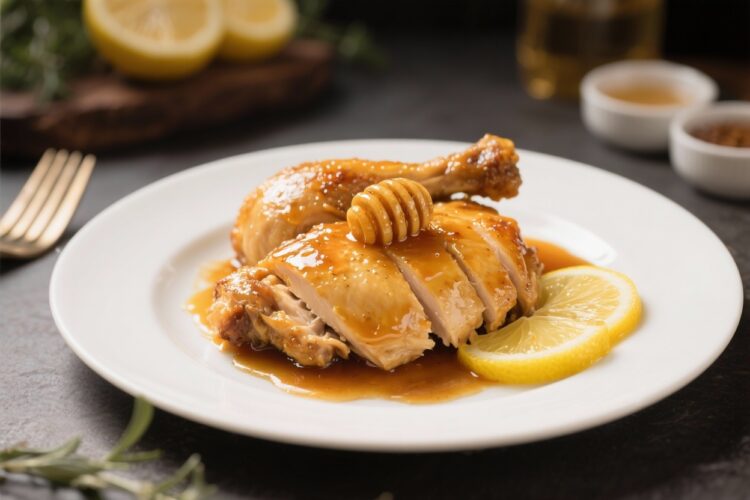
This is the kind of chicken recipe you keep on repeat. It’s simple enough for a weeknight but special enough for company. The honey lemon glaze is glossy, tangy, and just sweet enough to balance the savory chicken.
You get juicy bites with crisp edges and a sauce that begs to be spooned over rice or vegetables. If you like bold flavor without a lot of fuss, this one checks all the boxes.
Why This Recipe Works
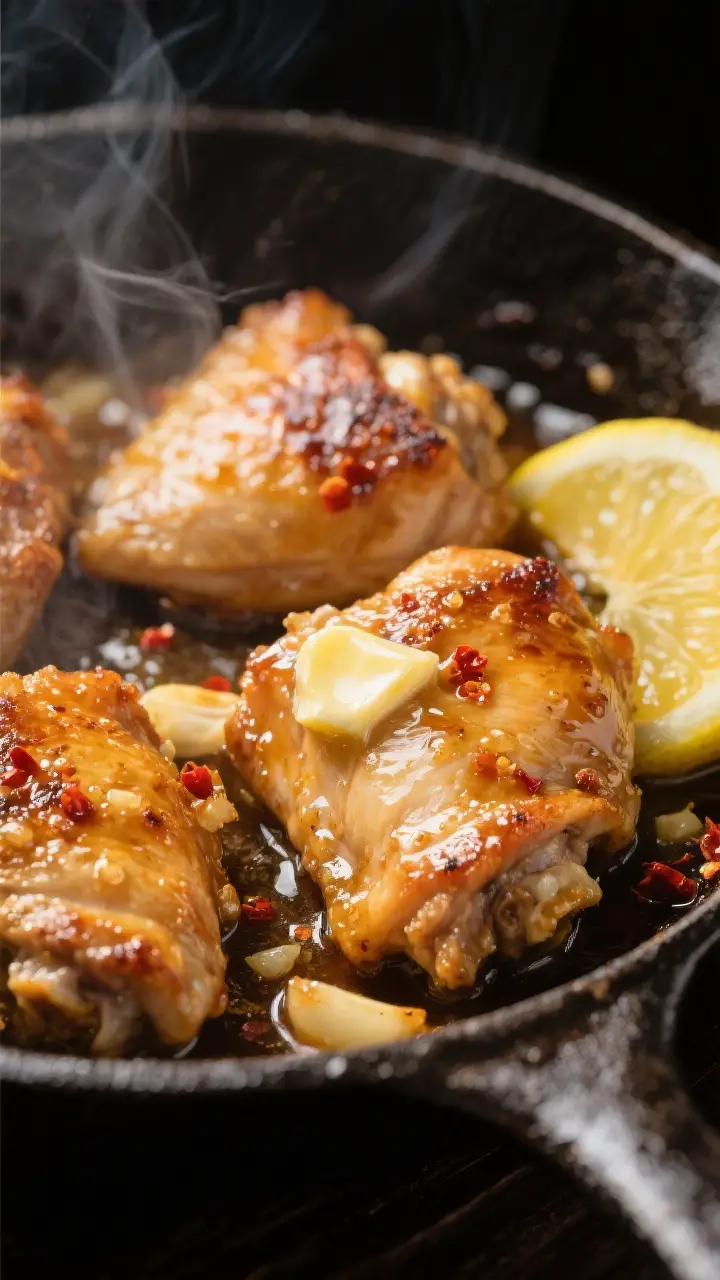
The secret is in the glaze. Honey adds a rich sweetness that caramelizes in the pan, while lemon juice cuts through with fresh acidity.
A little butter rounds out the sauce and gives it a silky finish. Garlic and a touch of soy sauce deepen the flavor without overpowering the citrus. You’ll sear the chicken first for color, then finish it in the sauce so it soaks up every drop.
Ingredients
- 1.5 pounds boneless, skinless chicken thighs or breasts (thighs stay juicier)
- 1 teaspoon kosher salt
- 1/2 teaspoon black pepper
- 1/2 teaspoon paprika (optional for color and warmth)
- 2 tablespoons olive oil (or neutral oil)
- 3 tablespoons unsalted butter, divided
- 3 cloves garlic, minced
- 1/3 cup honey
- 1/4 cup fresh lemon juice (about 1–2 lemons)
- 1 tablespoon lemon zest
- 1 tablespoon soy sauce (or tamari)
- 1 teaspoon Dijon mustard
- 1/4 teaspoon red pepper flakes (optional for heat)
- Fresh parsley, chopped (for garnish)
- Lemon slices (optional, for serving)
Step-by-Step Instructions
- Prep the chicken: Pat the chicken dry with paper towels.
Season both sides with salt, pepper, and paprika. Dry chicken sears better and builds a flavorful crust.
- Make the glaze: In a small bowl, whisk together honey, lemon juice, lemon zest, soy sauce, Dijon mustard, and red pepper flakes. Set aside.
This mix should taste bright and slightly sweet.
- Heat the pan: Set a large skillet over medium-high heat. Add olive oil and 1 tablespoon of butter. When the butter foams, it’s hot enough to sear.
- Sear the chicken: Add the chicken in a single layer.
Don’t crowd the pan. Cook 4–6 minutes on the first side until deep golden. Flip and cook another 3–5 minutes, depending on thickness.
Remove to a plate when nearly cooked through.
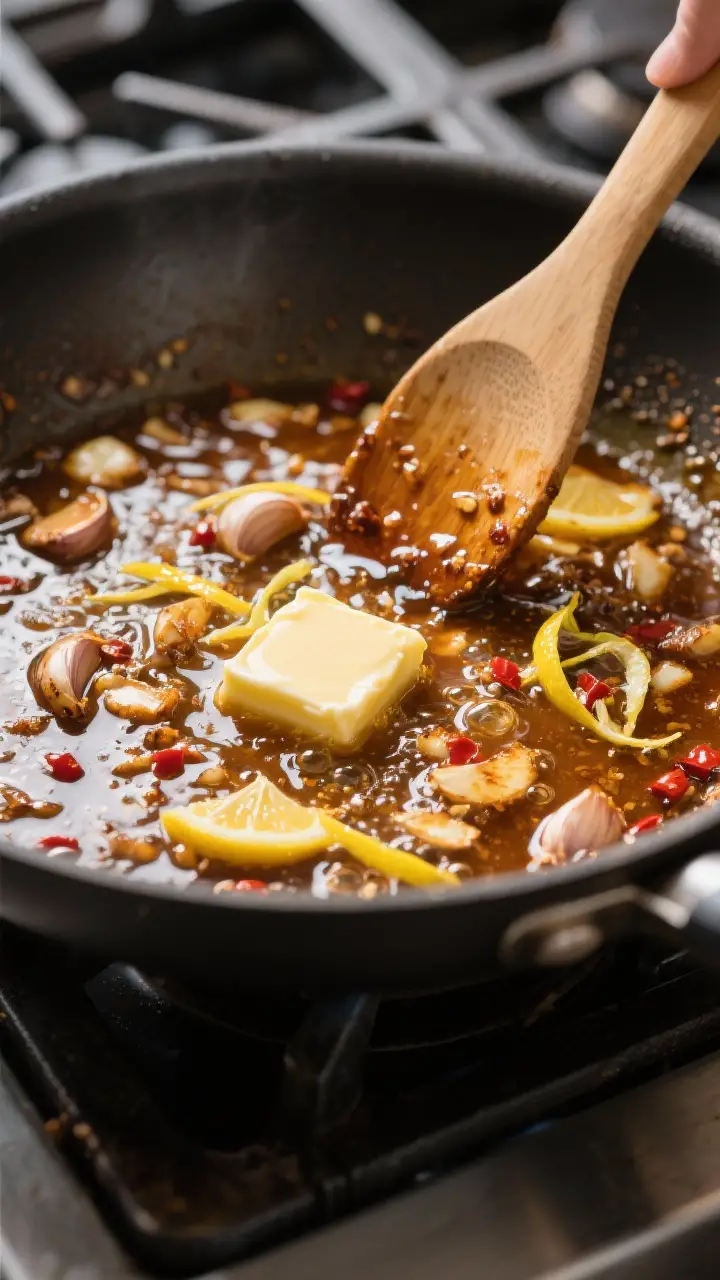
- Sauté the garlic: Lower the heat to medium. Add 1 tablespoon butter to the skillet. Stir in the garlic and cook for 30 seconds until fragrant.
Don’t let it burn.
- Deglaze with the glaze: Pour in the honey lemon mixture. Scrape up any browned bits from the pan. Simmer 2–3 minutes until slightly thickened and glossy.
- Finish the chicken: Return the chicken and any juices to the pan.
Spoon the sauce over the pieces. Simmer 3–5 minutes, turning once, until the chicken is cooked through and coated. Internal temperature should reach 165°F (74°C).
- Butter swirl: Turn off the heat and swirl in the last 1 tablespoon of butter.
This gives the sauce a rich, velvety finish.
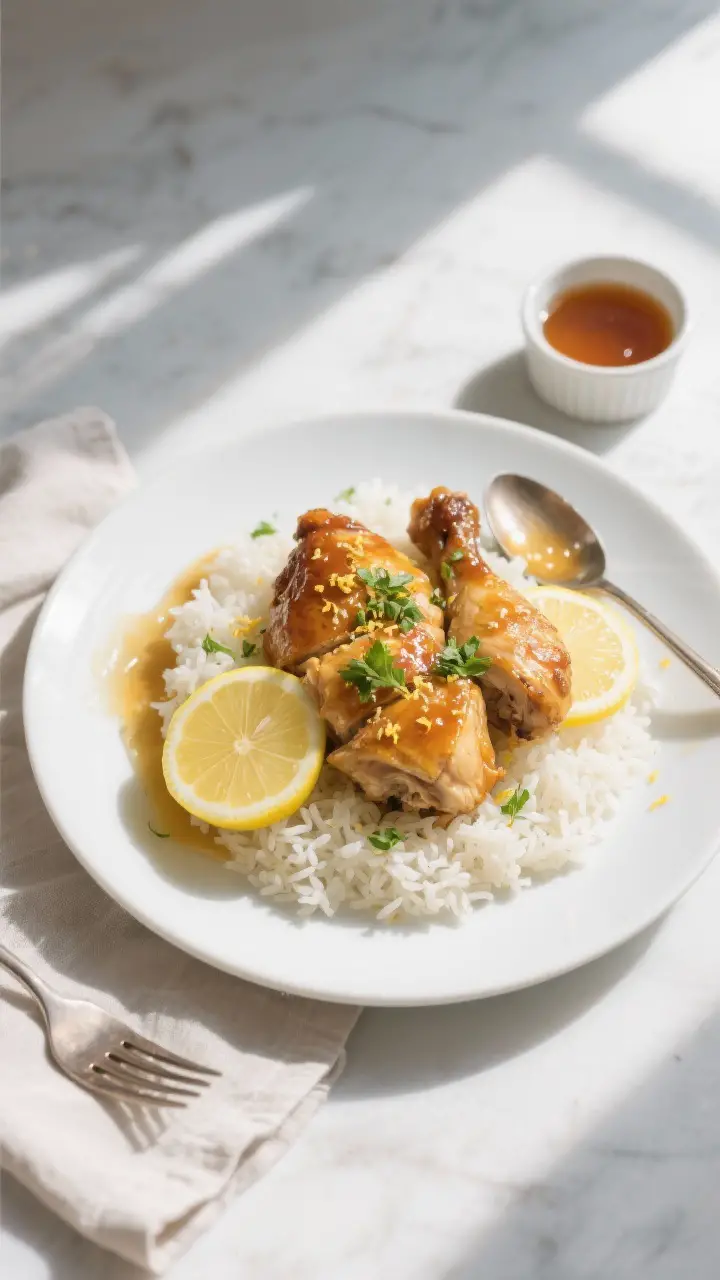
- Garnish and serve: Sprinkle with chopped parsley and add lemon slices if you like. Serve over rice, couscous, quinoa, or with roasted vegetables. Spoon extra sauce over everything.
Storage Instructions
- Refrigerate: Cool completely, then store in an airtight container for up to 4 days.
- Reheat: Warm gently in a skillet over low heat with a splash of water or chicken broth.
Avoid high heat so the honey doesn’t scorch.
- Freeze: Freeze for up to 2 months. Thaw overnight in the fridge, then reheat gently. Add a squeeze of fresh lemon at the end to brighten the flavor.
Benefits of This Recipe
- Quick and reliable: Cooks in about 30 minutes, start to finish.
- Balanced flavor: Sweet honey and tangy lemon keep each bite lively, not heavy.
- Family-friendly: Mild, approachable flavors with optional heat.
- Adaptable protein: Works with thighs or breasts, and even drumsticks if you adjust the time.
- Meal prep friendly: Stores and reheats well without drying out.
Common Mistakes to Avoid
- Overcrowding the pan: This creates steam and prevents browning.
Cook in batches if needed.
- Using high heat with the glaze: Honey can burn quickly. Lower the heat when you add the sauce.
- Skipping the pat-dry step: Moisture on the chicken stops a good sear. Drying pays off.
- Adding garlic too early: It burns before the sauce goes in.
Sauté it briefly, then add liquids.
- Not tasting the sauce: Lemons vary. Taste and adjust with more honey for sweetness or lemon for brightness.
Recipe Variations
- Herb-forward: Add chopped fresh thyme or rosemary to the sauce. They pair beautifully with lemon.
- Ginger twist: Grate 1 teaspoon fresh ginger into the glaze for a warm, zesty kick.
- Spicy version: Use 1–2 teaspoons chili garlic sauce or extra red pepper flakes for heat.
- Orange-honey glaze: Swap half the lemon juice with orange juice and add extra zest for a softer citrus note.
- Air fryer method: Cook seasoned chicken at 380°F (193°C) for 12–16 minutes, flipping halfway.
Simmer the glaze on the stove and brush it on during the last few minutes, then toss to coat after cooking.
- Oven-baked: Bake seasoned chicken at 400°F (204°C) for 18–22 minutes (thickness depending). Simmer the glaze separately and brush it on in the last 5 minutes; toss with more sauce before serving.
- Gluten-free: Use tamari or coconut aminos instead of soy sauce.
- Crispy cutlets: Pound breasts thin, dredge lightly in flour, and pan-sear. Add glaze at the end for a glossy finish with a delicate crust.
FAQ
Can I use bone-in chicken?
Yes.
Bone-in thighs or drumsticks work well. Sear them longer to develop color, then reduce heat and cook until they reach 165°F. You may need to cover the pan for part of the cooking.
Add the glaze toward the end so it doesn’t burn.
What can I use instead of honey?
Maple syrup is the best swap. It’s less sticky but still caramelizes. You can also use agave syrup, though it’s sweeter, so reduce it slightly and taste as you go.
How do I keep the sauce from getting too thick?
Lower the heat and add a splash of water or chicken broth if it tightens up.
Swirl in butter off the heat to loosen and gloss the sauce without thinning the flavor too much.
What sides go well with this?
Rice, quinoa, couscous, or mashed potatoes all soak up the glaze nicely. For vegetables, try roasted broccoli, green beans, asparagus, or a simple arugula salad with lemon and olive oil.
Can I grill the chicken?
Yes. Grill the seasoned chicken over medium heat until nearly cooked.
Warm the glaze in a small pan and baste during the last few minutes. Watch closely—honey can char fast over open flame.
Will chicken breasts dry out?
They can if overcooked. Pound them to an even thickness and pull them as soon as they hit 165°F.
Rest a few minutes before slicing so the juices settle back into the meat.
Can I make the glaze ahead?
Absolutely. Mix the glaze up to 3 days in advance and store it in the fridge. Whisk before using, and simmer to thicken when you cook the chicken.
In Conclusion
Chicken with Honey Lemon Glaze is bright, comforting, and quick to make.
The sweet-tart sauce turns simple chicken into something you’ll crave. Keep it weeknight-easy with rice and greens, or dress it up for guests with roasted vegetables and a crisp salad. Once you try it, it’ll become one of those go-to recipes you can make from memory.
Printable Recipe Card
Want just the essential recipe details without scrolling through the article? Get our printable recipe card with just the ingredients and instructions.