
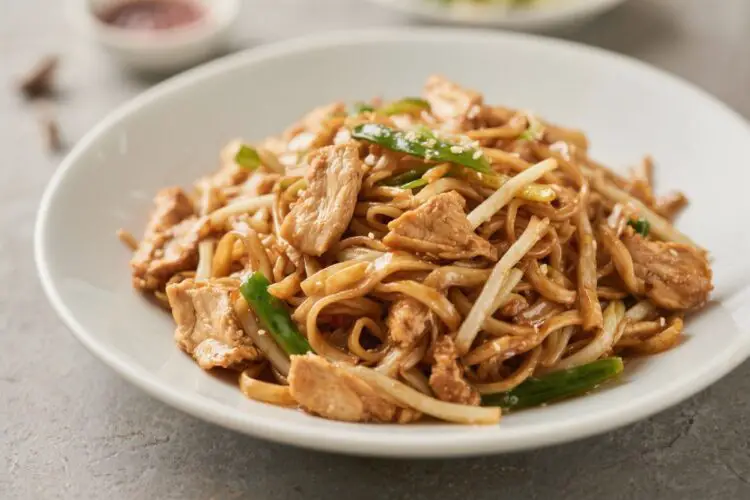
If you’ve only had soggy, greasy chow mein from takeout, this recipe will change your mind. Real-deal Chicken Chow Mein is light, springy, and packed with savory flavor and crisp vegetables. It’s quick enough for a weeknight but tastes like your favorite noodle spot.
Once you try it, you’ll see it’s all about good prep, high heat, and a simple, balanced sauce. Let’s make a version that hits all the right notes—tender chicken, bouncy noodles, and a glossy, savory finish.
What Makes This Special
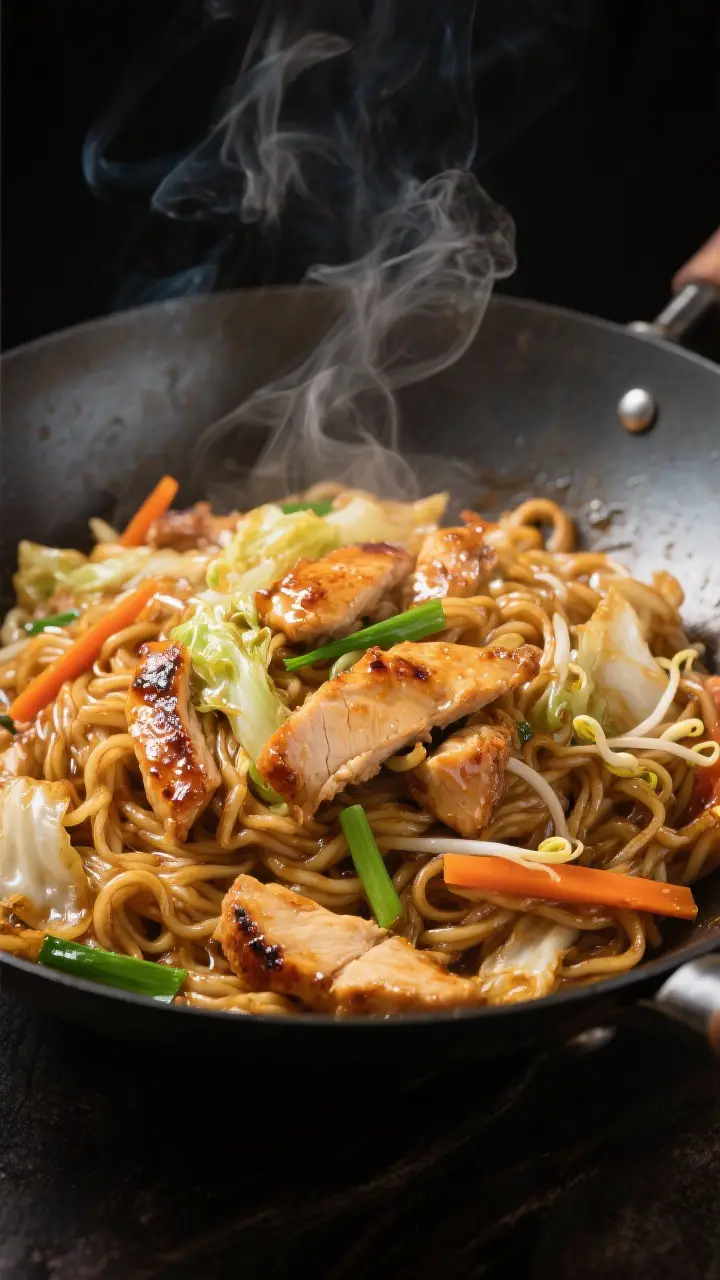
This chow mein focuses on texture and balance. The noodles are tender with a bit of chew, the veggies still crisp, and the sauce clings without drowning the dish.
A quick marinade gives the chicken a restaurant-style tenderness without fuss.
We also build flavor in layers: aromatics first, then chicken, then vegetables, then noodles, and finally sauce. Everything cooks fast, so you get that slight char and smoky edge from high heat—what you’d find in a proper wok-cooked noodle dish.
What You’ll Need
- Chicken: 1 pound boneless, skinless chicken thighs or breasts, thinly sliced
- Noodles: 12 ounces fresh chow mein noodles or thin egg noodles (Hong Kong-style are ideal)
- Vegetables:
- 2 cups green cabbage, thinly sliced
- 1 carrot, julienned
- 1 small onion, thinly sliced
- 1 cup bean sprouts (optional but great)
- 4 green onions, cut into 2-inch pieces
- 2 cloves garlic, minced
- 1 teaspoon fresh ginger, minced
- Chicken Marinade:
- 1 tablespoon soy sauce
- 1 teaspoon cornstarch
- 1 teaspoon Shaoxing wine (or dry sherry)
- 1 teaspoon neutral oil (canola, avocado, or peanut)
- Sauce:
- 2 tablespoons light soy sauce
- 1 tablespoon oyster sauce
- 1 tablespoon dark soy sauce (for color and depth)
- 1 teaspoon sugar
- 1/2 teaspoon sesame oil
- 1/4 cup chicken broth or water
- 1 teaspoon cornstarch (to lightly thicken)
- Optional: 1/4 teaspoon white pepper
- Oil for cooking: 2–3 tablespoons neutral oil
Instructions
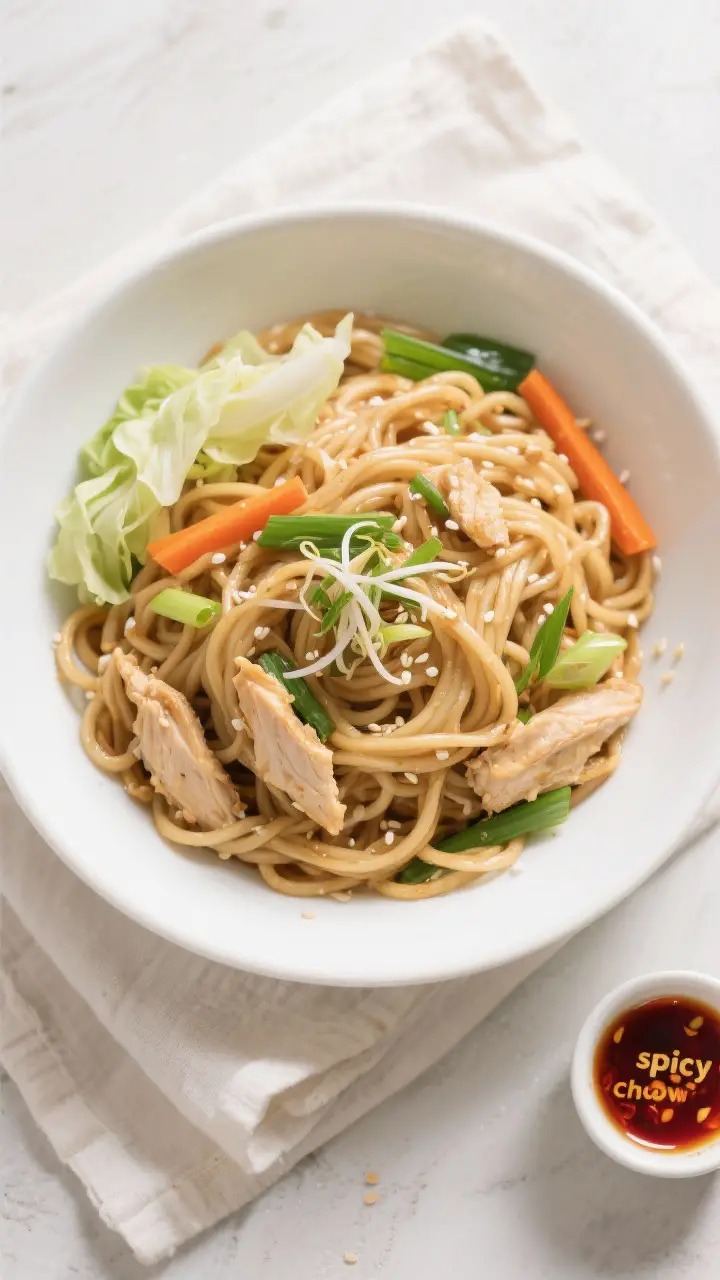
- Prep everything first. Slice the chicken thinly against the grain. Cut all vegetables and measure the sauce ingredients.
Chow mein cooks fast, so having everything ready is key.
- Marinate the chicken. In a bowl, combine soy sauce, cornstarch, Shaoxing wine, and oil. Toss in the chicken and let it sit for 10–15 minutes. This helps keep it tender and juicy.
- Mix the sauce. In a small bowl, whisk light soy sauce, oyster sauce, dark soy sauce, sugar, sesame oil, broth, cornstarch, and white pepper.
Set aside.
- Prepare the noodles. If using fresh chow mein noodles, rinse with hot water to loosen and drain well. If using dried egg noodles, cook until just shy of tender. Drain thoroughly and toss with a teaspoon of oil to prevent sticking.
- Heat your pan until smoking hot. Use a wok if you have one; otherwise, a large, heavy skillet works.
Add 1 tablespoon oil and swirl.
- Cook the chicken. Spread the chicken in a single layer. Let it sear for 30–45 seconds before stirring. Stir-fry until just cooked through, about 2–3 minutes.
Transfer to a plate.
- Stir-fry aromatics and vegetables. Add another tablespoon of oil. Add onion, garlic, and ginger; stir-fry 30 seconds. Add cabbage and carrot, and cook 1–2 minutes until crisp-tender.
If using bean sprouts, add them toward the end to keep them crunchy.
- Add noodles and build the char. Add a little more oil if needed. Toss in the noodles and let them sit for 20–30 seconds to pick up some color before tossing. This gives the noodles that lightly seared, wok-kissed taste.
- Return chicken and add the sauce. Add the chicken back in with green onions.
Pour in the sauce and toss quickly to coat. Cook for about 1 minute, just until the sauce turns glossy and clings to the noodles.
- Taste and adjust. If it needs salt, add a splash of soy. For a hint of sweetness, a pinch more sugar.
For heat, a dash of chili oil.
- Serve immediately. Chow mein is best hot from the pan when the noodles are springy and the vegetables still crisp.
Storage Instructions
- Refrigerate: Cool completely, then store in an airtight container for up to 3 days.
- Reheat: Best in a hot skillet with a splash of water or broth to loosen. Stir until heated through. Microwave works, but the noodles may soften more.
- Freeze: Not ideal.
The noodles can turn mushy. If you must, freeze up to 1 month and reheat in a hot pan.
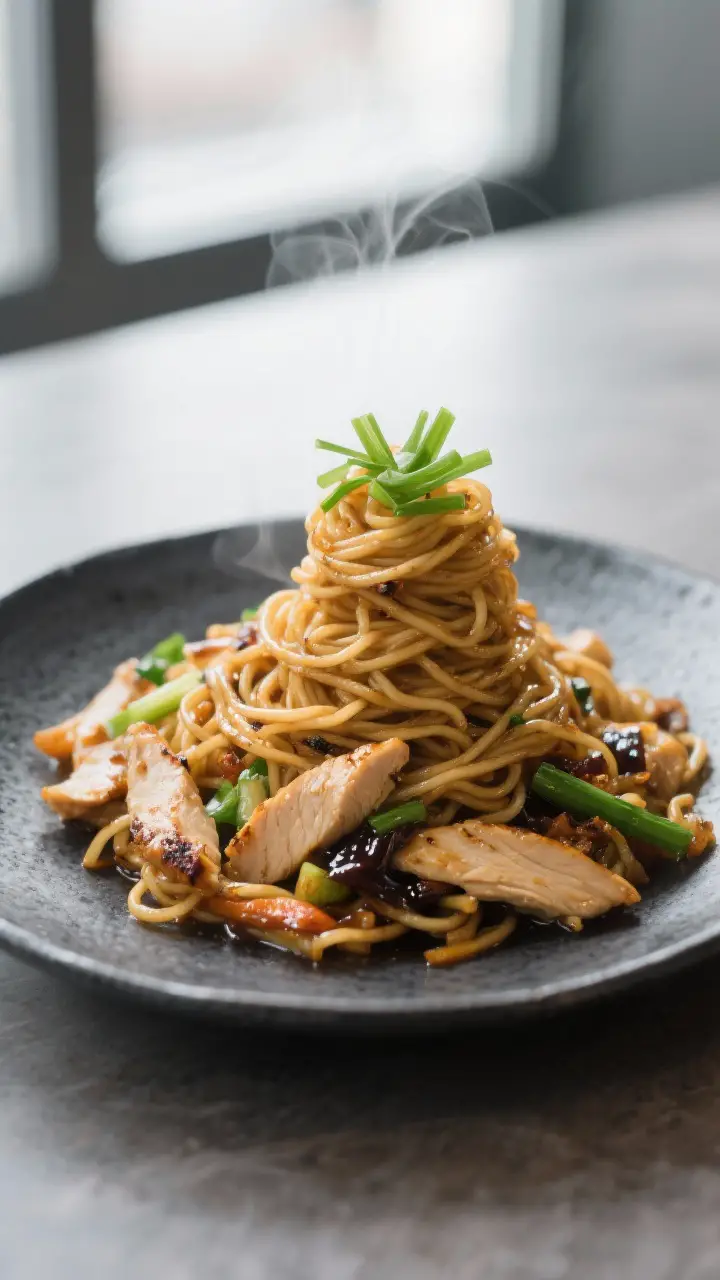
Benefits of This Recipe
- Balanced and light: The sauce is savory without being heavy, and the veggies stay crisp.
- Quick and flexible: Once prepped, it cooks in about 10 minutes. Great for weeknights.
- High in protein and veg: Lean chicken plus a generous mix of vegetables makes it a complete meal.
- Restaurant quality at home: Simple techniques—marinating, high heat, and a balanced sauce—deliver that takeout favorite with fresher flavor.
What Not to Do
- Don’t overcook the noodles. Soft noodles break and turn mushy in the pan.
- Don’t skip the cornstarch in the marinade. It helps the chicken stay tender and juicy.
- Don’t overcrowd the pan. Too much at once drops the heat and causes steaming instead of searing.
- Don’t drown the noodles in sauce. Chow mein isn’t a saucy dish.
You want a light, glossy coating.
- Don’t add bean sprouts too early. They’ll wilt. Add near the end for crunch.
Variations You Can Try
- Spicy Sichuan-style: Add chili oil, a bit of doubanjiang (broad bean chili paste), and a pinch of Sichuan pepper for numb heat.
- Garlic lovers: Double the garlic and finish with a drizzle of garlic-infused oil.
- Vegetarian: Swap chicken for firm tofu or mushrooms. Use vegetarian oyster sauce or extra soy sauce with a touch of mushroom powder.
- Extra greens: Add snow peas, bok choy, or spinach.
Stir in toward the end so they stay bright.
- Cantonese char: Let the noodles rest in the hot pan a bit longer for more caramelized edges. Don’t stir constantly.
FAQ
What’s the best noodle for chow mein?
Fresh chow mein or Hong Kong–style egg noodles work best. They’re thin, springy, and hold up to high heat.
If you only have dried egg noodles, cook them until just shy of done and drain very well.
Can I make this gluten-free?
Yes. Use gluten-free tamari instead of soy sauce, a gluten-free oyster sauce, and gluten-free noodles like rice noodles. The texture will change slightly, but the flavors will still shine.
Do I need a wok?
No, but high heat is important.
A large stainless steel or carbon steel skillet works well. Preheat it thoroughly and cook in batches if needed to avoid overcrowding.
Why marinate the chicken?
The quick marinade seasons the meat and the cornstarch helps lock in moisture. It gives you that velvety texture you expect from good stir-fry dishes.
How do I keep noodles from sticking?
Rinse fresh noodles to separate, and toss cooked noodles with a little oil.
In the pan, add oil as needed and avoid constant stirring—let the noodles sear, then toss.
Can I add more sauce?
You can, but be careful. Chow mein should be lightly coated, not soupy. If you like it saucier, double the sauce but add gradually, stopping when the noodles look glossy.
What’s the difference between chow mein and lo mein?
Chow mein is typically stir-fried at higher heat with a lighter, clingy sauce and sometimes a bit of sear on the noodles.
Lo mein is usually tossed with a bit more sauce after cooking, so it’s softer and saucier.
Can I make it ahead?
You can prep everything ahead—slice chicken, cut vegetables, and mix the sauce. Cook it fresh when you’re ready to eat. Fully cooked chow mein is fine for leftovers, but fresh is best.
Final Thoughts
Chicken Chow Mein is all about heat, timing, and balance.
With a quick marinade, crisp vegetables, and a clean, savory sauce, you get a noodle dish that tastes like the real thing—fresh, bouncy, and deeply satisfying. Keep your prep tight, don’t crowd the pan, and trust the high heat. Once you get the rhythm, this becomes a one-pan staple you’ll make again and again.
Printable Recipe Card
Want just the essential recipe details without scrolling through the article? Get our printable recipe card with just the ingredients and instructions.