
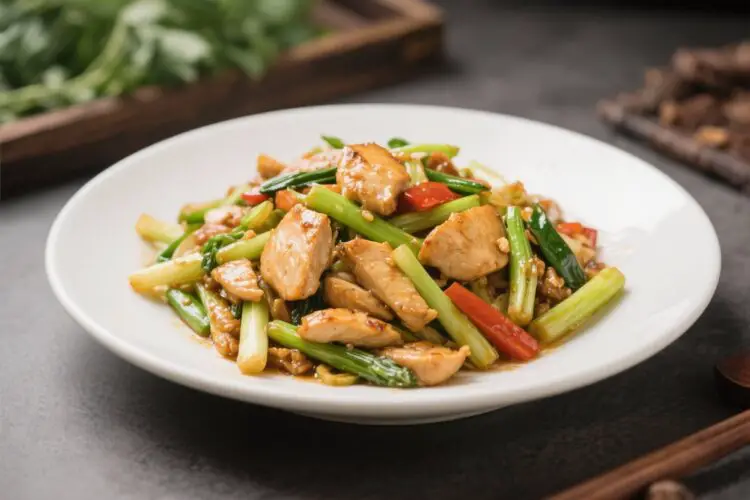
Spring vegetables are crisp, sweet, and full of life, and they shine in this simple stir fry with tender chicken. It’s quick enough for a weeknight, but colorful and fresh enough to feel special. The sauce is light, savory, and a little glossy, coating every bite without weighing it down.
You’ll get a balanced mix of protein and veggies in one pan, with minimal prep and easy cleanup. If you like dinners that are fast, healthy, and genuinely satisfying, this one checks every box.
What Makes This Special
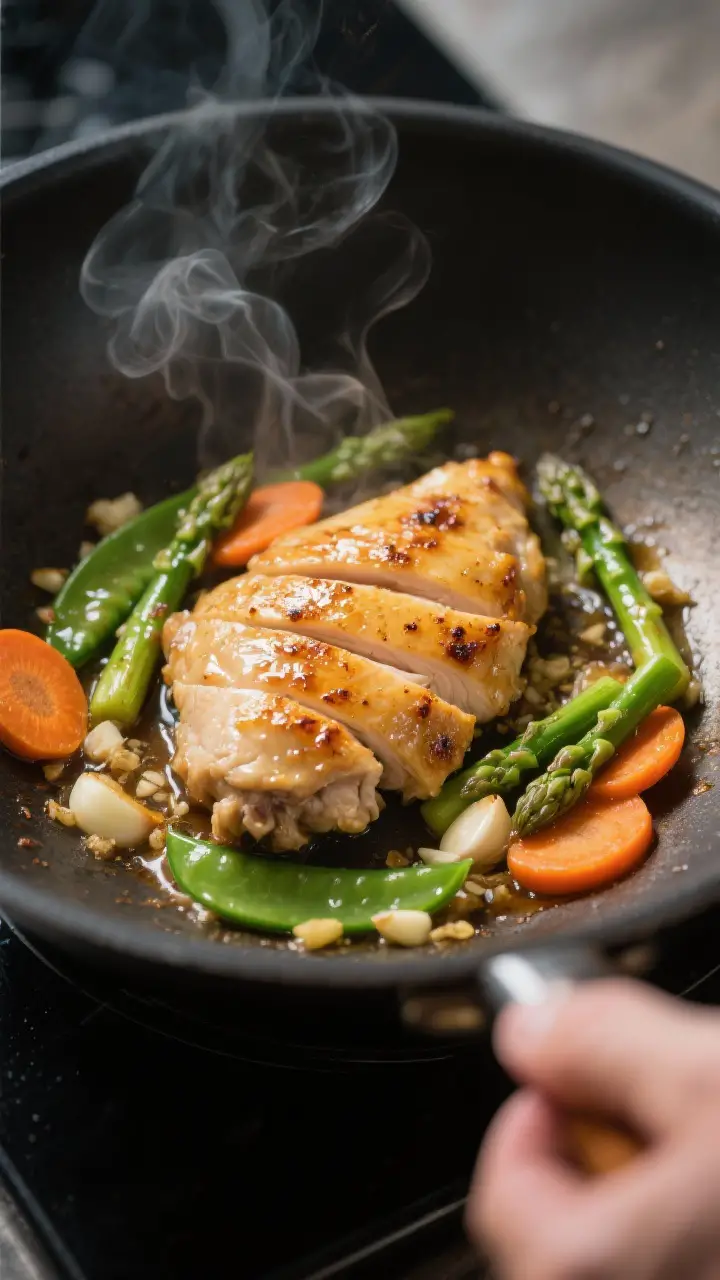
This stir fry keeps the focus on seasonal produce—think asparagus, sugar snap peas, baby carrots, and spring onions. The chicken stays juicy thanks to a quick marinade that doubles as the base for the sauce.
You get layers of texture: crisp-tender vegetables, silky sauce, and seared chicken. It’s flexible, too. Swap in what you find at the market and adjust the heat to your liking.
Shopping List
- Chicken: 1 to 1.25 pounds boneless, skinless chicken thighs or breasts, thinly sliced
- Spring vegetables:
- 1 bunch asparagus, trimmed and cut into 1.5-inch pieces
- 1 cup sugar snap peas or snow peas, strings removed
- 1 cup thinly sliced baby carrots (or regular carrots cut on a bias)
- 1 small bunch spring onions (or scallions), sliced
- 1 cup sliced mushrooms (optional but great for depth)
- 1 cup thinly sliced bell pepper (any color; optional for sweetness)
- Aromatics: 3 cloves garlic, minced; 1 tablespoon fresh ginger, minced
- Oil: 2 to 3 tablespoons neutral oil with a high smoke point (canola, avocado, or peanut)
- Sauce and marinade:
- 3 tablespoons low-sodium soy sauce or tamari
- 1 tablespoon oyster sauce (or hoisin for sweeter flavor)
- 1 tablespoon rice vinegar
- 1 tablespoon dry sherry or Shaoxing wine (optional but recommended)
- 1 teaspoon toasted sesame oil
- 1 to 2 teaspoons honey or brown sugar (to taste)
- 1/2 cup low-sodium chicken broth or water
- 2 teaspoons cornstarch (for thickening)
- 1/4 to 1/2 teaspoon red pepper flakes or chili-garlic sauce (optional heat)
- Freshly ground black pepper
- Garnishes: Sesame seeds, lime wedges, and chopped fresh cilantro or chives (optional)
- To serve: Steamed rice or noodles
How to Make It
- Prep everything first. Stir fries move quickly.
Slice the chicken and vegetables, mince the garlic and ginger, and have bowls ready. Dry the chicken with paper towels so it sears well.
- Make the sauce. In a bowl, whisk soy sauce, oyster sauce, rice vinegar, sherry, sesame oil, honey, broth, cornstarch, and chili heat if using. Taste and adjust sweetness and salt. It should be savory with a gentle tang.
- Marinate the chicken briefly. Spoon 2 tablespoons of the sauce over the sliced chicken.
Toss to coat and let it sit 10 minutes while you heat your pan. This keeps the chicken moist and makes it flavorful.
- Heat the pan properly. Place a large wok or wide skillet over medium-high to high heat. Add 1 tablespoon oil and let it shimmer.
A hot pan prevents soggy stir fry.
- Sear the chicken in batches. Add half the chicken in a single layer. Cook 2 to 3 minutes per side until golden and just cooked through. Transfer to a plate.
Repeat with remaining chicken, adding a little oil if needed.
- Stir fry the vegetables. Add another tablespoon of oil. Toss in carrots and asparagus first; cook 2 minutes. Add mushrooms and snap peas; cook 1 to 2 minutes.
Add spring onions, garlic, and ginger; stir 30 to 45 seconds until fragrant. Don’t overcook—you want crisp edges.
- Add chicken back and sauce. Return the chicken and any juices to the pan. Whisk the sauce and pour it in. Stir constantly for 1 to 2 minutes until the sauce thickens and coats everything.
If it gets too thick, add a splash of water.
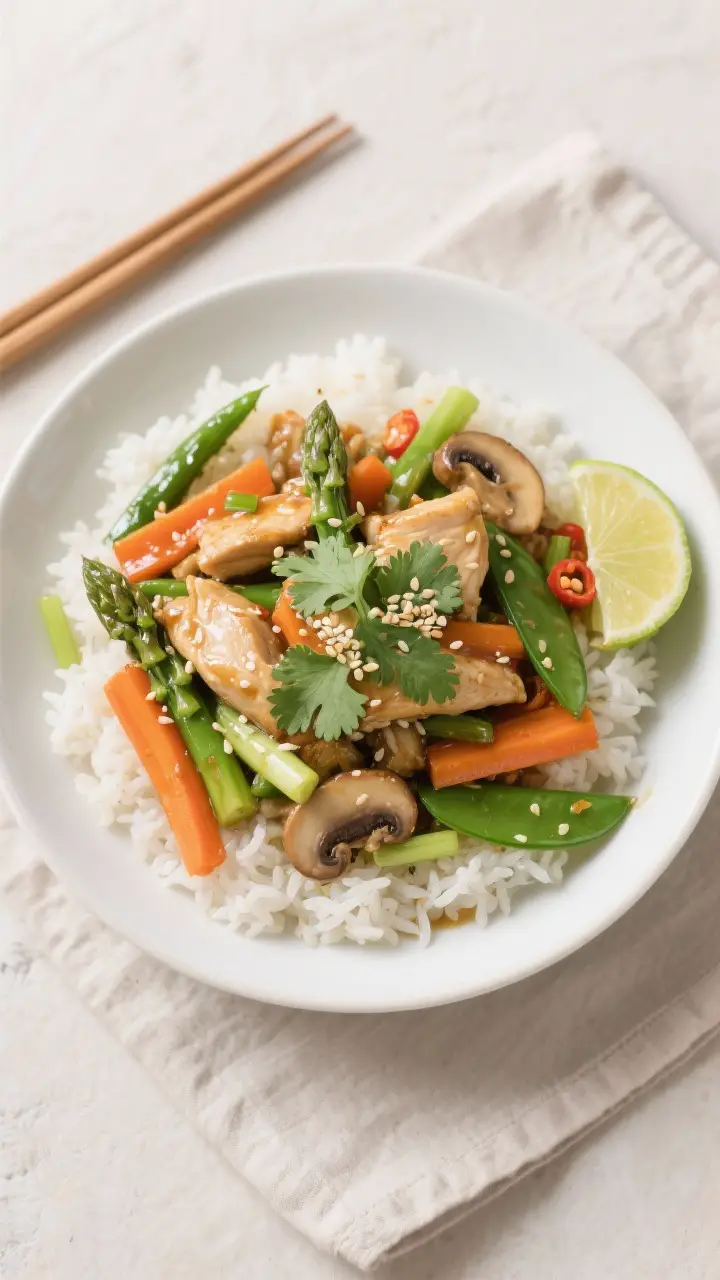
- Finish and serve. Grind in black pepper, taste, and adjust salt, heat, or sweetness. Sprinkle sesame seeds and herbs if using. Serve immediately over hot rice or noodles with lime wedges.
Keeping It Fresh
Stir fry shines when it’s crisp and hot, so serve right away.
Leftovers keep in an airtight container for up to 3 days. Reheat in a skillet over medium heat with a splash of water to loosen the sauce. If reheating in the microwave, cover loosely and heat in short bursts to avoid overcooking the vegetables.
For meal prep, keep the rice and stir fry in separate containers so textures stay better.
Benefits of This Recipe
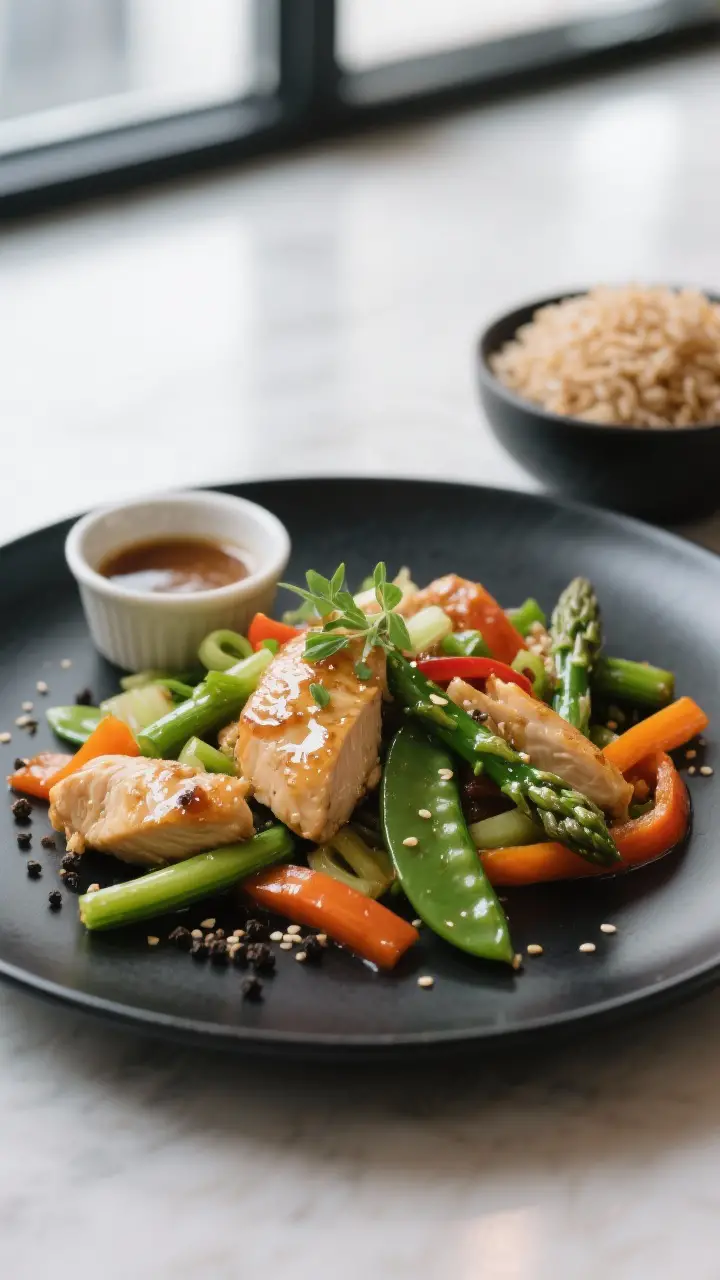
- Fast and flexible: Most of the work is chopping, and it cooks in under 15 minutes.
- Balanced meal: Lean protein, colorful vegetables, and a light sauce make it satisfying without being heavy.
- Budget-friendly: Uses everyday pantry ingredients, and you can swap in whatever is on sale.
- Seasonal flavor: Spring vegetables have natural sweetness and snap that don’t need much fuss.
- Great for crowds: Easy to scale up by cooking the chicken in batches and keeping the sauce on hand.
Common Mistakes to Avoid
- Overcrowding the pan: Too much at once steams the food and kills the sear. Cook the chicken in batches.
- Skipping the prep: Measure and slice everything before you start. Stir fry is fast; you won’t have time mid-cook.
- Overcooking vegetables: Pull them while they’re still bright and crisp-tender.
They’ll soften slightly in the sauce.
- Forgetting to whisk the sauce: Cornstarch settles. Stir it right before pouring so the sauce thickens evenly.
- Too much sweetness or salt: Taste as you go. Adjust honey and soy to fit your preference and the saltiness of your broth.
Alternatives
- Protein swaps: Try thinly sliced pork tenderloin, shrimp, firm tofu, or tempeh.
For tofu, press it first and pan-sear until golden.
- Vegetable swaps: Use broccolini, zucchini, green beans, or leafy greens like baby bok choy. Keep the total volume similar.
- Gluten-free: Use tamari instead of soy sauce and a gluten-free oyster sauce or extra tamari with a touch more honey.
- No cornstarch: Arrowroot or potato starch works. Use slightly less arrowroot and add it at the end to avoid stringiness.
- Low-carb: Serve over cauliflower rice or shirataki noodles.
Reduce the honey or skip it if you prefer.
- Extra heat: Add chili-garlic sauce, sliced fresh chilies, or a drizzle of chili oil at the end.
FAQ
Can I make this ahead?
Yes, prep the vegetables and sauce up to 24 hours in advance and store them separately in the fridge. Slice and marinate the chicken just before cooking, or up to 4 hours ahead for best texture. Cook right before serving for the best crunch.
How do I keep the chicken tender?
Slice it thinly against the grain, give it a short marinade, and cook it hot and fast without overcooking.
Chicken thighs are more forgiving than breasts if you’re worried about dryness.
What if I don’t have a wok?
Use the largest, heaviest skillet you have. A wide surface area helps sear the chicken and keep the vegetables crisp. Avoid nonstick for high heat if you can; stainless or cast iron works well.
Can I use frozen vegetables?
You can, but thaw and pat them dry first.
Cook them briefly over high heat so they don’t release too much water. Fresh spring vegetables will have better texture and flavor, but frozen is handy in a pinch.
How spicy is this?
It’s mild as written. Add red pepper flakes, chili-garlic sauce, or fresh chilies to increase the heat.
Adjust to your taste so the spice complements, not overwhelms, the spring vegetables.
What should I serve with it?
Steamed jasmine or brown rice, simple noodles, or even quinoa work well. A wedge of lime and a sprinkle of sesame seeds make it pop. A crisp cucumber salad on the side is a nice contrast.
Can I double the recipe?
Yes, but cook in batches for best results.
Double the sauce and keep it whisked before adding so it thickens evenly. Hold cooked chicken and vegetables on a warm plate between batches.
Final Thoughts
Chicken and Spring Vegetable Stir Fry is one of those meals that feels bright and fresh without asking much of you. It’s flexible, fast, and easy to tailor to what’s in your fridge or at the market.
Keep the heat high, the veggies crisp, and the sauce balanced, and you’ll have a reliable go-to dinner any night of the week. Simple ingredients, quick cooking, and clean flavors—hard to beat.