
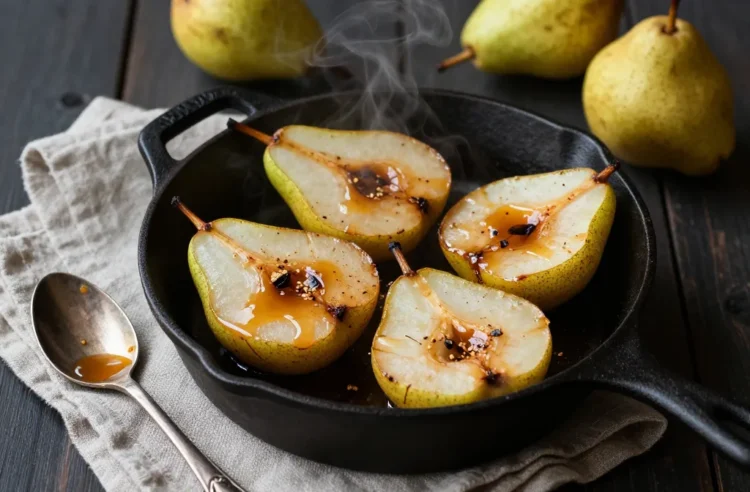
Pears don’t get enough love. Apples hog the spotlight, but pears? Pears show up buttery-soft, fragrant, and ready to melt into caramel with the slightest nudge. Roast them with butter, sugar, and a hit of spice, and you’ve got a dessert that tastes like a cozy sweater. Bonus: it’s embarrassingly easy and makes your kitchen smell like a fancy bakery. Sold?
Why Roasted Pears Just Work
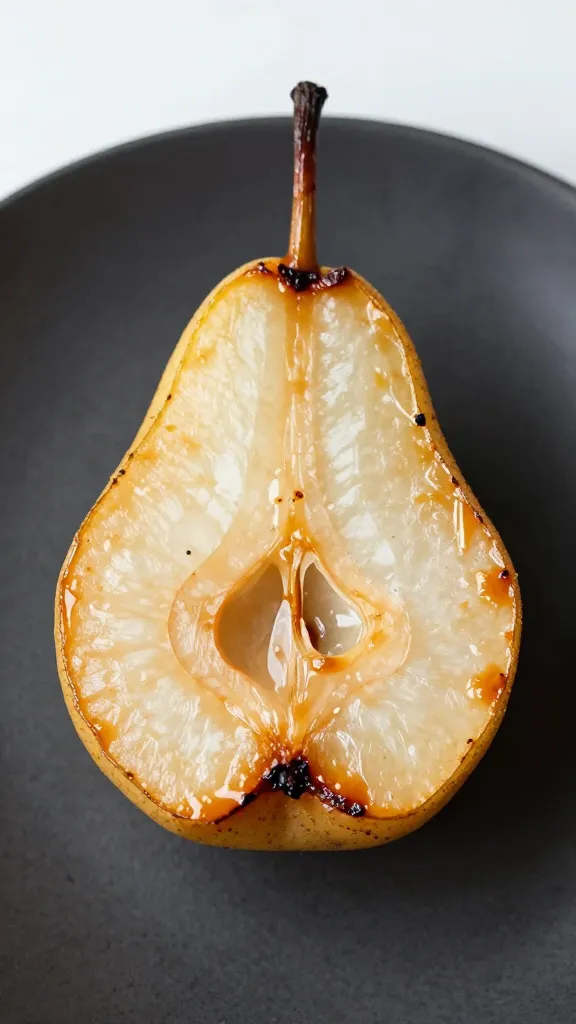
Roasting turns a decent pear into a dessert that whispers, “I belong on a dessert menu.” The heat concentrates the sugars and creates a glossy sauce that clings to every bite. You barely lift a finger, and somehow everyone thinks you’re a genius.
Key reasons to make these:
- Fast prep: Slice, butter, sprinkle, bake. That’s it.
- Flexible: Dress them up or keep it simple. Both win.
- Make-ahead friendly: Rewarm gently and they’re back to silky perfection.
The Pears You Actually Want
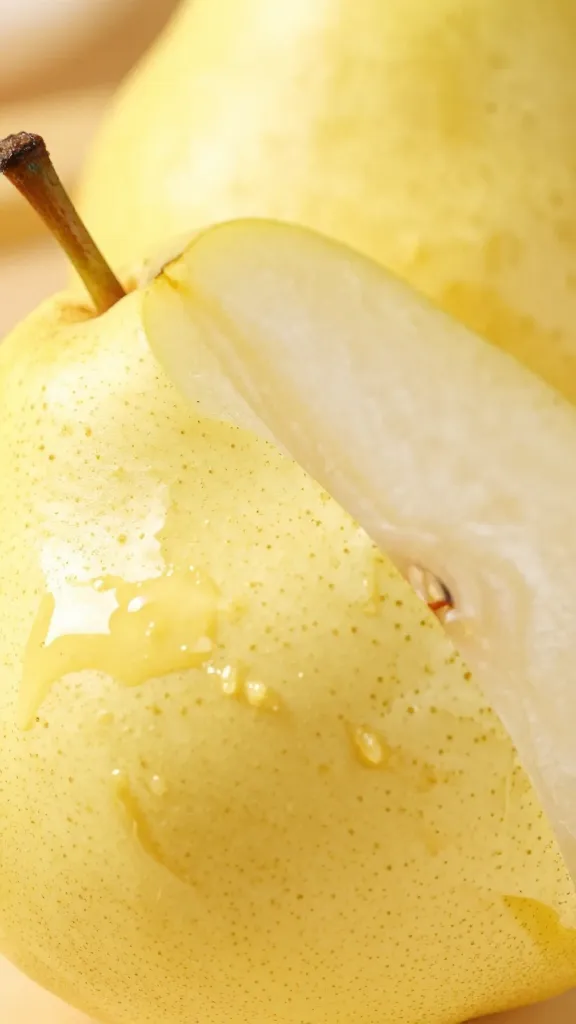
Not all pears behave the same in the oven. Some go grainy, some go mushy, and some turn into literal fruit velvet.
Top picks:
- Bosc: Firm, shapely, and caramelizes like a dream. My go-to.
- Anjou (Green or Red): Hold their texture, taste sweet, and look pretty.
- Comice: Very soft and rich—delicious, but watch the bake time.
When to use them: Choose pears that feel just ripe—slight give near the stem, not squishy. Too firm? Roast longer. Too soft? Lower the heat and shorten the time.
Peel or Not?
You can roast them with the skin on for color and texture. I usually peel because the sauce glazes the flesh better. IMO, peeled pears look more elegant, but you do you.
Ingredients That Keep It Simple (But Fancy)
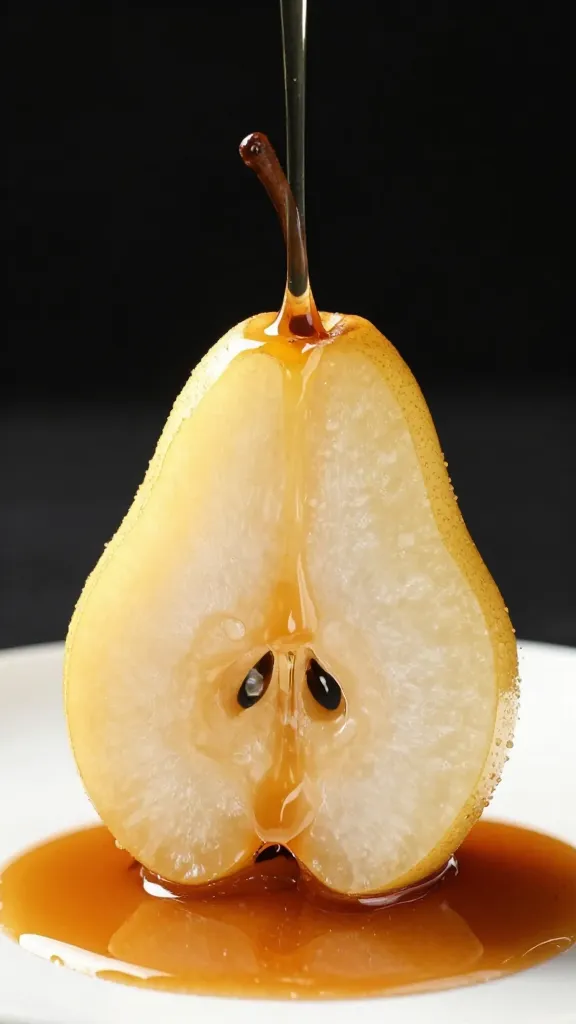
You don’t need a dozen ingredients to make them sing. You just need balance: fat, sugar, salt, and aroma.
What you’ll need for 4 servings:
- 4 medium pears, ripe but firm
- 3 tablespoons unsalted butter, melted
- 3 tablespoons brown sugar (light or dark)
- 1 teaspoon vanilla extract
- 1/2 teaspoon ground cinnamon
- Pinch of fine sea salt
- Optional: 1–2 tablespoons maple syrup or honey (for extra gloss)
- Optional splash: 2 tablespoons bourbon, rum, or pear brandy (FYI, big flavor move)
- Fresh lemon juice (just a squeeze to keep things bright)
Flavor Twists
- Spiced: Add cardamom, ginger, or a tiny grind of black pepper.
- Nutty: Scatter chopped hazelnuts or pistachios during the last 10 minutes.
- Herby: Slip in a sprig of rosemary or thyme—subtle but lovely.
How to Roast Pears Like You Mean It
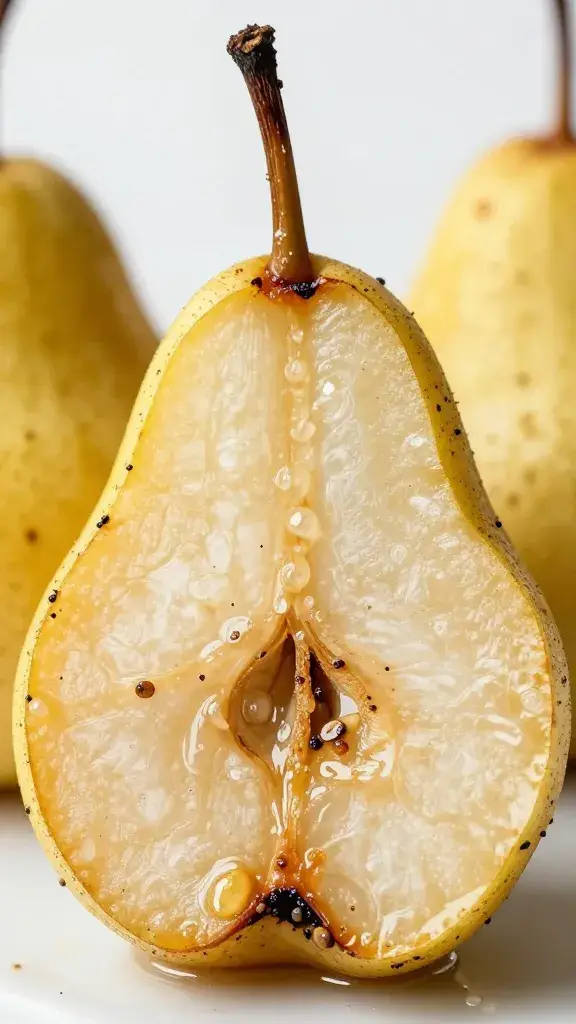
You want soft, caramel-edged fruit with buttery syrup pooling in the pan. This gets you there without drama.
- Heat the oven to 400°F (200°C). Grab a medium baking dish—ceramic or metal works.
- Peel the pears (optional), halve them lengthwise, and scoop out the cores with a spoon or melon baller. A little squeeze of lemon keeps them perky.
- Whisk melted butter, brown sugar, vanilla, cinnamon, and salt. Add maple or booze if using.
- Nestle pears cut-side up in the dish. Spoon the butter mixture over and into the hollows.
- Roast 20 minutes. Baste with the pan juices.
- Flip pears cut-side down. Roast another 10–15 minutes, basting once more, until fork-tender with caramelized edges.
- Rest 5 minutes. The sauce thickens slightly. Spoon that goodness over the top before serving.
Signs They’re Done
The tip of a paring knife slides in easily, but the pear still holds its shape. The edges look a little bronzed, and the juices bubble into a shiny syrup. If they slump into pear pudding, you went too far—still delicious, but now it’s compote. Chill vibes either way.
Serving Ideas That Make Them Shine
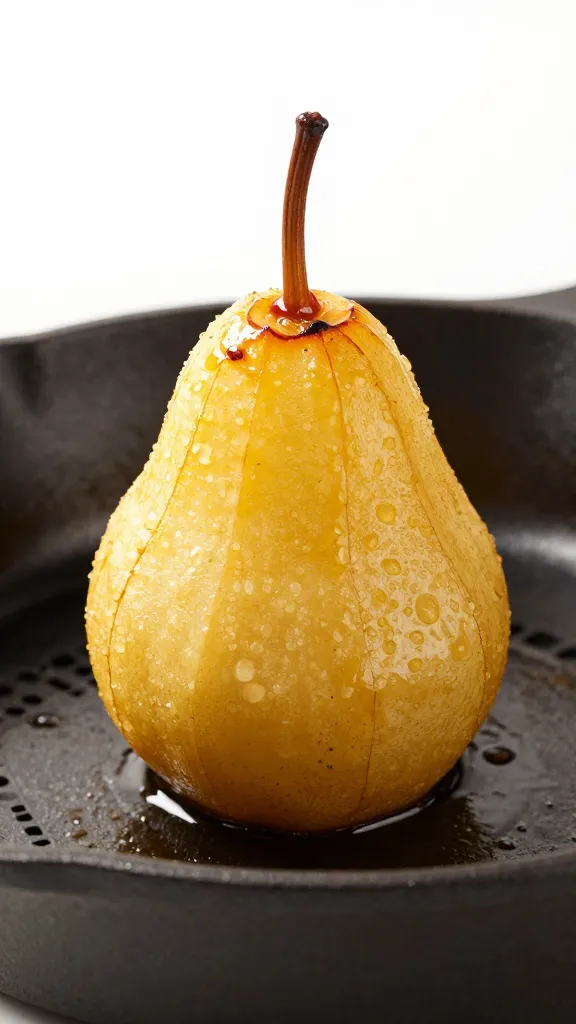
You can drop these pears into almost any dessert scenario. Or breakfast. Or snack. I don’t impose rules.
Great combos:
- With ice cream: Vanilla, cinnamon, or salted caramel.
- With dairy: Mascarpone, Greek yogurt, or whipped cream with a pinch of cardamom.
- With crunch: Toasted almonds, granola, or crumbled amaretti cookies.
- With sauce: Drizzle the pan juices and add a thread of heavy cream or warm honey.
- Breakfast mode: Slice over oatmeal with a splash of the roasting syrup. Maximum cozy.
Make It a Dinner-Party Dessert
Plate half a pear per person with a scoop of gelato, shower with chopped pistachios, and finish with a cheeky splash of the pan syrup. Add a tiny pinch of flaky salt. Everyone will clap. Or they should.
Tips for Getting That Buttery, Glossy Finish
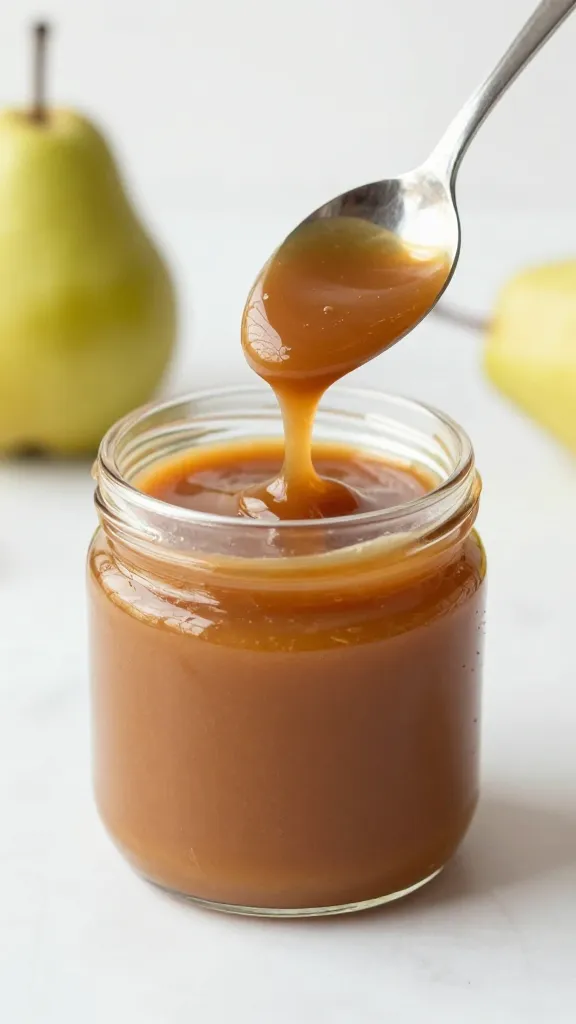
You can toss pears into the oven and hope for the best, or you can use these tiny tricks and guarantee drama (the good kind).
- Don’t skip the salt: A pinch unlocks the caramel flavor. Magic, basically.
- Use the right heat: 400°F encourages caramelization without drying them out.
- Baste like you care: Two or three spoon-bastes build that glossy coat.
- Size matters: Choose similar-sized pears so they cook evenly. FYI, mismatched pears = chaos.
- Pan choice: Metal browns faster; ceramic protects delicate fruit. Pick based on how aggressive you want the caramel.
What If Your Pears Are Rock-Hard?
Roast them covered with foil for the first 15 minutes, then uncover and continue as directed. Add an extra 10 minutes if needed and keep basting. The foil traps steam and gets things moving.
Storage, Reheating, and Make-Ahead
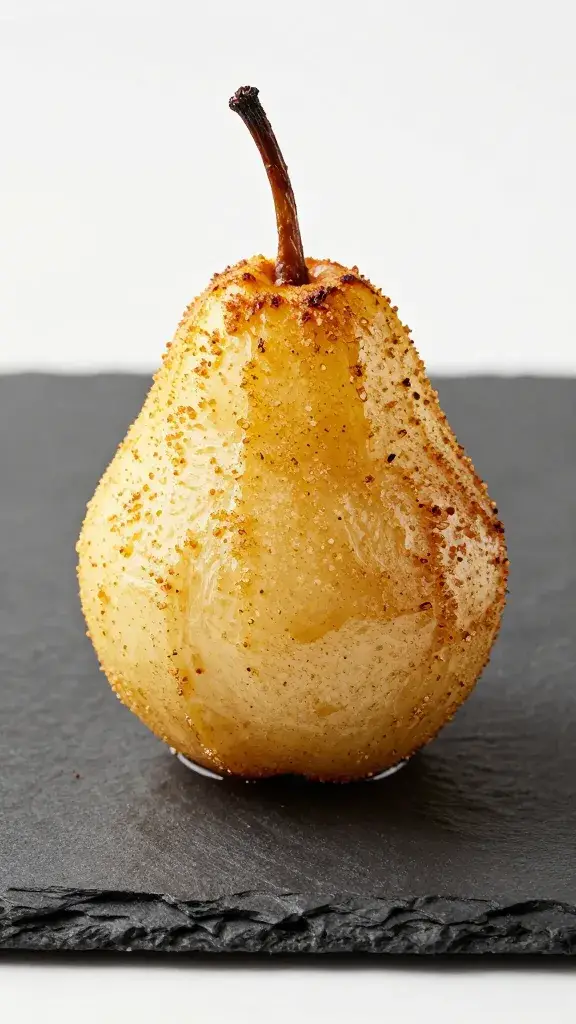
Roasted pears store well, which makes them ideal for stress-free hosting. Or stress-free Tuesday nights.
- Fridge: Keep in an airtight container with their syrup for up to 4 days.
- Reheat: Warm gently in a 300°F oven for 10–12 minutes or microwave in short bursts with a spoon of water or cream to loosen the syrup.
- Freeze? Not ideal. Texture suffers. Eat them now—you deserve nice things.
FAQ
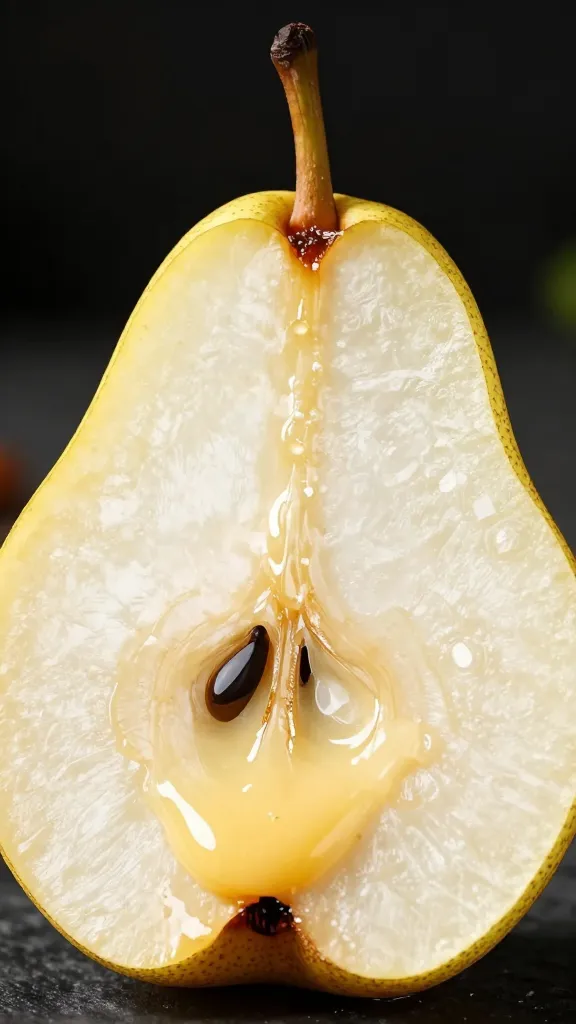
Do I need to peel pears for roasting?
Nope. The skin softens and adds color and fiber. I usually peel because the sauce soaks in better and the texture turns silkier, but if you like a little bite, keep the skins on. Either way tastes great.
Can I use less sugar?
Yes. You can cut the brown sugar to 1–2 tablespoons and add a touch more cinnamon or vanilla. Riper pears carry more natural sweetness, so adjust to taste. IMO, the butter and a tiny pinch of salt keep the flavor balanced even with less sugar.
What spices pair best with pears?
Cinnamon and vanilla form the classic duo. Cardamom, ginger, nutmeg, and allspice also love pears. For something unexpected, add a whisper of black pepper or a sprig of rosemary—it reads sophisticated without trying too hard.
How do I stop pears from turning mushy?
Pick firm-ripe pears, roast at 400°F, and check early. Flip once for even cooking, and don’t overcrowd the pan or they’ll steam. If you use very soft pears, drop the temperature to 375°F and shorten the time.
Any non-dairy options?
Absolutely. Swap butter for coconut oil or vegan butter. Maple syrup plays well with both. The flavor shifts slightly (coconut oil adds a tropical note), but the result still hits that buttery vibe, minus the actual butter.
What alcohol works best?
Bourbon brings caramel and vanilla notes, rum leans warm and molasses-y, and pear brandy boosts pear-on-pear energy. Add a splash to the butter mixture or flame it briefly in the pan if you feel theatrical. Just don’t drown the pears—two tablespoons max.
Conclusion
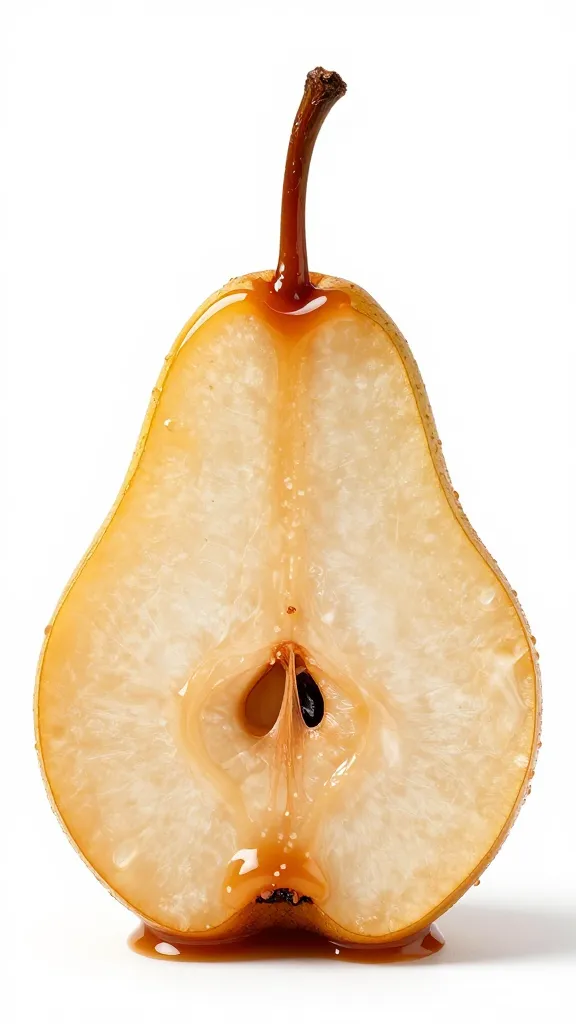
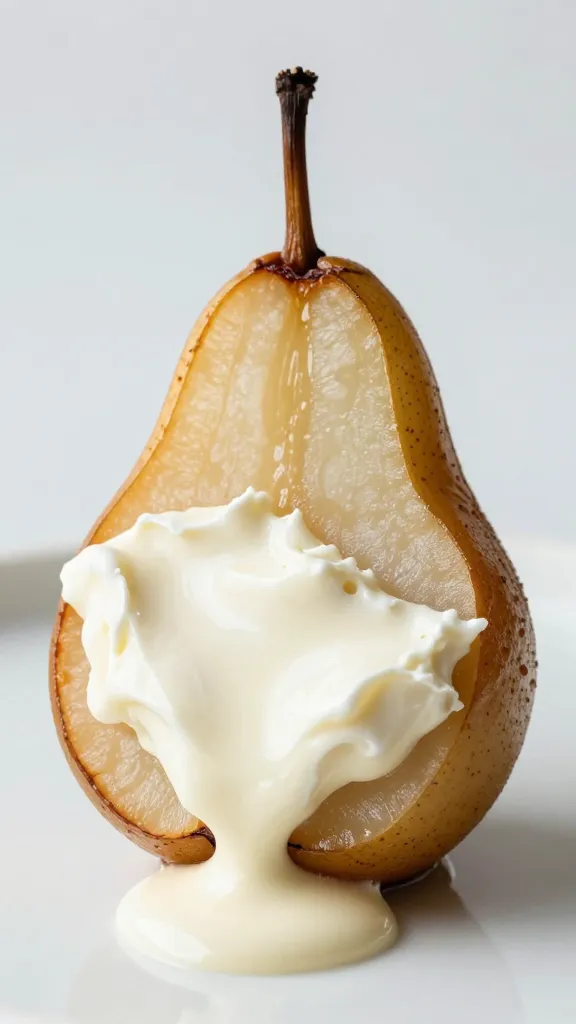
Buttery roasted pears prove that minimal effort can deliver showy, spoon-tender bliss. With the right pear, a few pantry staples, and a hot oven, you get dessert that tastes like you fussed for hours. Serve them with ice cream, yogurt, or nothing at all—they hold their own. And if anyone asks for the recipe, just smile and say, “It’s mostly butter.”