
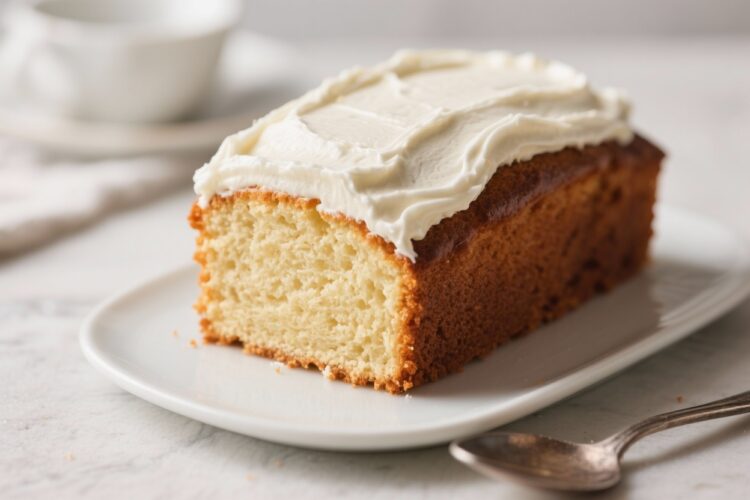
A good pound cake feels like home: simple, buttery, and surprisingly satisfying. This buttercream pound cake takes that comfort and adds an ultra-smooth texture and rich flavor. It’s the kind of cake you can serve at a family gathering or slice for a quiet afternoon coffee.
No flashy techniques, just reliable steps and a sweet, velvety crumb you’ll want to make again. If you like bakes that taste like pure butter and vanilla, this one’s for you.
What Makes This Special
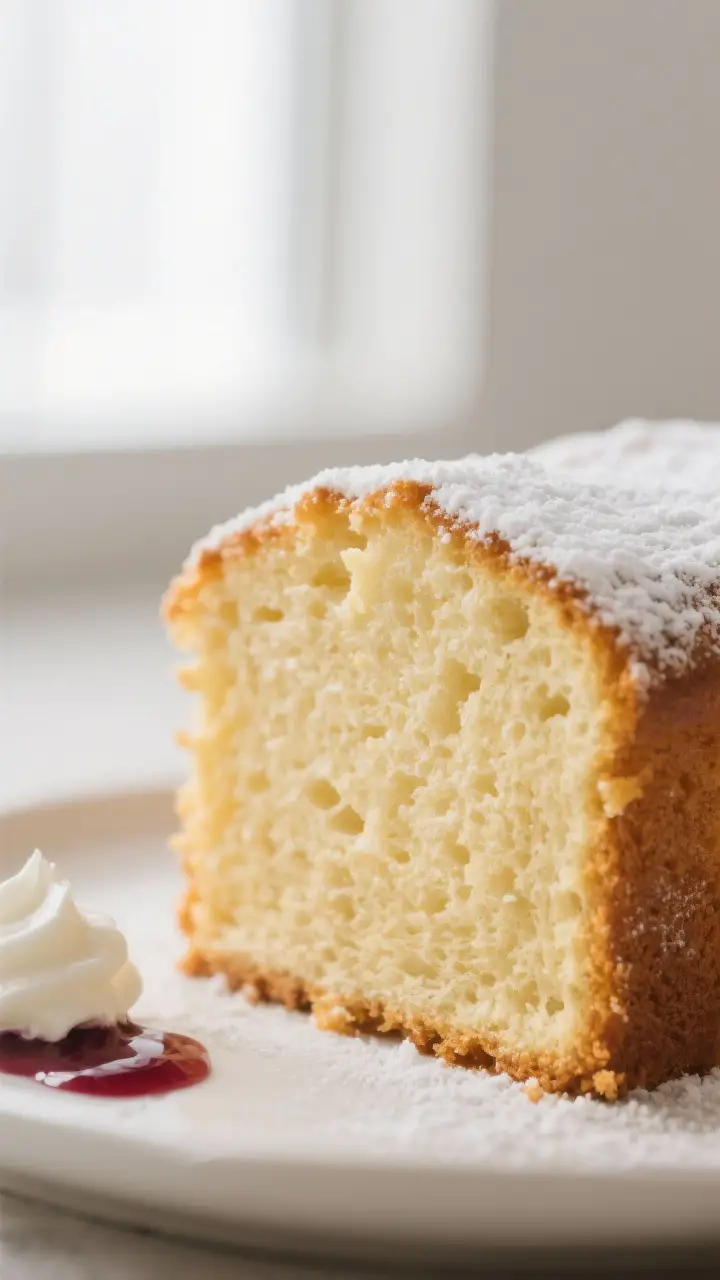
This pound cake blends the richness of traditional butter with the fluff and silkiness of buttercream-style mixing. Instead of relying on heavy frosting, the cake itself carries the lush, creamy flavor.
The result is a tight yet tender crumb that slices cleanly and stays moist for days. Another standout detail: a low-and-slow bake. That means no tough crust or dry center.
You get gentle browning, a fine texture, and an elegant, even rise. It’s the perfect base for berries, whipped cream, or a simple dusting of powdered sugar.
What You’ll Need
- Unsalted butter (room temperature): 1 cup (2 sticks)
- Granulated sugar: 1 1/2 cups
- Large eggs (room temperature): 4
- All-purpose flour: 2 cups, spooned and leveled
- Fine sea salt: 1/2 teaspoon
- Baking powder: 1 teaspoon
- Heavy cream or whole milk (room temperature): 1/2 cup
- Pure vanilla extract: 2 teaspoons
- Almond extract (optional): 1/4 teaspoon for a bakery-style note
- Powdered sugar (optional, for dusting): 2–3 tablespoons
- Pan: 9×5-inch loaf pan or a 10–12 cup bundt pan
Step-by-Step Instructions
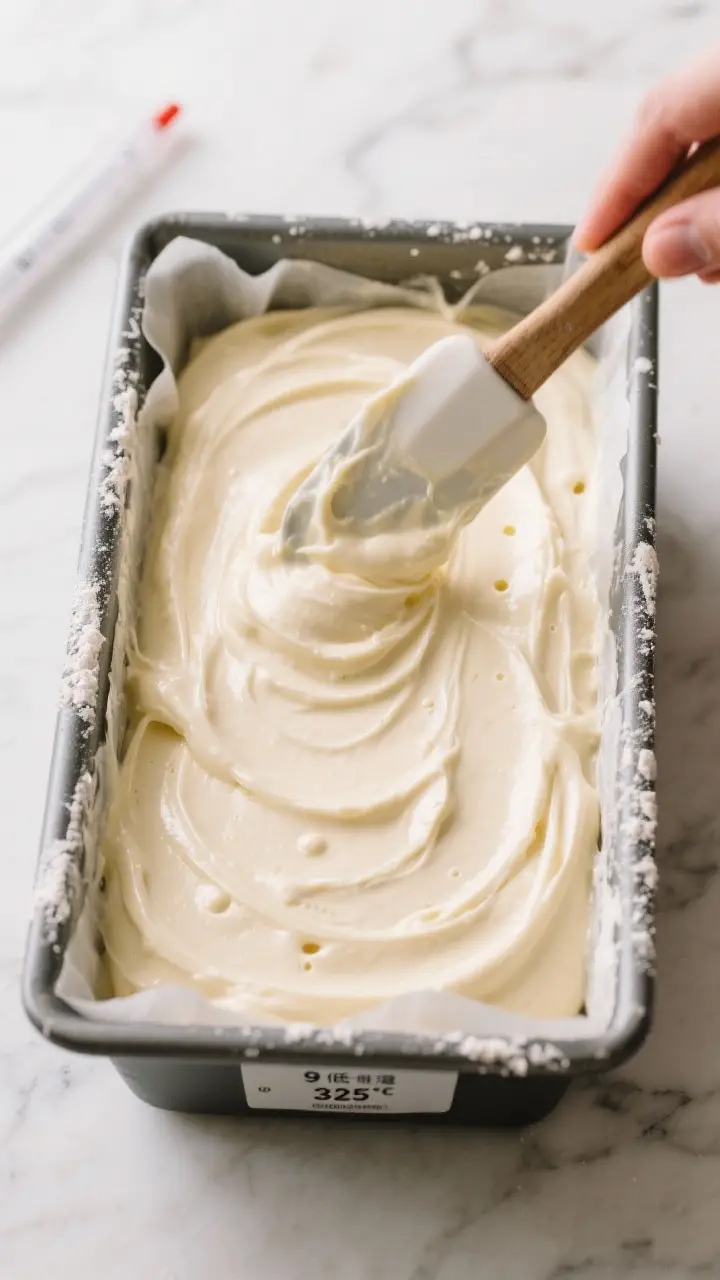
- Prep the pan and oven: Heat the oven to 325°F (165°C). Grease your pan well, then line the bottom with parchment for easy release.
Lightly flour the pan, tapping out excess.
- Combine dry ingredients: In a bowl, whisk the flour, baking powder, and salt. Set aside. Keeping these dry ingredients airy helps prevent a dense cake.
- Cream the butter and sugar: In a large bowl, beat the butter and sugar on medium speed for 3–4 minutes until pale and fluffy.
This step builds structure and gives you that plush crumb.
- Add eggs one by one: Beat in the eggs, one at a time, mixing well after each addition. Scrape the bowl as needed. You want a smooth, emulsified batter with no streaks.
- Flavor it: Mix in the vanilla and optional almond extract.
The almond is subtle but makes the cake taste “bakery-made.”
- Alternate dry and wet: Add one-third of the flour mixture, then half the cream, another third of flour, the remaining cream, and the last of the flour. Mix on low just until combined. Do not overmix.
- Load the pan: Spoon the batter into the pan and smooth the top. Tap the pan gently on the counter to release large air bubbles.
- Bake low and slow: Bake a loaf pan for 60–75 minutes, or a bundt for 55–70 minutes.
The cake is done when a skewer comes out with a few moist crumbs and the top springs back lightly.
- Cool correctly: Let the pan rest on a rack for 15 minutes, then turn the cake out. Peel off the parchment and cool completely. Cutting too early can make slices crumbly.
- Finish and serve: Dust with powdered sugar if you like.
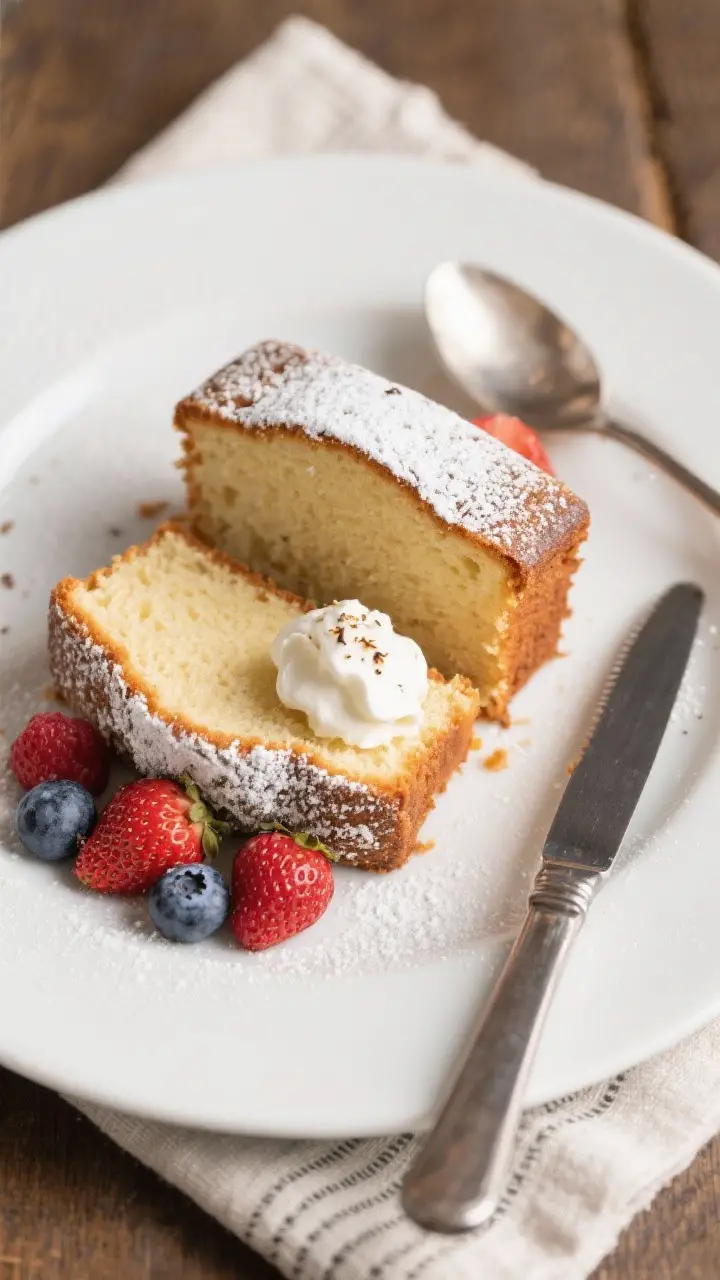
Serve plain, or with fresh berries and a spoon of whipped cream.
Keeping It Fresh
This cake keeps well thanks to the butter and cream. Store it at room temperature, wrapped or in an airtight container, for up to 3 days. For longer storage, refrigerate up to 1 week, well wrapped to prevent drying.
You can also freeze slices for up to 2 months. Wrap tightly in plastic, then foil, and thaw at room temperature before serving.
Benefits of This Recipe
- Consistent texture: The creaming method and lower bake temperature keep the crumb moist and fine.
- Simple ingredients: Everything is easy to find—no specialty flours or odd thickeners.
- Versatile base: Works for brunch, dessert, or gifting. Dress it up or keep it plain.
- Make-ahead friendly: Tastes even better the next day as flavors deepen.
- Beginner-friendly: Clear steps, forgiving bake, and minimal equipment.
What Not to Do
- Don’t rush the creaming step: Under-creamed butter and sugar lead to a heavy cake.
- Don’t overmix after adding flour: Overworking the batter develops gluten and toughens the crumb.
- Don’t bake too hot: High heat will brown the crust before the center sets.
- Don’t skip room-temperature ingredients: Cold eggs or dairy can cause curdling and uneven texture.
- Don’t slice while hot: Warm cake sheds crumbs and collapses slightly. Let it cool.
Recipe Variations
- Lemon Buttercream Pound Cake: Add 1 tablespoon lemon zest and replace 2 tablespoons of cream with fresh lemon juice.
Finish with a light lemon glaze.
- Brown Butter Version: Brown the butter, cool to room temperature until opaque, then cream with sugar. Expect a nutty, toffee-like depth.
- Vanilla Bean Upgrade: Swap the extract for 1 vanilla bean, scraped. The specks look beautiful in slices.
- Almond-Citrus Combo: Keep the almond extract and add orange zest.
Serve with macerated oranges.
- Chocolate Marble: Mix 2 tablespoons cocoa powder with 2 tablespoons hot water to make a paste. Fold a third of the batter with the paste and swirl it through the pan.
- Gluten-Free: Use a cup-for-cup gluten-free flour blend with xanthan gum. Mix gently and avoid overbaking.
FAQ
Can I use salted butter?
Yes, but reduce the added salt to a pinch.
Salted butter varies by brand, so taste the batter if you’re unsure.
Why did my cake sink in the middle?
This usually means it was underbaked or the oven temperature was off. Check doneness with a skewer in several spots and use an oven thermometer for accuracy.
Can I make this in a round cake pan?
You can use two 8-inch rounds. Start checking at 25–30 minutes.
The layers will be shorter and bake faster than a loaf or bundt.
How do I prevent a tough crust?
Bake at 325°F, place the pan in the center of the oven, and avoid dark nonstick pans if possible. A light-colored pan gives a gentler crust.
What’s the best way to measure flour?
Spoon flour into the measuring cup and level it with a knife. Packing the cup leads to too much flour and a dry cake.
Can I reduce the sugar?
You can cut up to 1/4 cup without major issues.
More than that changes the texture and moisture, making it drier.
Is it okay to use milk instead of cream?
Yes. Whole milk works well. The cake will be slightly less rich but still tender.
How do I get clean slices?
Let the cake cool completely, then use a long, sharp knife.
Wipe the blade between slices for neat edges.
Can I add fruit to the batter?
Stick to small additions like mini chocolate chips or finely chopped berries tossed in flour. Larger, juicy fruit can weigh the batter down.
What if I don’t have parchment paper?
Grease the pan thoroughly and dust with flour. You can also use a baking spray with flour included to help release.
Final Thoughts
This buttercream pound cake leans into timeless flavors and a dependable method.
The batter comes together easily, and the low temperature does most of the work for you. What you get is a smooth crumb, rich taste, and a cake that slices beautifully. Keep it simple with powdered sugar, or dress it up with berries—either way, it’s a classic you’ll want in your regular rotation.
Printable Recipe Card
Want just the essential recipe details without scrolling through the article? Get our printable recipe card with just the ingredients and instructions.