
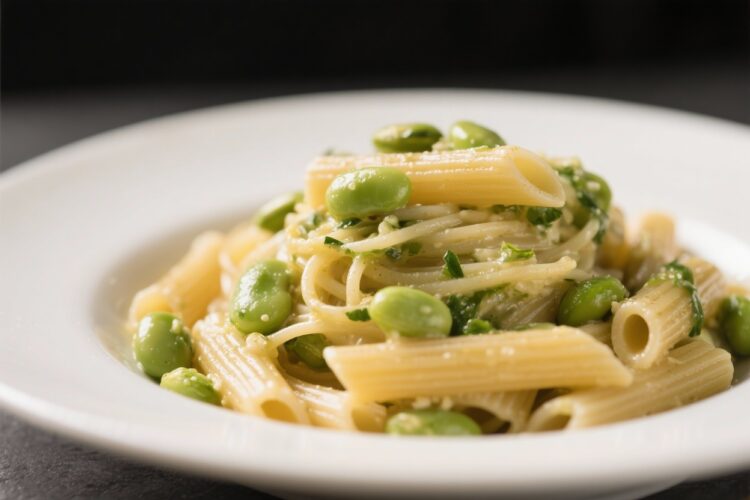
Bucatini with fresh fava beans is comfort food with a seasonal twist. It’s the kind of dish that feels both homey and special: a silky, glossy pasta sauce, pops of green, and just enough richness to keep you reaching for another bite. If you’ve never cooked with fresh favas, this is a gentle place to start.
The flavors are clean, the method is simple, and the result tastes like spring in a bowl. Pair it with a crisp white wine, and dinner is done.
What Makes This Special
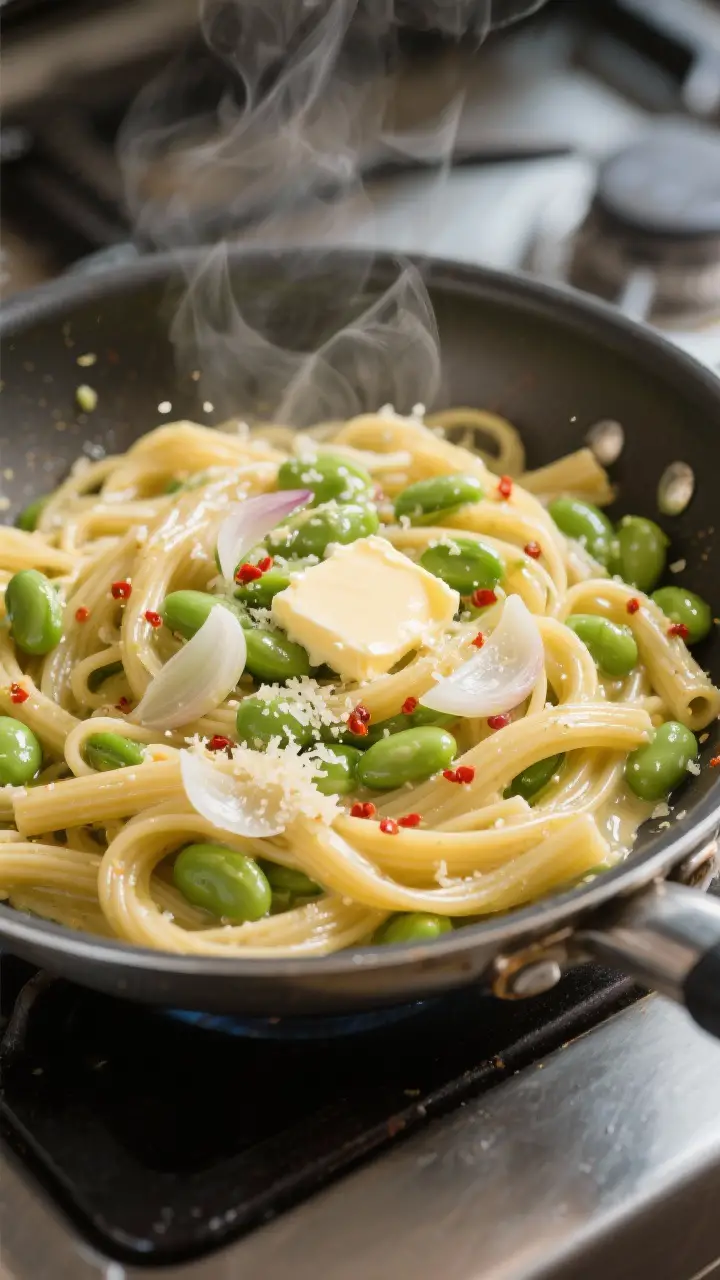
This dish leans into the natural sweetness and slight nuttiness of fresh fava beans. Bucatini—the long, hollow pasta—catches sauce inside, so every strand delivers a full burst of flavor.
A quick emulsion of olive oil, starchy pasta water, and a little butter brings everything together without heaviness. Bright notes of lemon and fresh herbs lift the dish, while a sprinkle of pecorino adds a salty edge. It’s a balance of textures and tastes that feels satisfying but not fussy.
Ingredients
- Bucatini: 12 ounces (340 g)
- Fresh fava beans (in pods): About 2 pounds (900 g), yields roughly 1 to 1½ cups shelled
- Extra-virgin olive oil: 3 tablespoons
- Unsalted butter: 2 tablespoons
- Shallot: 1 medium, finely minced
- Garlic: 2 cloves, thinly sliced
- Lemon: Zest of 1 lemon, plus 1–2 teaspoons juice
- Vegetable or light chicken stock (optional): 1/3 cup
- Pecorino Romano or Parmesan: 1/2 cup, finely grated, plus more for serving
- Fresh herbs: 2 tablespoons chopped mint and/or flat-leaf parsley
- Red pepper flakes: Pinch (optional)
- Kosher salt and black pepper: To taste
How to Make It
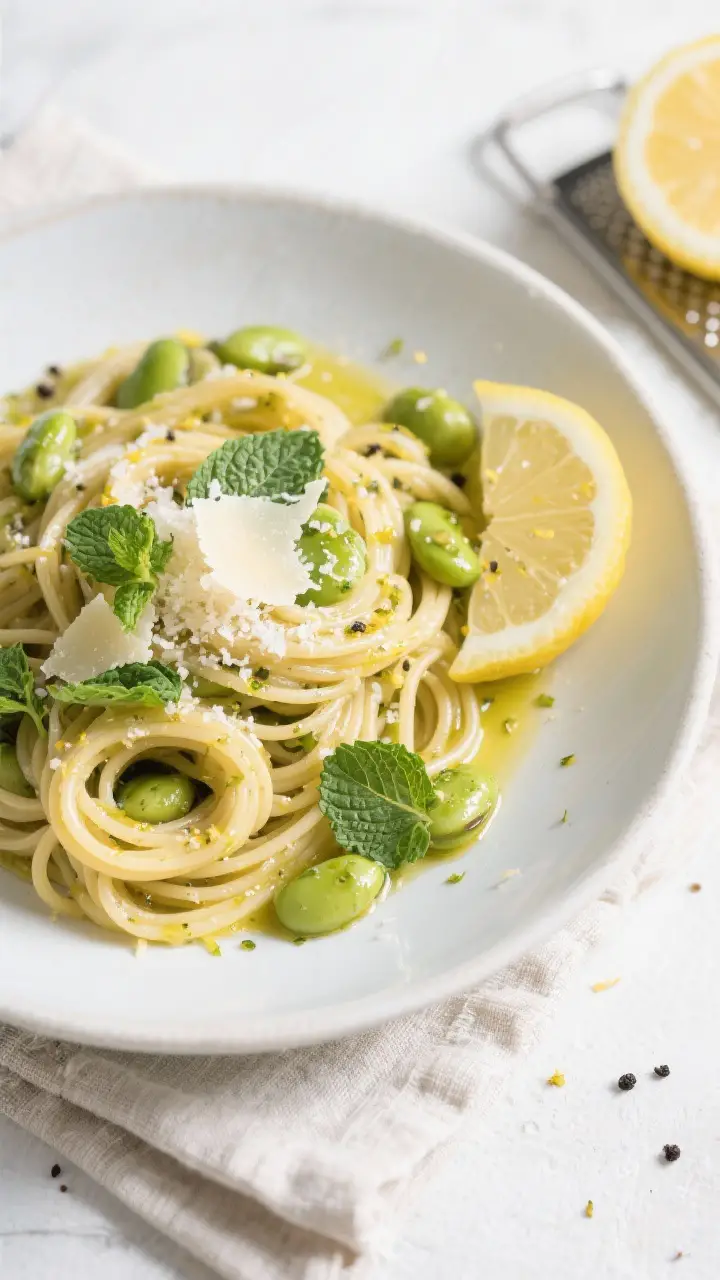
- Prep the favas: Remove beans from pods.
Bring a small pot of water to a boil and set a bowl of ice water nearby. Blanch the shelled beans for 60 seconds, then shock in ice water. Slip off the pale skins to reveal the bright green beans.
- Boil the pasta: In a large pot of generously salted water, cook bucatini until just shy of al dente.
Reserve 1–1½ cups of starchy pasta water before draining.
- Sweat the aromatics: In a wide skillet over medium heat, warm olive oil. Add shallot with a pinch of salt and cook until translucent, 2–3 minutes. Stir in garlic and a pinch of red pepper flakes and cook 30–45 seconds until fragrant.
- Coax out the sauce base: Add stock (if using) or 1/3 cup pasta water to the skillet and simmer for a minute.
Toss in the fava beans and cook gently for 2–3 minutes to warm and soften without breaking them down.
- Marry pasta and sauce: Add drained bucatini to the skillet. Toss well, adding splashes of pasta water to create a glossy coating.
- Finish with richness: Off the heat, add butter and most of the cheese. Toss quickly to emulsify into a silky sauce.
Adjust with more pasta water if needed.
- Brighten and season: Add lemon zest, a squeeze of lemon juice, and the herbs. Taste and season with salt and black pepper. The flavors should feel balanced—savory, lightly creamy, and fresh.
- Serve: Twirl into warm bowls.
Top with a little more grated cheese, a thread of olive oil, and extra herbs if you like.
Keeping It Fresh
Fresh fava beans are best when they’re plump and bright, with firm pods. If you’re prepping in advance, keep the beans in their pods in the fridge for up to three days; shell and blanch them the day you plan to cook if possible. Once blanched and peeled, favas keep well in an airtight container for up to 2 days.
To reheat leftovers, add a splash of water and a drizzle of olive oil to a skillet over medium-low heat and warm gently, just until the sauce loosens and the pasta is hot. Avoid microwaving for too long, which can make the pasta rubbery and the favas dull.
Health Benefits
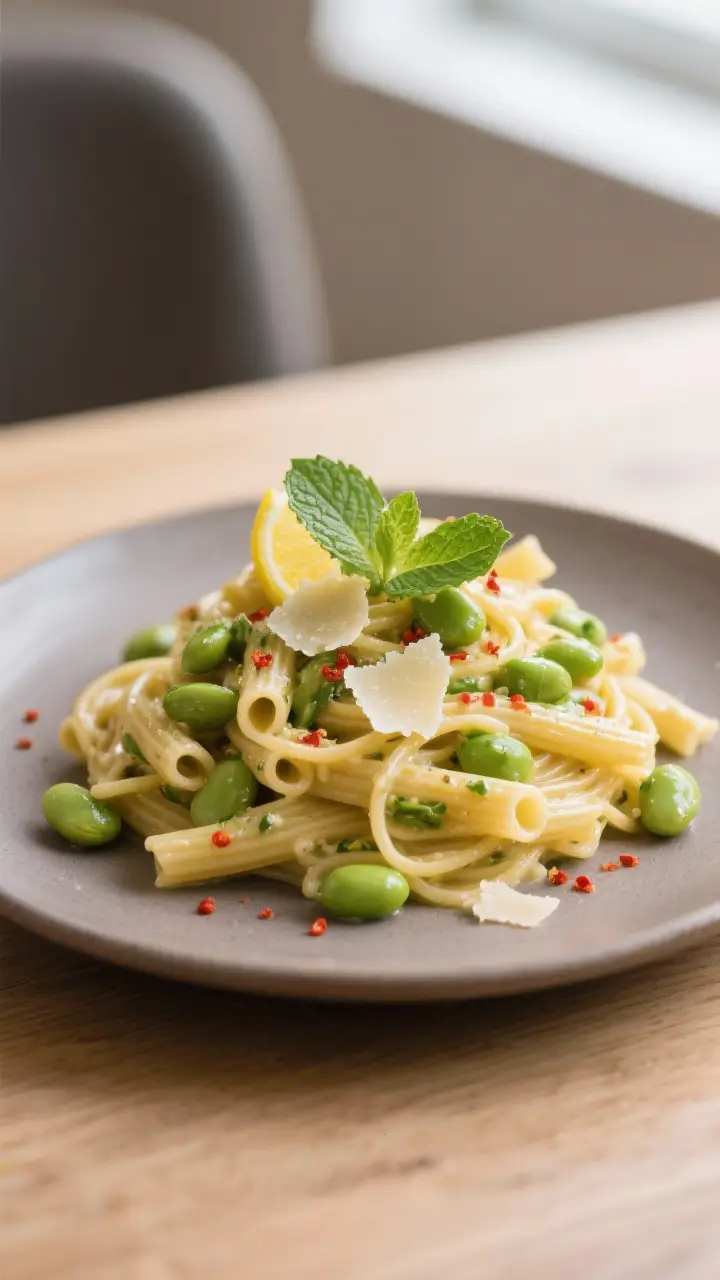
Fava beans bring plant-based protein, fiber, and folate to the table, along with minerals like iron and magnesium. That fiber supports digestion and helps keep you satisfied without piling on heavy fats.
Olive oil gives you heart-friendly monounsaturated fats, and fresh herbs add polyphenols and a burst of micronutrients. Using a moderate amount of cheese and butter keeps the dish balanced while still delivering flavor. If you need to lighten it up, you can cut the cheese slightly and lean on lemon, herbs, and extra olive oil for brightness.
Common Mistakes to Avoid
- Skipping the double peel: Don’t stop after shelling the pods.
Blanch and slip off the outer skin of each bean for the best texture and color.
- Overcooking the favas: They turn mealy if cooked too long. Warm them gently in the sauce and keep their bite.
- Forgetting pasta water: That starchy liquid is your friend. It helps create a silky emulsion and prevents a greasy or dry sauce.
- Adding cheese over strong heat: Take the pan off the heat before stirring in cheese to avoid clumping and graininess.
- Underseasoning: Favas are subtle.
Taste as you go and balance salt, lemon, and cheese for a clean, layered flavor.
Alternatives
- Pasta swaps: Spaghetti, linguine, or casarecce work well if you can’t find bucatini.
- Bean substitutes: Out of season? Use frozen fava beans or edamame. English peas are also lovely, though sweeter.
- Dairy adjustments: For a lighter take, skip butter and increase olive oil slightly.
For a richer version, add a spoon of mascarpone off heat.
- Herb variations: Mint is classic with favas, but basil, chives, or tarragon can shift the profile in fun ways.
- Protein add-ins: Crisp pancetta or guanciale adds smoky depth. For a seafood twist, fold in seared shrimp at the end.
- Citrus changes: Try Meyer lemon for a softer sweetness or a touch of grated orange zest for warmth.
- Gluten-free: Use a good-quality gluten-free bucatini or spaghetti. Be gentle when tossing, as some GF pastas break easily.
FAQ
Do I have to double peel the fava beans?
Yes, if you want the best texture.
The outer skin can be tough and slightly bitter. Blanching and slipping it off takes a few extra minutes and makes a big difference.
Can I make this without cheese?
Absolutely. Increase the olive oil slightly and use more lemon zest and herbs.
A spoonful of nutritional yeast can add a savory note if you like.
What if I can’t find fresh favas?
Frozen favas are a great backup. Thaw, blanch briefly if needed, and peel if they still have skins. Edamame or peas are easy stand-ins with a slightly different flavor.
How can I scale this for a crowd?
Cook the pasta in batches and combine everything in a large Dutch oven or roasting pan.
Warm plates and serve immediately so the sauce stays silky.
Can I make it ahead?
You can prep the beans, chop aromatics, and grate cheese in advance. Cook the pasta and finish the sauce right before serving for the best texture.
Is there a vegan version?
Yes. Skip the butter and cheese, use extra olive oil, and finish with lemon, herbs, and toasted breadcrumbs for crunch.
A splash of miso in the sauce adds savory depth.
In Conclusion
Bucatini with fresh fava beans is simple cooking that feels special. With a handful of ingredients and a few smart steps—double-peeling the beans, saving pasta water, and finishing off the heat—you get a bright, silky bowl of pasta that celebrates the season. Keep it as is for a light dinner, or add your favorite twist from the alternatives.
Either way, it’s a recipe you’ll want to keep in your spring rotation.