
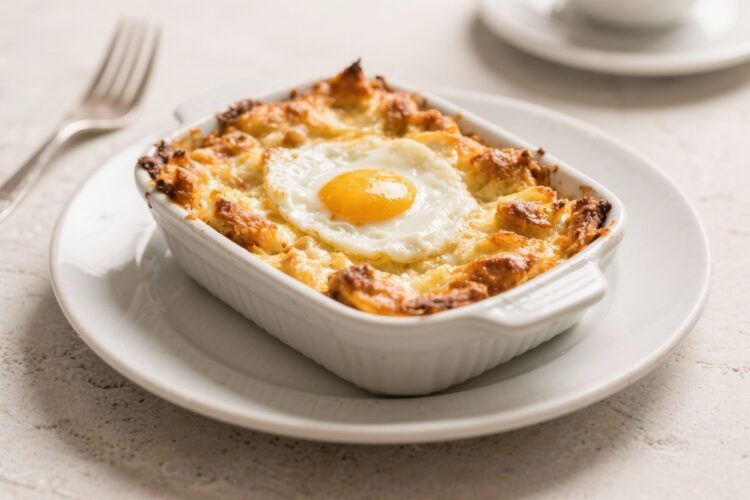
A hearty breakfast casserole can turn an ordinary morning into something easy and memorable. It’s simple to assemble, feeds a crowd, and makes your kitchen smell like comfort. Whether you’re hosting brunch, prepping for a busy week, or just want something warm and satisfying, this dish has you covered.
The best part is that you can tailor it to what you like: more veggies, different cheeses, or a little kick of spice. It’s the kind of recipe you’ll make once and then keep in your back pocket forever.
What Makes This Special

This breakfast casserole stands out because it’s flexible and reliable. You can prepare it the night before, so the morning is stress-free.
It’s also a great way to use up odds and ends in your fridge—stale bread, leftover sausage, or a handful of greens. The result is a golden, custardy bake with a crisp top and tender center. It’s the kind of dish that feels special without asking too much from you.
Ingredients
- 8 large eggs
- 2 cups whole milk (or 1.5 cups milk + 0.5 cup cream for extra richness)
- 6 cups cubed bread (day-old sourdough, country loaf, or brioche; 1-inch cubes)
- 1 pound breakfast sausage (pork or turkey), casings removed
- 1 medium onion, diced
- 1 red bell pepper, diced
- 2 cups shredded cheese (cheddar, Monterey Jack, or a blend)
- 1 cup chopped spinach or kale (optional)
- 2 cloves garlic, minced
- 1 teaspoon kosher salt, plus more to taste
- 1/2 teaspoon black pepper
- 1/2 teaspoon smoked paprika (optional for a subtle smoky note)
- 1/4 teaspoon crushed red pepper flakes (optional for heat)
- 2 tablespoons olive oil or butter
- Chopped fresh parsley or chives, for garnish
Instructions

- Prep the pan: Grease a 9×13-inch baking dish with butter or spray.
Set aside.
- Toast the bread: If your bread is very fresh, spread the cubes on a sheet pan and bake at 300°F (150°C) for 10–12 minutes until lightly dry. This helps the casserole set better.
- Cook the sausage: In a large skillet over medium heat, cook the sausage, breaking it up with a spoon, until browned and cooked through, about 6–8 minutes. Transfer to a plate lined with paper towels.
- Sauté the veggies: In the same skillet, add olive oil or butter.
Cook the onion and bell pepper with a pinch of salt until soft, 5–6 minutes. Stir in garlic for 30 seconds. If using spinach or kale, add and cook until wilted, 1–2 minutes.
- Whisk the custard: In a large bowl, whisk eggs, milk (and cream if using), salt, pepper, smoked paprika, and red pepper flakes until smooth.
- Layer it up: Add bread cubes to the baking dish.
Scatter the sausage and sautéed veggies over the top. Sprinkle 1.5 cups of cheese evenly.
- Pour and soak: Slowly pour the egg mixture over the dish, pressing down lightly to help the bread absorb. Top with the remaining 0.5 cup cheese.
- Rest or chill: Let it sit for at least 15 minutes to soak.
For best results, cover and refrigerate overnight. This deepens flavor and ensures a custardy interior.
- Bake: Preheat oven to 350°F (175°C). If chilled, let the dish sit at room temperature for 20–30 minutes.
Bake uncovered for 40–50 minutes, until puffed, golden, and the center is set. A knife inserted in the middle should come out nearly clean.
- Finish and serve: Rest for 10 minutes. Garnish with chopped parsley or chives.
Slice and serve warm.
Keeping It Fresh
Leftovers keep well if stored properly. Let the casserole cool, then cover tightly or transfer to an airtight container. It will keep in the fridge for 3–4 days.
For freezing, slice into portions, wrap well, and freeze for up to 2 months. Reheat covered in a 300°F (150°C) oven until warm, or microwave in short bursts. To retain moisture, add a small splash of milk or cover with foil when reheating in the oven.

Health Benefits
A breakfast casserole can be balanced and satisfying.
The eggs provide high-quality protein and essential nutrients like choline. Vegetables add fiber and vitamins, while dairy brings calcium and additional protein. If you choose turkey sausage or lean chicken sausage, you’ll reduce saturated fat without losing flavor.
You can also lighten it by using half skim milk or swapping part of the cheese for a sharper variety so you can use less. Adding greens like spinach or kale boosts iron and folate. It’s a complete, stick-to-your-ribs breakfast that can be tailored to different dietary needs.
What Not to Do
- Don’t skip drying the bread if it’s fresh.
Wet bread leads to a soggy casserole.
- Don’t overbake. It can dry out quickly once set. Pull it when the center is just firm.
- Don’t overload with watery vegetables (like tomatoes or mushrooms) without pre-cooking.
Sauté them first to drive off moisture.
- Don’t under-season. The custard needs enough salt and spice to flavor the entire dish.
- Don’t slice immediately. A short rest helps the custard settle and slice cleanly.
Alternatives
- Meat-free: Skip the sausage and use sautéed mushrooms, spinach, and roasted sweet potatoes.
Add a pinch of thyme for warmth.
- Gluten-free: Use gluten-free bread or swap in cooked potatoes or hash browns. Make sure to squeeze excess moisture from thawed hash browns.
- Dairy-free: Use unsweetened almond or oat milk and a dairy-free cheese that melts well. Add nutritional yeast for a cheesy hint.
- Spicy Southwest: Use chorizo, pepper jack cheese, green chiles, and a sprinkle of cumin.
Serve with salsa and avocado.
- Mediterranean: Swap sausage for crumbled turkey or omit it. Add sun-dried tomatoes, spinach, olives, and feta.
- Low-carb: Replace bread with sautéed cauliflower florets or roasted broccoli. Bake until set, as they won’t absorb liquid like bread.
FAQ
Can I make this the night before?
Yes.
Assemble, cover, and refrigerate overnight. Let it sit at room temperature for about 20–30 minutes before baking so it cooks evenly.
What kind of bread works best?
Use sturdy, slightly dry bread like sourdough, French bread, or brioche. Avoid very soft sandwich bread unless you toast it first.
How do I know when it’s done?
The edges should be puffed and golden, and the center should be set but still tender.
A knife inserted near the center should come out mostly clean with no runny egg.
Can I use egg whites only?
You can, but the casserole will be less rich. Try 10–12 egg whites plus 2 whole eggs for structure and flavor.
What cheese melts best?
Cheddar, Monterey Jack, and mozzarella melt smoothly. A mix of sharp cheddar and a melty cheese gives good flavor and texture.
How do I prevent sogginess?
Dry the bread, sauté watery veggies, and let the mixture soak so the bread absorbs the custard.
Bake until just set, then rest before slicing.
Can I double the recipe?
Yes. Use two 9×13 pans or a larger roasting pan. Increase baking time slightly and rotate the pans halfway through for even cooking.
Is this good for meal prep?
Definitely.
Bake once, portion into containers, and reheat during the week. It holds texture and flavor well with proper storage.
In Conclusion
A breakfast casserole is the simple, comforting answer to busy mornings and easy entertaining. It’s flexible, forgiving, and always welcome at the table.
With a few smart steps—dry bread, well-seasoned custard, and a proper rest—you get a golden, satisfying bake every time. Make it your own, keep a few slices in the freezer, and enjoy a warm, ready-to-go breakfast whenever you need it.

Printable Recipe Card
Want just the essential recipe details without scrolling through the article? Get our printable recipe card with just the ingredients and instructions.