
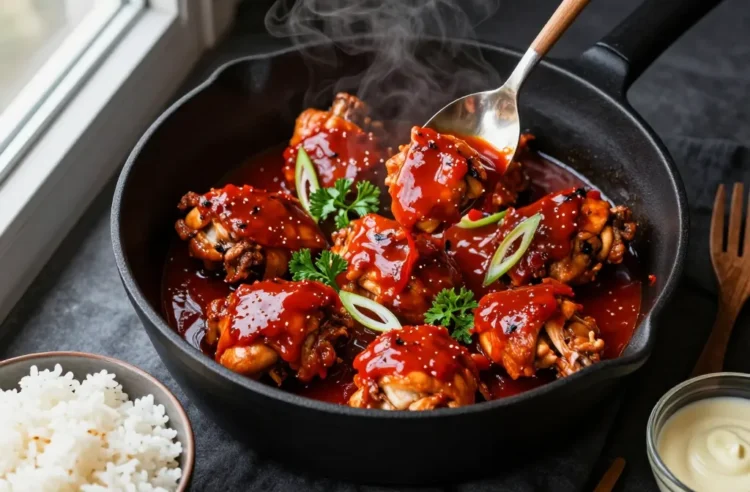
You’ve got chicken, a bottle of Catalina dressing, and a craving for something that tastes like you spent all day on it—but you didn’t. Braised Catalina Chicken brings big, glossy, sweet-tangy energy with minimal fuss. It’s weeknight-friendly, date-night presentable, and, FYI, the leftovers slap. Ready to turn a “what’s for dinner?” into “please make this again”?
So… What Exactly Is Braised Catalina Chicken?
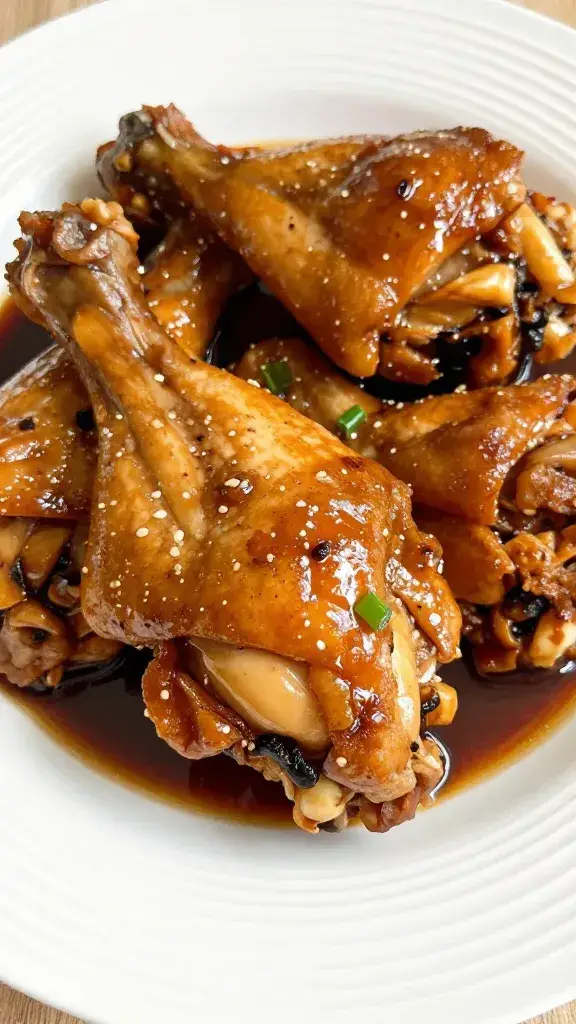
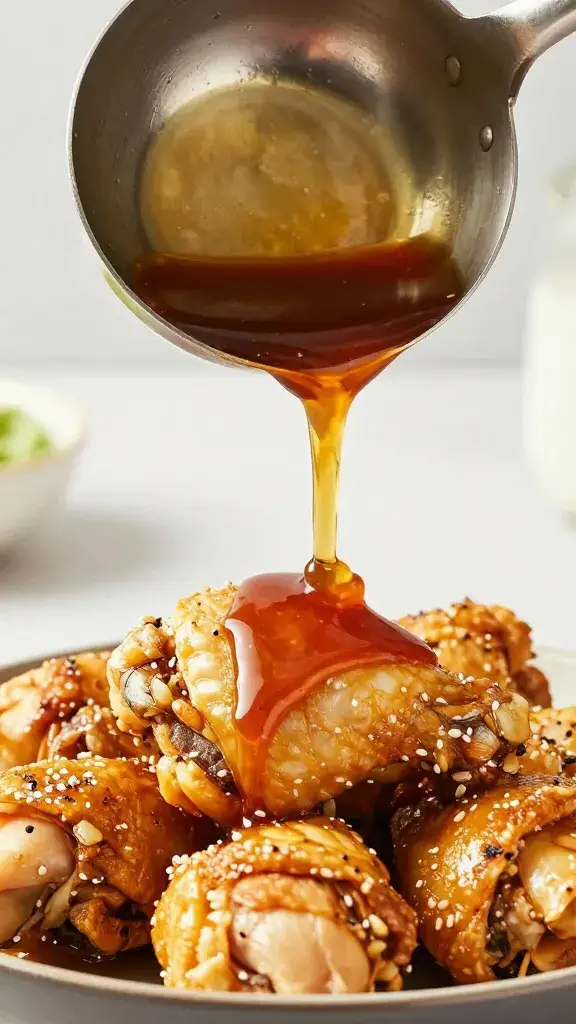
Think succulent chicken simmered low and slow in a ruby-red sauce that’s equal parts sweet, tangy, and savory. Catalina dressing (that zippy, slightly sweet salad dressing) does the heavy lifting, and you round it out with pantry legends like onion soup mix, garlic, and a splash of stock. The braise turns the sauce glossy and the chicken ultra tender. You’ll spoon it over rice, mashed potatoes, or roasted veggies and feel like a culinary magician.
Short version: it’s comfort food with a little sass and a ton of flavor.
Why Catalina Works (And Why You’ll Crave It)
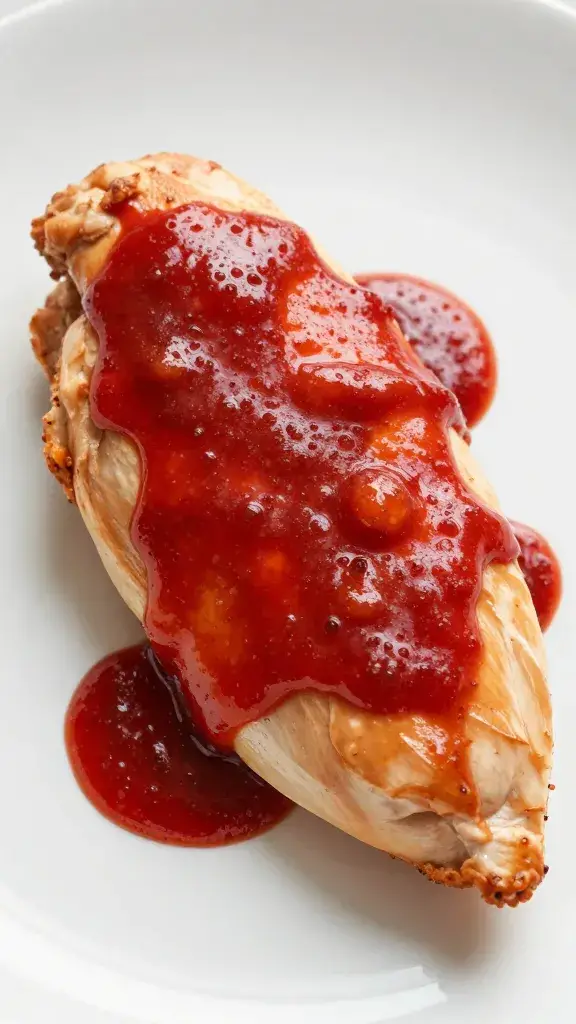
Let’s talk flavor math. Catalina dressing brings:
- Sweetness: from sugar or corn syrup that caramelizes as it braises
- Acid: vinegar that keeps the sauce lively, not cloying
- Tomato + spice: a subtle base that plays incredibly well with onion and garlic
Add aromatics and umami, and the sauce hugs the chicken in all the right ways. The braise concentrates everything, so you end up with a sticky, spoonable glaze that tastes like you deglazed with wizard tears (IMO).
Homemade vs. Store-Bought Catalina
Use what you’ve got. Store-bought keeps things easy. Homemade gives you control over sweetness and spice. If you DIY:
- 1/2 cup ketchup
- 1/4 cup red wine vinegar
- 1/3 cup neutral oil
- 2 tbsp sugar or honey
- 1 tsp Worcestershire
- 1/2 tsp paprika + a pinch of cayenne
- Salt and pepper to taste
Blend until smooth. Done.
The Playbook: How to Braise Catalina Chicken Like a Pro
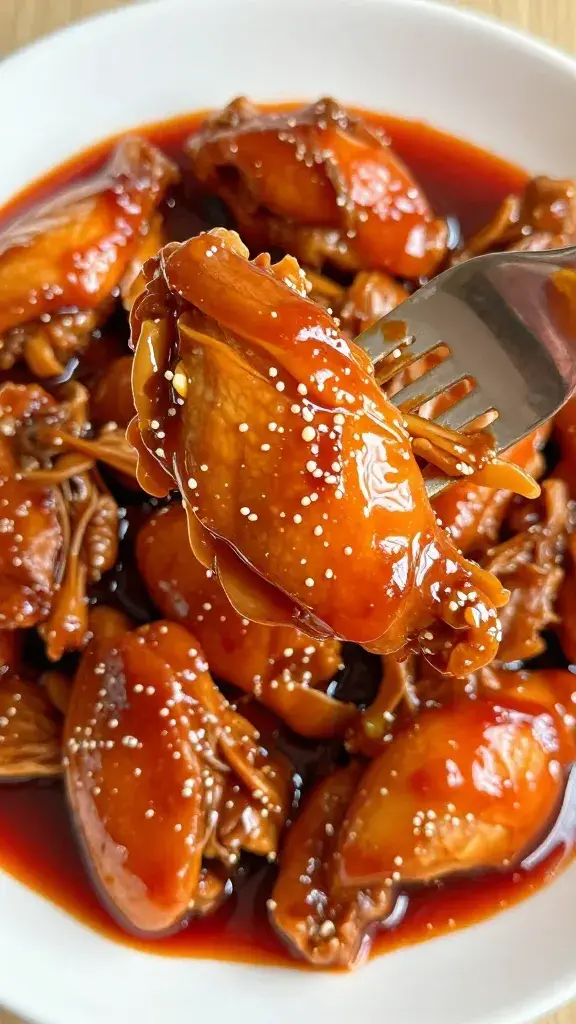
Here’s the move-by-move, no overthinking required.
- Choose your chicken: Bone-in, skin-on thighs give you unbeatable juiciness. Drumsticks work too. Boneless thighs also shine. Breasts? Possible, but watch the cook time.
- Season and sear: Pat dry. Season generously with salt, pepper, and paprika. Sear in a hot, oven-safe skillet with a little oil until browned on both sides. Don’t cook through—just get that color.
- Sweat aromatics: Pull the chicken out. Add sliced onion and minced garlic to the pan. Sauté until soft and fragrant, scraping up all those good bits.
- Build the sauce: Stir in 1 cup Catalina dressing, 1/2 cup chicken stock, and 1 tbsp tomato paste. Optional but killer: 1 tbsp soy sauce or Worcestershire for extra umami. Taste and adjust—need more acid? A splash of vinegar. Too sharp? A drizzle of honey.
- Braise: Nestle chicken back in. Cover and transfer to a 325°F (165°C) oven for 35–45 minutes (thighs) until tender and 175°F+ internally. Boneless thighs will finish in ~25–30 minutes.
- Glaze finish: Uncover for the last 10 minutes to let the sauce reduce and gloss up. If it looks thin, simmer on the stove for a few minutes after you pull the chicken.
- Rest and serve: Let it sit 5–10 minutes. Sauce thickens slightly and clings better. Garnish with chopped parsley or scallions if you want to look fancy.
Pro tip: Don’t drown the chicken. The braising liquid should come about halfway up the pieces. You want both simmer and steam, not a poach party.
Quick Skillet Version
Short on time? Skip the oven. Simmer covered on low for 20–25 minutes (boneless thighs) or 30–35 (bone-in), then reduce the sauce uncovered. Still delicious, fewer dishes.
Ingredient Upgrades That Make a Big Difference
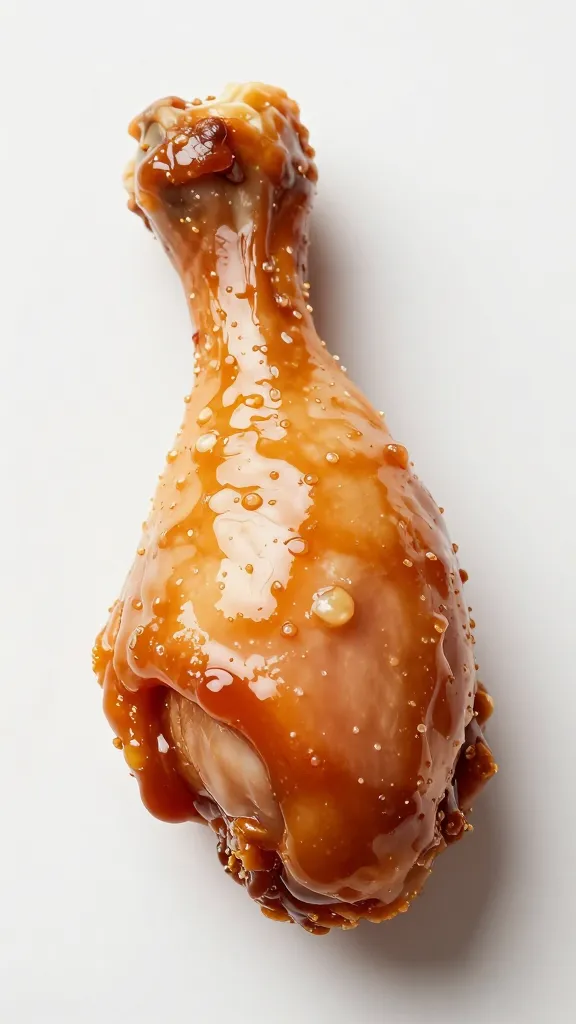
Little tweaks, huge payoffs.
- Onion soup mix: Stir in 1–2 tsp for savory depth. It’s a ’70s casserole move that still slaps.
- Smoked paprika: Adds warmth and a subtle BBQ vibe.
- Apricot jam: 1–2 tbsp for that sweet-fruity glaze moment.
- Chili crunch or red pepper flakes: For heat lovers. Catalina + spice = chef’s kiss.
- Orange zest: A little brightness in the last 5 minutes wakes the whole dish up.
What About Veggies?
Slide veg into the party so dinner feels complete.
- Bell peppers and onions: Classic, sweet, and happy to bathe in sauce
- Carrots: Cut into coins or batons; they get tender and glossy
- Green beans: Toss in for the last 10–12 minutes so they keep some snap
- Mushrooms: Brown first to avoid sogginess
What to Serve It With (Because Sides Matter)
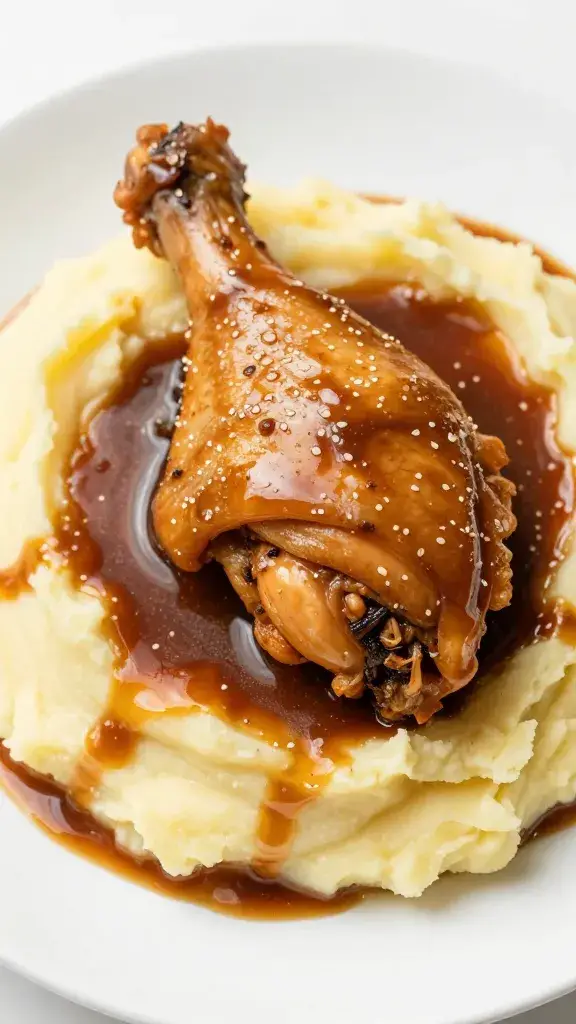
You built a gorgeous sauce—give it a worthy canvas.
- Rice: Jasmine or basmati soaks everything up beautifully
- Mashed potatoes: Rich, creamy, slightly indulgent—no regrets
- Buttered egg noodles: Nostalgic and perfect
- Roasted cauliflower: If you want something lighter but still sauce-friendly
- Garlic bread: Not traditional, but you’ll fight me after you try it (IMO)
Wine and Drink Pairings
Keep it easy:
- Pinot Noir: Light red, handles sweet-tangy like a champ
- Riesling (off-dry): Mirrors the sweetness without clashing
- Ginger beer (non-alcoholic): Spicy bubbles vs. glossy sauce = fun
Make-Ahead, Storage, and Leftover Magic
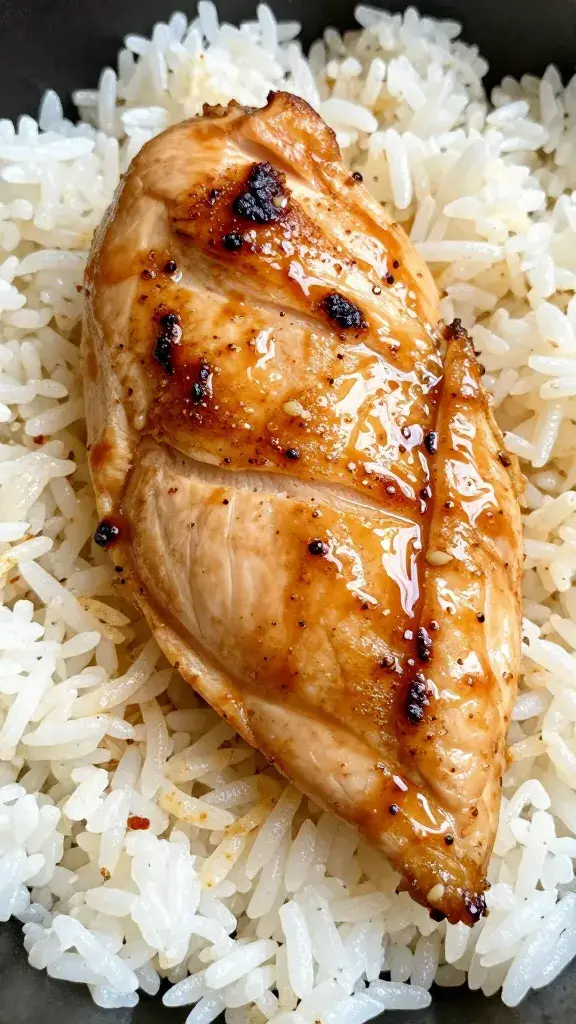
I love next-day Catalina chicken. The flavors chill out and marry, like a rom-com montage in your fridge.
- Make-ahead: Braise a day in advance. Cool, cover, and chill. Reheat gently on the stove with a splash of stock.
- Fridge: 3–4 days, airtight container.
- Freezer: Up to 3 months. Thaw overnight in the fridge, then reheat low and slow.
Leftover upgrades:
- Shred and stuff into tacos with cabbage slaw and lime
- Layer over polenta with roasted broccoli
- Slice and toss with warm couscous, olives, and herbs
Troubleshooting: Save-Your-Dinner Tips
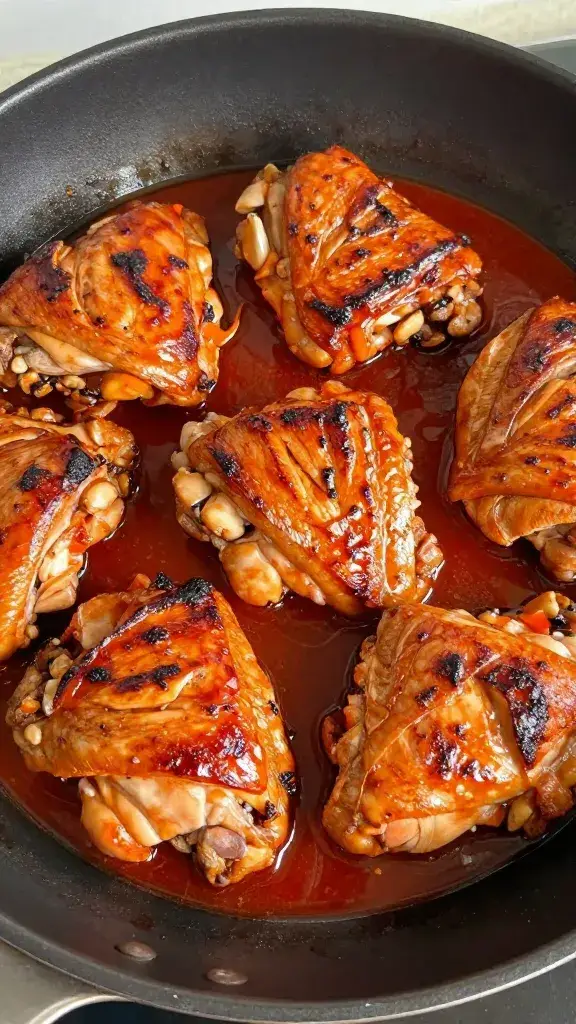
Things happen. You’re still in control.
- Sauce too sweet? Add 1–2 tsp red wine vinegar or lemon juice. A pinch of salt helps too.
- Sauce too thin? Simmer uncovered. Or whisk 1 tsp cornstarch with 1 tbsp water, stir in, and bubble for 1 minute.
- Chicken not browning? Your pan’s crowded. Brown in batches for proper sear.
- Breasts turned dry? Braise breasts only until 160°F, then rest. Or switch to thighs next time—your taste buds will thank you.
FAQ
Can I use chicken breasts instead of thighs?
Yes, but watch the clock. Sear quickly, then braise just until the thickest part hits 160°F. Rest 5–10 minutes so carryover brings it to 165°F. Thighs give you more forgiveness and richer flavor, FYI.
Is Catalina the same as French dressing?
They’re cousins. Both taste sweet and tangy, but Catalina usually runs brighter red with a lighter, zingier vibe. If you only have French, use it—just tweak with a splash of vinegar if it tastes too mellow.
Do I need to brown the chicken first?
You don’t need to, but you absolutely should. Browning builds flavor and texture, and it sets you up for a richer sauce. Skipping the sear cuts time but also cuts depth.
How spicy is this dish?
On its own, not spicy. It leans sweet-tangy. Want heat? Add red pepper flakes, a pinch of cayenne, or a spoon of chili crisp. Start small—you can always add more.
Can I cook this in a slow cooker?
Totally. Sear the chicken first (worth it), then transfer to the slow cooker with onions, garlic, Catalina, and stock. Cook on low for 4–5 hours (thighs) or until tender. Reduce the sauce on the stove at the end if it’s thin.
What vegetables pair best inside the braise?
Onions and peppers top the list. Carrots, mushrooms, and green beans also behave well, with green beans added later so they don’t overcook. Aim for hearty veggies that hold up to simmering.
Final Thoughts
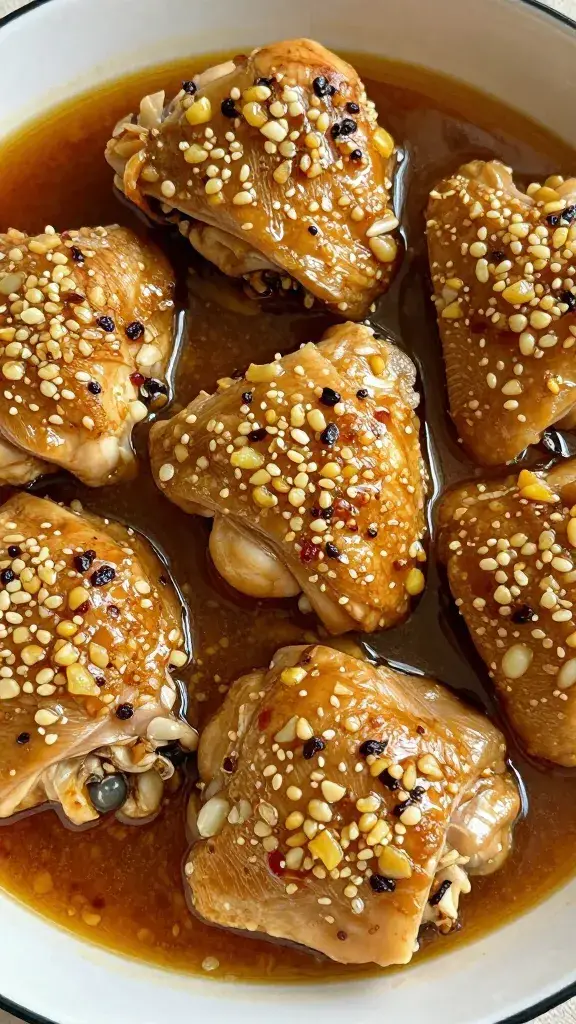

Braised Catalina Chicken hits that rare sweet spot: bold flavor, chill effort, and tons of flexibility. You sear, you simmer, you serve something that looks way fancier than it is. Play with heat, add a jammy twist, toss in veggies—make it yours. And when the sauce glazes your plate and disappears under a pile of rice? That’s dinner doing its job, IMO.