

Biryani tastes unforgettable when the spices are just right. That rich aroma, deep flavor, and warm color come from a carefully balanced masala. Making your own biryani masala at home is simpler than it seems, and the results are far better than most store-bought blends.
You control freshness, heat, and fragrance. With a few whole spices and a quick roast-and-grind, you’ll have a versatile mix that works with chicken, lamb, fish, vegetables, or paneer.
Why This Recipe Works
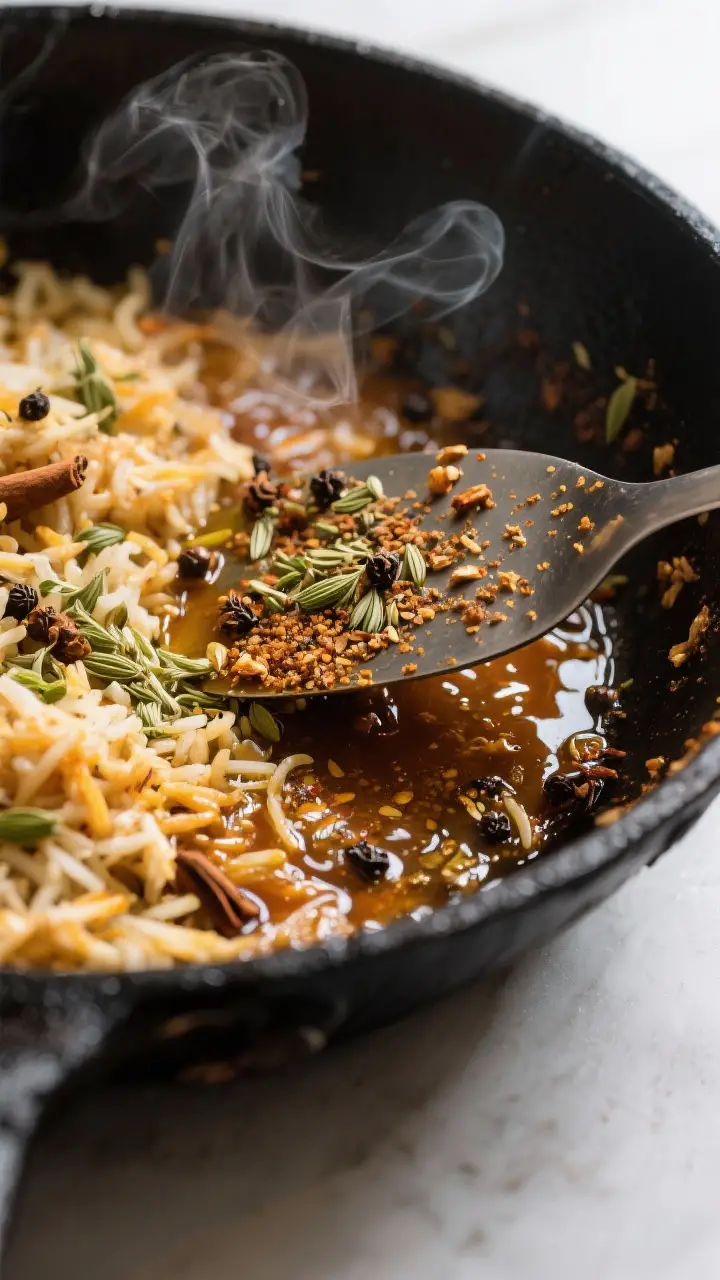
This biryani masala focuses on balance: warm earthiness from cumin and coriander, sweetness from fennel and cinnamon, floral notes from star anise and mace, and a touch of heat from black pepper and dried chilies. Lightly toasting whole spices boosts their oils and intensifies aroma without bitterness.
Grinding them fresh keeps the flavor vivid and complex.
The blend avoids overwhelming flavors so it layers well with ginger, garlic, and herbs. It’s versatile, consistent, and designed to perform whether you’re making Hyderabad-style dum biryani or a simple weeknight mixed veg biryani.
What You’ll Need
- Coriander seeds: 4 tablespoons
- Cumin seeds: 2 tablespoons
- Fennel seeds: 1 tablespoon
- Black peppercorns: 1 tablespoon
- Green cardamom pods: 12–14 pods
- Black cardamom pods: 2 pods (for a smoky, deep base)
- Cloves: 10–12
- Cinnamon stick (true Ceylon if possible): 2 inches
- Bay leaves: 2 medium
- Star anise: 2 whole
- Mace blades: 2
- Nutmeg: 1/4 of a whole nutmeg or 1/2 teaspoon grated
- Dried red chilies: 2–3, stemmed (adjust for heat)
- Optional boosters: 1 teaspoon caraway/black cumin (shahi jeera), 1 teaspoon dried rose petals, 1 teaspoon dried kewra essence powder (if available)
Equipment: Heavy skillet, spice grinder or high-powered blender, airtight jar, and a small sieve (optional for ultra-fine powder).
Step-by-Step Instructions

- Sort and measure. Gather all whole spices. Check for stones, husks, or debris and discard them.
- Dry roast gently. Heat a heavy skillet over low-medium heat.
Add coriander, cumin, fennel, peppercorns, cardamom (both types), cloves, cinnamon, bay leaves, star anise, mace, and dried chilies. Stir constantly for 3–5 minutes until aromatic and slightly darker. Do not let them smoke or blacken.
- Add delicate spices last. In the final 30 seconds, add grated nutmeg and shahi jeera if using.
Remove immediately to a plate to prevent carryover burning.
- Cool completely. Allow spices to reach room temperature. This avoids moisture buildup and clumping in the grinder.
- Grind to a fine powder. Work in batches if needed. Pulse, shake the grinder, then run until very fine.
For a smooth blend, you can sieve and regrind coarse bits.
- Customize intensity. Taste a pinch. If you prefer more warmth, add a bit more pepper or clove and regrind. For more floral sweetness, add a touch of additional fennel or cardamom.
- Jar it up. Transfer to a clean, dry, airtight jar.
Label with the date.
- Use it right. For a typical biryani serving 4–6, use 2–3 teaspoons of this masala along with turmeric, chili powder, and fresh aromatics. Adjust to taste.
How to Store
- Container: Keep in an airtight glass jar away from light and heat.
- Shelf life: Best flavor for 2–3 months at room temperature. Aroma slowly fades after that.
- Freezer option: For longer storage, freeze in small portions.
Thaw at room temp before opening to avoid condensation.
- Moisture control: Always use a dry spoon and close the lid quickly.
Health Benefits
This blend isn’t just about flavor. Many spices used here have traditional digestive and anti-inflammatory benefits. Coriander and fennel may help with bloating and digestion. Black pepper can support nutrient absorption. Cinnamon and cloves bring antioxidant properties.
While biryani is often an indulgent dish, using a spice blend like this adds depth without extra fat or sugar. You control the sodium and heat level, making the meal more balanced overall.
Common Mistakes to Avoid
- Over-roasting the spices: Burnt spices turn the masala bitter.
Keep heat moderate and remove to cool as soon as they’re aromatic.
- Skipping the cool-down: Grinding warm spices traps moisture and dulls aroma.
- Using pre-ground spices: Whole spices deliver superior freshness and complexity. Pre-ground often tastes flat.
- Overloading clove or nutmeg: These are potent. Too much can dominate the blend and make it medicinal.
- Stale storage: Sunlight, heat, and air wreck flavor.
Jar it tight and store in a dark cabinet.
Variations You Can Try
- Hyderabadi leaning: Increase black cardamom and mace slightly, and add a pinch of dried rose petals for a luxurious aroma.
- Kolkata style notes: Add a bit of nutmeg and whole bay leaf prominence, with a gentle hand on heat.
- Malabar influence: Use more fennel and black pepper, and consider a touch of star anise for a brighter finish.
- Milder version: Reduce dried chilies and black pepper; increase fennel and green cardamom for a sweeter profile.
- Smokier blend: Add an extra black cardamom pod and a pinch of smoked paprika (not traditional, but effective) if you like smoky notes.
FAQ
How much biryani masala should I use per recipe?
For a biryani serving 4–6 people, start with 2–3 teaspoons of this masala. Adjust based on the intensity you want and the strength of your other spices like chili powder and garam masala.
Can I use this masala for other dishes?
Yes. It’s great in pilafs, spiced rice, kebab marinades, or even sprinkled into stews.
Start with a small amount and build up.
What if I don’t have black cardamom or mace?
You can still make a good blend. Skip them or add a touch more cinnamon and cloves. The flavor will be slightly less smoky and complex, but still delicious.
Is shahi jeera the same as regular cumin?
No.
Shahi jeera (black cumin) is more delicate and slightly sweet. If you don’t have it, regular cumin works fine; just keep the quantities the same as written.
Do I need to remove the seeds from cardamom pods?
No. When using a grinder, you can add the whole green pods.
For best texture, lightly crush them so they crack before roasting, which helps release aroma.
Can I make a bigger batch?
Absolutely. Scale up the recipe and store in multiple small jars to preserve freshness. Only open one jar at a time.
How do I keep the spice color bright in my biryani?
The masala itself brings warmth, but saffron, turmeric, and browned onions add color.
Bloom the masala in hot oil or ghee for 30–60 seconds to release color and aroma before mixing with rice and meat.
Why is my masala gritty?
It likely needs more grinding, or your grinder bowl was overloaded. Grind in small batches, sieve, and regrind the coarse bits for a smoother powder.
In Conclusion
Homemade biryani masala is a small effort with a big payoff. Freshly roasted spices bring fragrance, depth, and character you can’t get from most packaged blends.
Keep a jar ready, and your biryani—whether meat or vegetarian—will taste more consistent, balanced, and unforgettable. Once you try this version, it’ll become your reliable kitchen staple for rice dishes all year round.