
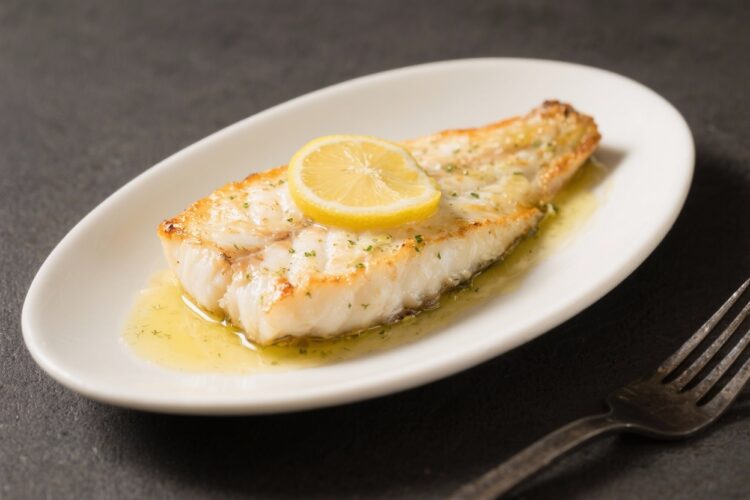
Halibut is one of those fish that makes dinner feel special without extra fuss. It’s mild, tender, and takes on flavors beautifully, especially fresh lemon and butter. This baked halibut with lemon butter is the kind of recipe you can make on a weeknight but also serve to guests with pride.
The prep is quick, the ingredient list is short, and the results are restaurant-quality. If you want a clean, bright seafood dish that tastes like sunshine, this is it.
What Makes This Recipe So Good
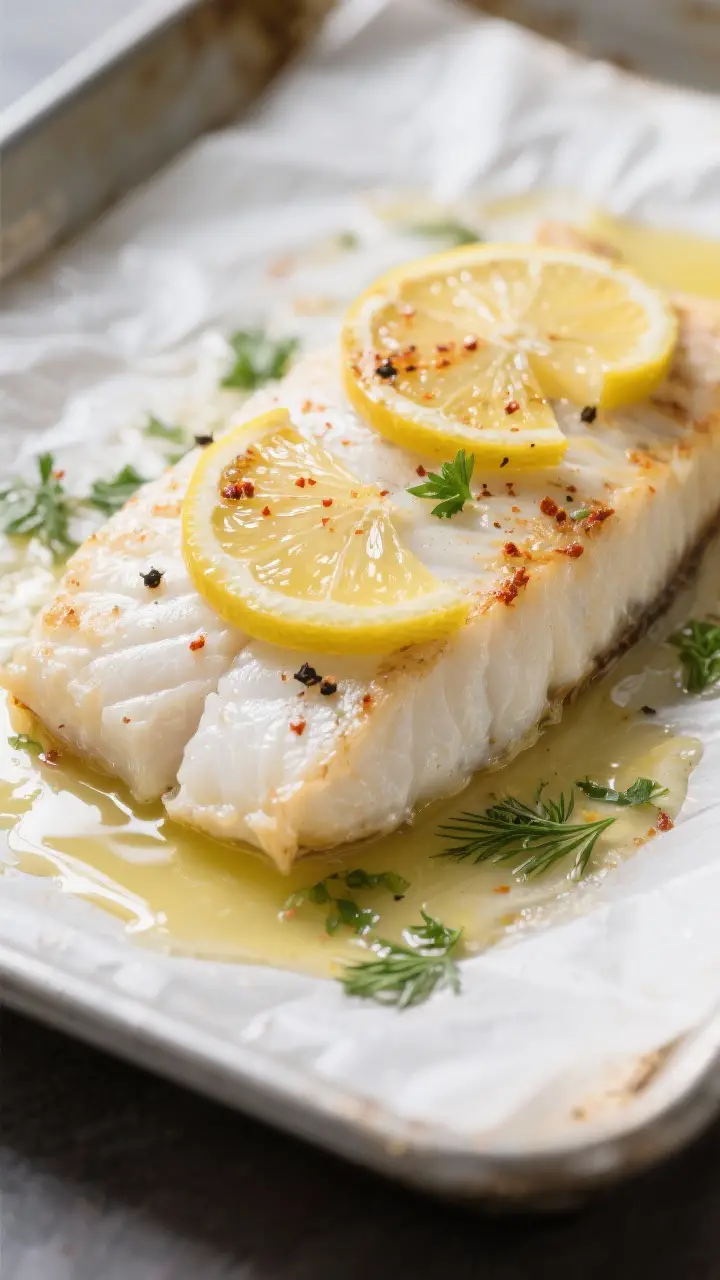
- Fresh, clean flavor: Halibut is lean and mild, so the lemon butter shines without overwhelming the fish.
- Quick and easy: From start to finish, you’re looking at about 25–30 minutes. Minimal chopping, minimal cleanup.
- Consistently tender: Baking keeps the fish moist and flaky, and the butter helps prevent dryness.
- Versatile sides: Pair with asparagus, roasted potatoes, rice, or a simple salad.
It goes with almost anything.
- Elegant but approachable: It feels special without complicated steps or rare ingredients.
What You’ll Need
- Halibut fillets: 4 fillets (about 6 ounces each), skinless if possible
- Unsalted butter: 4 tablespoons, melted
- Fresh lemon: Zest of 1 lemon and 2–3 tablespoons juice (plus extra wedges for serving)
- Garlic: 2 cloves, finely minced
- Olive oil: 1 tablespoon
- Fresh herbs: 2 tablespoons chopped parsley (or a mix of parsley and dill)
- Salt: 1 to 1½ teaspoons, divided
- Black pepper: ½ teaspoon, freshly ground
- Paprika: ½ teaspoon (optional, for color)
- Red pepper flakes: A pinch (optional, for a little heat)
- Lemon slices: 1 lemon, thinly sliced, for layering on the fish
How to Make It
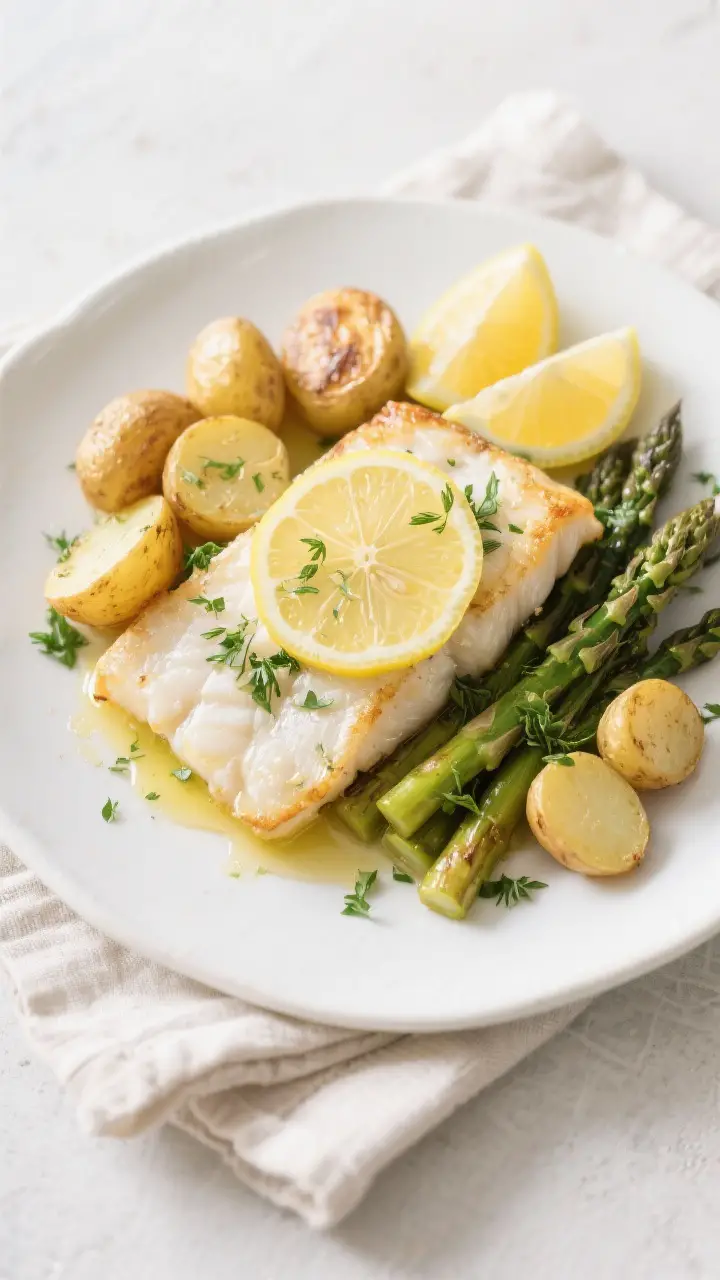
- Preheat the oven: Set to 400°F (200°C). Line a baking sheet with parchment or lightly oil a baking dish large enough to hold the fillets without crowding.
- Pat the halibut dry: Use paper towels to remove surface moisture. This helps the fish sear slightly and prevents steaming.
- Season the fish: Sprinkle both sides with salt, black pepper, and paprika (if using).
Place the fillets on the prepared baking sheet or dish.
- Make the lemon butter: In a small bowl, combine melted butter, olive oil, lemon zest, lemon juice, minced garlic, and red pepper flakes (if using). Stir in half the chopped parsley.
- Spoon over the fish: Pour the lemon butter evenly over the fillets. Lay a few thin lemon slices on top of each piece for extra aroma and moisture.
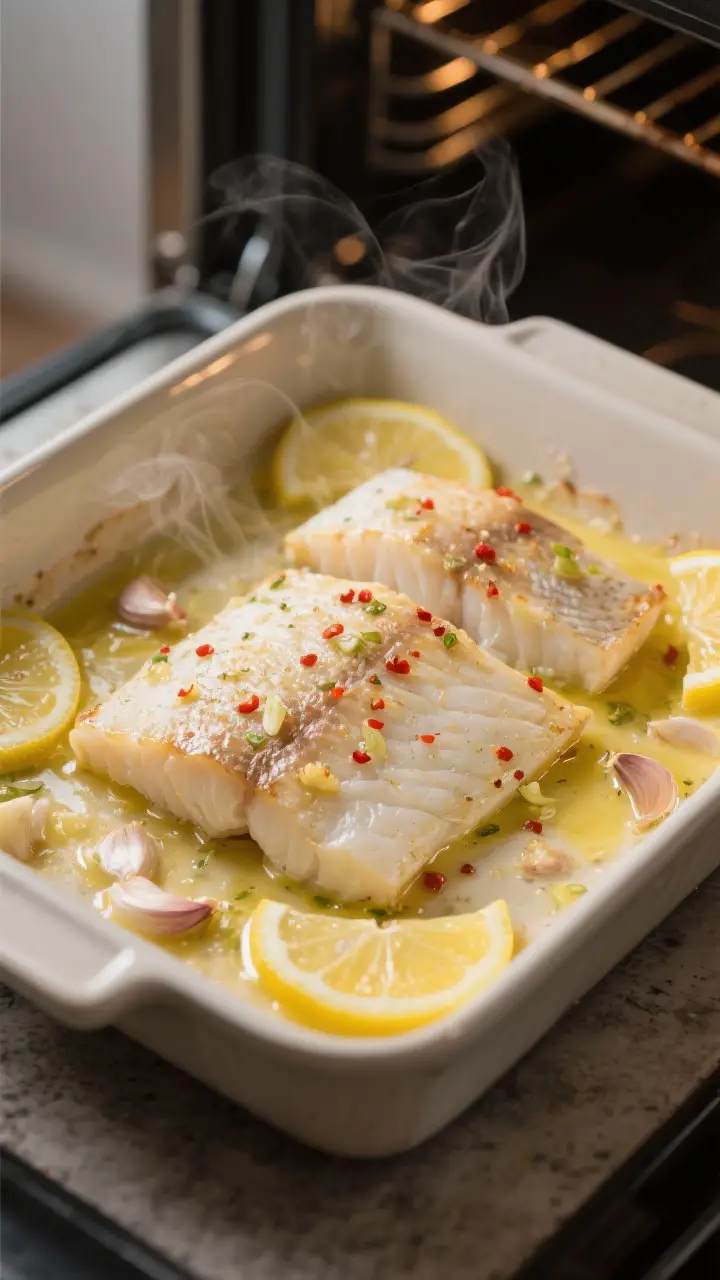
- Bake: Cook for 10–12 minutes, depending on thickness.
Halibut is done when it flakes easily with a fork and looks just opaque in the center. Thicker cuts may need 13–15 minutes.
- Rest and garnish: Let the fish rest for 2–3 minutes. Spoon any pan juices over the top.
Finish with the remaining parsley and a squeeze of fresh lemon if you like.
- Serve: Pair with roasted asparagus, sautéed green beans, steamed rice, couscous, or a crisp salad. Don’t skip the extra lemon wedges.
Storage Instructions
- Refrigerate: Store leftovers in an airtight container for up to 2 days. Fish is best enjoyed fresh, but this one reheats gently.
- Reheat: Warm in a 275°F (135°C) oven for 8–10 minutes, or until just heated through.
Avoid microwaving on high—it can dry out the fish.
- Freezing: Not recommended for cooked halibut, as it can become dry and crumbly once thawed. If you must, wrap tightly and freeze up to 1 month, then reheat gently.
Benefits of This Recipe
- Lean protein: Halibut provides high-quality protein with very little fat, making it filling without heaviness.
- Bright and balanced: The lemon cuts through the richness of the butter, so each bite tastes fresh.
- Naturally gluten-free: No flour or breading needed. It’s a great option for gluten-free meals.
- Beginner-friendly: Minimal steps and clear doneness cues keep it stress-free.
- Flexible flavors: The base recipe is simple, so you can add herbs, spices, or a splash of white wine to match your tastes.
Pitfalls to Watch Out For
- Overcooking: Halibut can turn dry quickly.
Start checking at 10 minutes and remove when it’s just opaque and flakes easily.
- Too much lemon juice: Acid is great, but too much can “cook” the fish and make it firm. Stick to the amounts listed and finish with wedges at the table.
- Skipping the pat-dry step: Excess moisture leads to steaming instead of gentle roasting, which can dull flavor and texture.
- Using cold fish: Ice-cold fillets take longer to cook and can bake unevenly. Let the fish sit at room temperature for 10–15 minutes before baking.
- Relying only on time: Ovens vary.
Look for visual cues—opaque flesh, easy flaking—rather than strictly watching the clock.
Variations You Can Try
- Herb-forward: Swap parsley for a mix of dill, chives, and tarragon for a soft, springy flavor.
- Garlic parmesan: Add 2 tablespoons grated Parmesan to the butter mixture for a savory edge.
- Mediterranean: Add capers, cherry tomatoes, and a splash of dry white wine to the pan before baking.
- Citrus twist: Use a mix of lemon and orange zest for a rounder, slightly sweeter citrus profile.
- Spice it up: Add a pinch of smoked paprika and cayenne for warmth and color.
- Panko finish: Mix melted butter with panko, lemon zest, and herbs; press lightly on top of the fillets and bake for a subtle crunch.
FAQ
How do I know when halibut is cooked?
It should look opaque all the way through and flake easily with a fork. If you use a thermometer, aim for an internal temperature of about 130–135°F (54–57°C) for moist, tender fish.
Can I use frozen halibut?
Yes, just thaw it fully in the fridge overnight and pat it very dry before seasoning. Frozen fillets can release extra moisture, so drying is key for good texture.
What can I use instead of halibut?
Cod, haddock, or sea bass are good substitutes.
Adjust cooking time based on thickness, and keep an eye on doneness cues rather than the clock.
Is skin-on halibut okay?
Absolutely. Bake skin-side down. The skin helps hold the fish together and can be removed easily after cooking if you prefer not to eat it.
Do I have to use butter?
Butter brings richness, but you can use olive oil for a lighter option.
For a similar flavor, try half butter and half olive oil.
Can I add vegetables to the pan?
Yes. Asparagus, zucchini, or thin-sliced potatoes work well. Start the potatoes earlier, or slice them very thin so everything finishes together.
What wine pairs well with this dish?
A crisp white like Sauvignon Blanc, Pinot Grigio, or an unoaked Chardonnay pairs nicely with the lemony, buttery flavors.
How can I prevent the fish from sticking?
Use parchment paper or lightly oil your baking dish.
Pat the fish dry and avoid moving it around once it’s in the pan.
Can I grill this instead of baking?
Yes. Brush the fish with the lemon butter and grill over medium heat, about 3–4 minutes per side depending on thickness. Spoon extra lemon butter over the top when it comes off the grill.
Should I marinate the fish?
A long marinade isn’t ideal for delicate fish—it can turn mushy.
If you want a quick marinade, keep it to 15 minutes max with a small amount of acid.
Final Thoughts
Baked halibut with lemon butter is one of those reliable, go-to recipes that always feels a little special. It’s easy enough for a busy night and elegant enough for company. Keep an eye on doneness, use fresh lemon, and don’t skip that final spoonful of pan juices.
Serve it hot with something green and something starchy, and you’ve got a bright, satisfying meal with minimal effort.
Printable Recipe Card
Want just the essential recipe details without scrolling through the article? Get our printable recipe card with just the ingredients and instructions.