
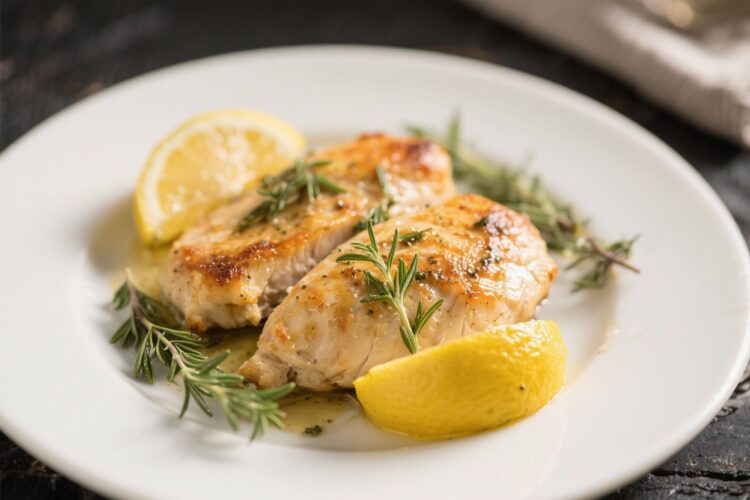
There’s something comforting about a chicken dinner that comes together without fuss and still tastes like you put in real effort. These baked chicken breasts with lemon and thyme are exactly that: fresh, light, and pleasantly aromatic. The lemon keeps the meat bright and juicy, while thyme adds a gently earthy note that never feels heavy.
This is the kind of meal you can make on a weeknight and still feel proud serving to guests. Best of all, everything happens in one pan and the cleanup is easy.
What Makes This Special
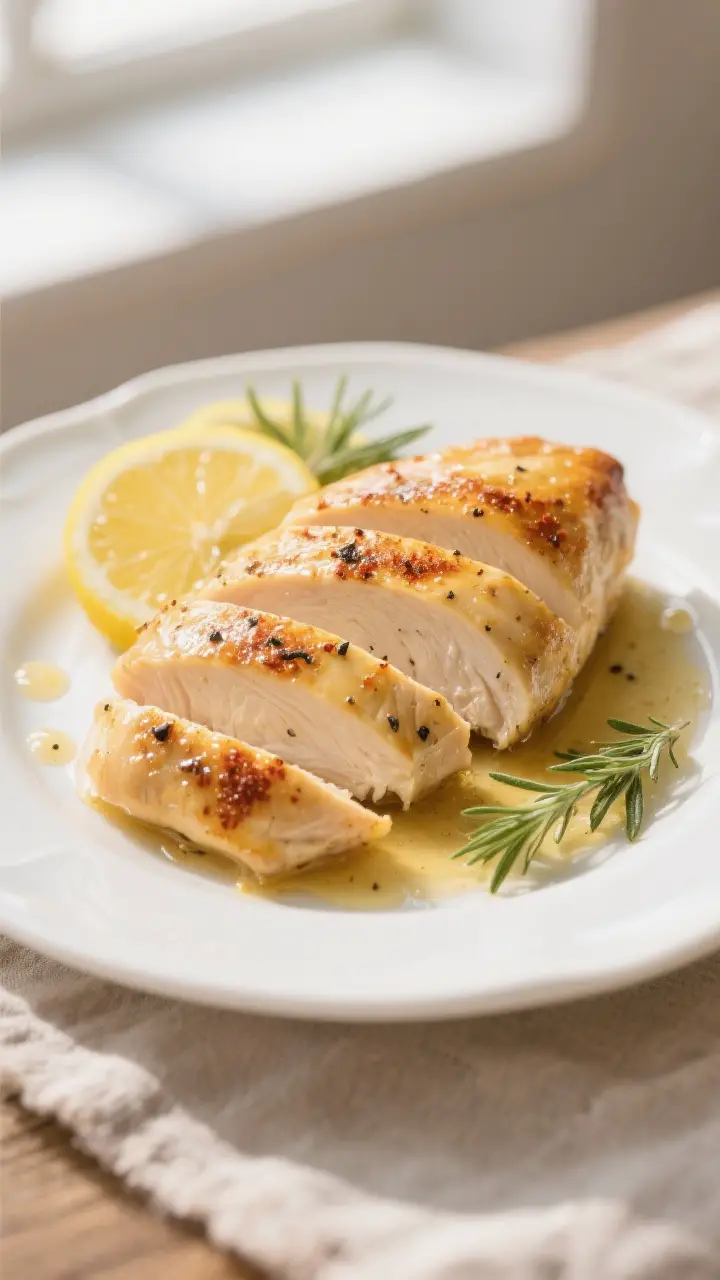
This recipe focuses on simple ingredients that deliver big flavor. Fresh lemon juice and zest bring a clean, citrusy finish that brightens the whole dish.
Thyme offers a subtle, savory backbone that complements chicken without overpowering it. With a short marinade and a straightforward bake, you get tender, moist breasts instead of the dry, stringy results people fear. It’s reliable, adaptable, and works with pantry staples you likely already have.
Shopping List
- Chicken breasts: 4 boneless, skinless, medium-sized (about 6–8 oz each)
- Lemons: 2 (you’ll use both zest and juice)
- Fresh thyme: 6–8 sprigs (or 2 teaspoons dried thyme)
- Garlic: 3 cloves, minced
- Olive oil: 3 tablespoons
- Honey or maple syrup: 1 teaspoon (optional, for balance)
- Salt: Kosher or sea salt
- Black pepper: Freshly ground
- Paprika: 1/2 teaspoon (optional, for color and warmth)
- Chicken broth or water: 2–3 tablespoons (to keep the pan moist)
- Butter: 1 tablespoon (optional, for a richer finish)
How to Make It
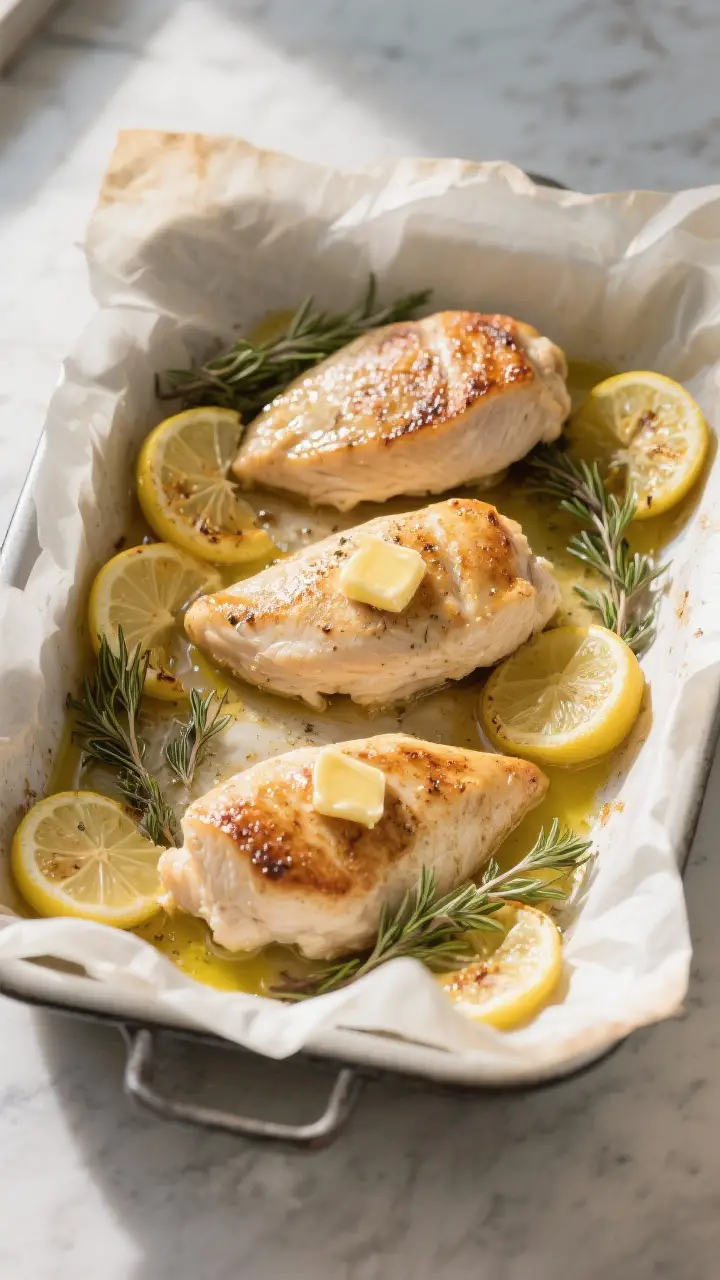
- Preheat the oven: Set to 400°F (200°C).
Line a baking dish with parchment or lightly oil it.
- Prep the chicken: Pat the breasts dry with paper towels. For even cooking, pound the thickest part gently until each piece is a uniform thickness, about 3/4 inch.
- Mix the marinade: In a small bowl, combine olive oil, zest of 1 lemon, juice of both lemons, minced garlic, chopped fresh thyme leaves (or dried thyme), 1 teaspoon salt, 1/2 teaspoon black pepper, and paprika. Add honey if you like a touch of sweetness.
- Coat the chicken: Place breasts in the baking dish.
Pour the marinade over them and turn to coat. Tuck a few extra thyme sprigs around the chicken. Add 2–3 tablespoons chicken broth or water to the pan to help keep things moist.
- Marinate briefly: Let the chicken sit for 10–15 minutes on the counter while the oven finishes heating.
If you have time, 30 minutes in the fridge is even better.
- Bake: Roast for 18–22 minutes, depending on thickness. You’re aiming for an internal temperature of 165°F (74°C) at the thickest point.
- Optional butter baste: In the last 3 minutes, dot the tops with small bits of butter for extra gloss and flavor.
- Rest the chicken: Remove from the oven and let it rest for 5–7 minutes. This helps the juices redistribute and keeps the meat tender.
- Serve: Spoon the pan juices over the chicken.
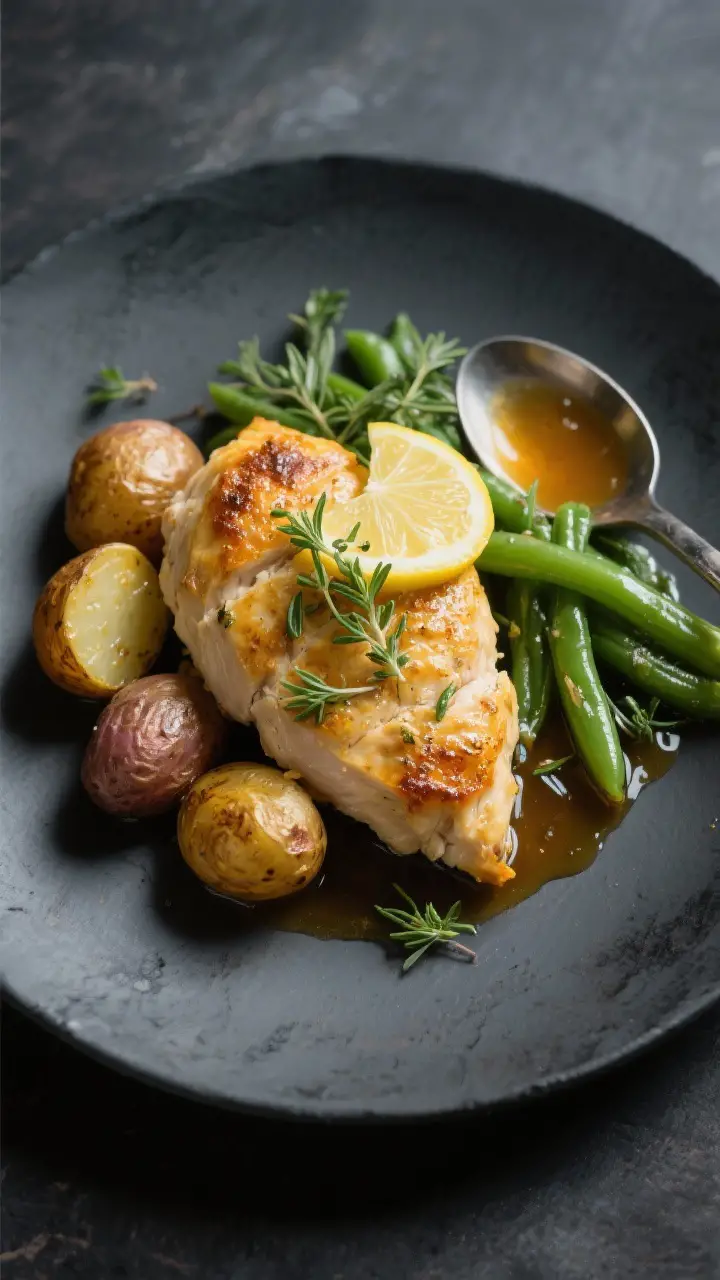
Garnish with extra thyme leaves or thin lemon slices. Pair with roasted potatoes, steamed green beans, or a simple salad.
Keeping It Fresh
Leftovers keep well for up to 4 days in the fridge in an airtight container. For best results, slice the chicken before storing so it reheats more evenly.
Reheat gently with a splash of broth in a covered skillet over low heat or in the microwave at 50% power to avoid drying it out. Cooked chicken also freezes nicely for up to 3 months. Thaw in the refrigerator overnight and warm slowly as above.
Health Benefits
- Lean protein: Chicken breast is low in fat and high in protein, which supports muscle repair, satiety, and steady energy.
- Lower sodium potential: Because the flavor comes from lemon and herbs, you can keep salt moderate without sacrificing taste.
- Healthy fats: Olive oil provides heart-friendly monounsaturated fats.
- Nutrient boost: Lemon adds vitamin C and bright, clean flavor without extra calories or heavy sauces.
- Balanced meal pairing: Serve with vegetables and a whole grain like quinoa or brown rice for a well-rounded plate.
What Not to Do
- Don’t skip drying the chicken: Moisture on the surface interferes with browning and can dilute your marinade.
- Don’t overbake: This is the fastest route to dry meat.
Use a thermometer and pull the chicken right at 165°F.
- Don’t crowd the pan: Leave a little space between pieces so heat circulates evenly.
- Don’t use only lemon juice: Balance acidity with oil, herbs, and a touch of sweet or savory to keep flavors rounded.
- Don’t skip the rest: Resting makes the difference between juicy and dry. Those 5 minutes matter.
Recipe Variations
- Sheet-pan dinner: Add halved baby potatoes and trimmed green beans to the dish. Toss with a little oil, salt, and pepper, then bake everything together.
Start the potatoes 10 minutes early if they’re large.
- Greek-inspired: Add dried oregano, a pinch of garlic powder, and serve with a cucumber-tomato salad and crumbled feta.
- Spicy lemon-thyme: Add red pepper flakes or a dash of hot sauce to the marinade for gentle heat.
- Creamy finish: Whisk 2 tablespoons of Greek yogurt into the pan juices after baking for a quick, creamy spoon-over sauce.
- Herb swap: Try rosemary, parsley, or basil instead of thyme. Keep the lemon for brightness.
- Grill adaptation: Marinate as written, then grill over medium-high heat for 5–7 minutes per side, depending on thickness.
FAQ
How do I keep chicken breasts from drying out?
Use even thickness, a hot oven, and a quick bake. A short rest after cooking locks in moisture.
A bit of added liquid in the pan and a light butter finish also help.
Can I use chicken thighs instead?
Yes. Boneless, skinless thighs work well and are more forgiving. Bake at 400°F for 22–28 minutes, until they reach 175°F for the best texture.
Do I need to marinate overnight?
No.
Even 15–30 minutes provides good flavor. If marinating longer than 2 hours, reduce the lemon juice a bit to avoid a mushy texture.
What if I only have dried thyme?
Use about 2 teaspoons dried thyme in place of fresh. Dried herbs are more concentrated, so a smaller amount goes a long way.
Can I make this without garlic?
Absolutely.
The lemon and thyme still deliver great flavor. Consider adding a pinch of onion powder for extra savory depth.
What should I serve with it?
Try roasted carrots, sautéed spinach, a crisp green salad, or a grain like couscous or farro. The lemony juices make a great drizzle over sides.
How do I tell when it’s done without a thermometer?
Pierce the thickest part; the juices should run clear and the meat should be opaque.
Still, a thermometer is the most reliable way to avoid overcooking.
Can I meal-prep this?
Yes. Bake a larger batch, slice, and store in portions with a little pan sauce. It reheats well and works in salads, bowls, or wraps all week.
Is the honey necessary?
No.
It simply balances the lemon’s acidity. Skip it if you prefer strictly savory or are watching sugar.
Can I add vegetables directly to the pan?
Yes, but account for cooking times. Quick-cooking vegetables like asparagus or zucchini can go in for the last 10–12 minutes.
Potatoes need an earlier start.
In Conclusion
Baked chicken breasts with lemon and thyme are a weeknight staple that never feels boring. With a handful of fresh ingredients and a short time in the oven, you get bright flavor and juicy texture every time. Keep a few lemons and a bunch of thyme on hand, and you’ve always got dinner in your back pocket.
Simple, clean, and reliably delicious—that’s the kind of recipe worth making again and again.