Key Takeaways
- Start planning your Thanksgiving menu at least 3-4 weeks in advance
- Balance traditional favorites with new recipes to keep your menu exciting
- Consider dietary restrictions and preferences when planning your menu
- Prepare as many dishes ahead of time as possible to reduce day-of stress
- Create a detailed shopping list organized by grocery store sections
- Plan your cooking schedule with oven space and timing in mind
- Don’t forget to include appetizers and drinks in your planning
- Have a strategy for leftovers to minimize food waste
- Test any new recipes before the big day to avoid surprises
- Delegate tasks and accept help from family members and guests
- Remember to plan for proper food storage containers for leftovers
- Include time for yourself to relax and enjoy the holiday with your guests
Why Thanksgiving Menu Planning Matters
Thanksgiving is a celebration centered around food, family, and gratitude. The feast is the highlight of the day, making thoughtful menu planning essential for a successful holiday. Without proper planning, what should be a joyful gathering can quickly become overwhelming, with last-minute grocery store runs, kitchen chaos, and timing disasters. The stress of improper planning can overshadow the true meaning of the holiday and leave the host feeling exhausted rather than thankful.
A well-organized Thanksgiving menu plan ensures that you can enjoy the holiday alongside your guests rather than being stuck in the kitchen. It helps you manage your time efficiently, reduces stress, and allows you to create a cohesive meal that satisfies everyone at your table. Planning ahead also means you can take advantage of sales, avoid sold-out ingredients, and have time to test new recipes if you want to introduce something different this year. Proper planning helps you accommodate dietary restrictions, balance flavors and textures across dishes, and ensure that everything comes together harmoniously at serving time.
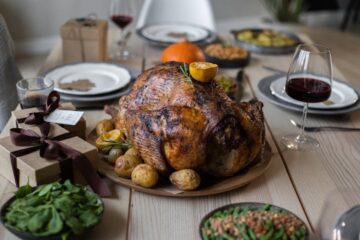
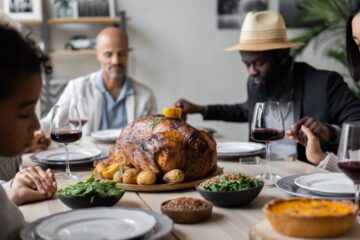
At Whaley Cooks, we understand that a successful Thanksgiving dinner requires more than just good recipes—it demands strategic planning. Whether you’re hosting for the first time or you’re a seasoned Thanksgiving chef, our comprehensive planning checklist will guide you through every step of creating a memorable holiday meal. From determining portion sizes to organizing your cooking timeline, we’ve covered all aspects to help you host with confidence and actually enjoy the day yourself.
When to Start Planning Your Thanksgiving Menu
The key to a stress-free Thanksgiving is starting early. We recommend beginning your planning process at least 3-4 weeks before the big day. This gives you plenty of time to finalize your guest list and gather dietary information, research and select recipes, create shopping lists and purchase non-perishable items, order specialty items like fresh turkeys or bakery desserts, and test new recipes if you’re introducing them to your menu. Starting early also allows you to take advantage of sales and avoid the last-minute rush at grocery stores, which can be particularly chaotic in the days leading up to Thanksgiving.
Many experienced hosts begin their planning right after Halloween, using the first week of November to sketch out their menu and make lists. This timeline gives you enough breathing room to make thoughtful decisions rather than panicked ones. It also allows you to delegate dishes to guests who might be bringing contributions, ensuring you don’t end up with three pumpkin pies and no vegetables. Early planning also gives you time to inventory your kitchen equipment, serving dishes, and table linens, so you can borrow or purchase any missing items well before the holiday rush.


One week before Thanksgiving, you should have your complete menu planned and most of your shopping done. This leaves the days leading up to Thanksgiving for purchasing fresh ingredients and beginning meal prep for dishes that can be made ahead. Having this buffer also gives you time to deal with unexpected issues like sold-out ingredients or kitchen equipment failures. If you discover your roasting pan has a crack or your food processor isn’t working properly, you’ll have time to find a replacement without the added stress of last-minute shopping.
For detailed guidance on how much food to prepare based on your guest count, check out our comprehensive guide that helps you avoid both shortages and excessive leftovers. This resource provides specific calculations for different group sizes, ensuring you’ll have just the right amount of each dish for your gathering.
Building Your Thanksgiving Menu Framework
A well-balanced Thanksgiving menu typically includes several key components that work together to create a satisfying meal. Let’s break down the essential elements of a traditional Thanksgiving feast.
The Main Attraction
The centerpiece of most Thanksgiving tables is the turkey, though some families opt for ham, prime rib, or vegetarian alternatives. When planning your main dish, consider the size of your gathering and cooking method. For turkey, calculate approximately 1-1.5 pounds of turkey per person, accounting for bone weight. A 12-pound turkey will feed about 8 people, while a 20-pound turkey serves around 14 guests. Remember that cooking method affects timing significantly—roasting typically takes 15 minutes per pound, while deep-frying is much faster but requires special equipment and safety precautions.
If you’re using a frozen turkey, plan ahead for thawing time—a good rule of thumb is 24 hours in the refrigerator for every 4-5 pounds of turkey. So a 20-pound turkey will need 4-5 days to thaw completely. Never thaw a turkey at room temperature, as this creates food safety risks. If you’re brining your turkey, you’ll need to add another day to your timeline for the brining process. Consider whether you want to stuff your turkey or prepare the stuffing separately—stuffed turkeys require longer cooking times and careful temperature monitoring to ensure food safety. Many professional chefs recommend cooking stuffing separately for more even cooking and better texture.
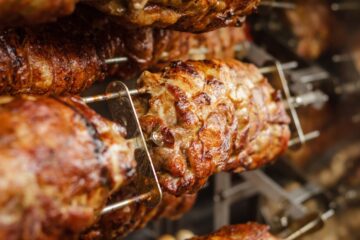
If you’re looking for creative alternatives to traditional turkey, we offer several options that still capture the festive spirit of the holiday. Vegetarian main dishes like stuffed butternut squash or mushroom Wellington can be just as impressive and satisfying as traditional poultry. For smaller gatherings, consider a turkey breast instead of a whole bird, which cooks faster and produces less leftovers while still providing that classic Thanksgiving flavor.
Essential Side Dishes
A traditional Thanksgiving menu includes several categories of sides, each contributing different flavors and textures to the meal. Starchy sides like mashed potatoes, sweet potato casserole, and stuffing/dressing provide comforting, filling elements. Vegetable sides such as green bean casserole, roasted Brussels sprouts, and glazed carrots add color, nutrition, and variety. Bread options like dinner rolls, cornbread, or biscuits help soak up delicious gravies and sauces. And no Thanksgiving meal would be complete without condiments like gravy and cranberry sauce to tie everything together.
When planning your sides, aim for balance and variety. We recommend including 2-3 starchy sides, 2-3 vegetable sides, 1 bread option, and the essential sauces. This provides enough variety without overwhelming your cooking capacity or your guests’ plates. Consider cooking methods and timing when selecting your sides—you want a mix of stovetop, oven, and make-ahead dishes to avoid a bottleneck in your kitchen. Try to include different colors, textures, and flavors to create a visually appealing and gastronomically satisfying spread. For example, balance creamy mashed potatoes with crispy roasted vegetables, and offset rich, buttery dishes with something tangy like cranberry sauce or a vinegar-dressed salad.
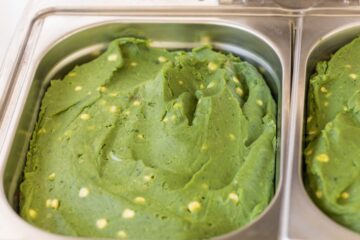

For a unique twist on traditional sides, try our Kale Stuffing recipe that adds nutritious greens to this holiday favorite. This modern take on stuffing maintains the comfort-food appeal while adding a nutritional boost. The earthy flavor of kale pairs beautifully with traditional stuffing herbs like sage and thyme, creating a side dish that’s both familiar and innovative.
Appetizers and Starters
While the main meal is the focus, having some light appetizers keeps guests satisfied during the cooking process and creates a welcoming atmosphere as people arrive. The key is to offer enough to take the edge off hunger without filling people up before the main event. Consider setting out a cheese and charcuterie board, vegetable crudités with dip, light finger foods, or serving soup as a starter course.
When planning appetizers, keep them simple and light. This isn’t the time for heavy, filling options that will compete with your carefully planned main meal. Aim for items that can be prepared in advance and served at room temperature, so you’re not adding to your cooking responsibilities right before dinner. Three to four bites per person is a good rule of thumb for pre-dinner snacks. If your dinner is scheduled for later in the day, you might want to offer slightly more substantial appetizers to keep guests comfortable without spoiling appetites for the main meal. Consider the timing of your meal when planning your appetizer strategy—a 2:00 PM dinner might require more substantial pre-meal offerings than a 6:00 PM dinner.
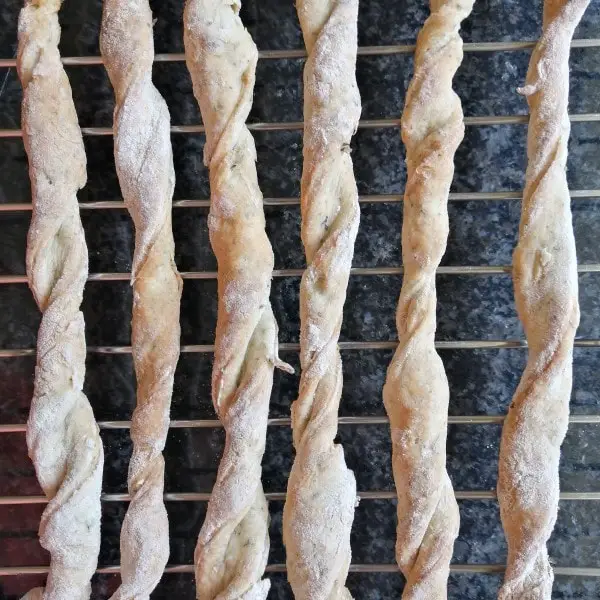
Our Sourdough Crispy Breadsticks make an excellent pre-dinner snack that won’t fill guests up before the main event. They’re easy to prepare in advance and pair beautifully with dips or cheese. These crispy, herb-infused breadsticks can be made several days ahead and stored in an airtight container, making them a perfect stress-free appetizer option that won’t compete with your main cooking tasks on Thanksgiving Day.
Desserts
No Thanksgiving is complete without dessert. Traditional options include pumpkin pie, apple pie, pecan pie, and cheesecake. The beauty of desserts is that most can be prepared 1-2 days in advance, freeing up your oven and your attention on Thanksgiving day. When planning desserts, consider your guests’ preferences and dietary restrictions. It’s also wise to offer at least two options to accommodate different tastes.
For a typical Thanksgiving gathering, plan for at least two dessert options, especially if you have a larger group with varied preferences. A standard 9-inch pie serves about 8 people, so scale accordingly. Don’t forget to consider toppings like whipped cream, ice cream, or caramel sauce that might need last-minute preparation. And remember that many guests appreciate a lighter dessert option after a heavy meal—fresh fruit with a light sauce can be a welcome alternative. If you’re baking pies from scratch, consider making and freezing pie crusts a week or more in advance, then thawing and filling them closer to Thanksgiving. This breaks up the work and ensures you’re not trying to make everything at once.
Interactive Thanksgiving Menu Planning Tool
Thanksgiving Menu Builder
Use this interactive tool to build your perfect Thanksgiving menu. Check off items as you add them to your plan!
Main Dish (select one)
Roast TurkeyGlazed HamPrime RibVegetarian Main
Starchy Sides (select 2-3)
Mashed PotatoesSweet Potato CasseroleTraditional StuffingKale StuffingMac and Cheese
Vegetable Sides (select 2-3)
Green Bean CasseroleRoasted Brussels SproutsGlazed CarrotsThanksgiving SaladCreamed Corn
Breads (select 1-2)
Dinner RollsCornbreadFlaky BiscuitsSourdough Breadsticks
Desserts (select 2-3)
Pumpkin PieApple PiePecan PieCheesecakeAssorted CookiesGenerate Shopping List
Accommodating Dietary Restrictions and Preferences
Modern Thanksgiving gatherings often include guests with various dietary needs. Planning for these in advance ensures everyone can enjoy the meal and feels included in the celebration. Taking the time to understand and accommodate dietary restrictions shows thoughtfulness and hospitality, making your guests feel valued and cared for. In today’s diverse food landscape, it’s increasingly common to have guests who follow specific diets for health, ethical, religious, or personal reasons.
When gathering your guest list, it’s helpful to ask about dietary restrictions well in advance. This gives you time to plan alternatives or modify recipes as needed. Remember that for many people with dietary restrictions, holiday meals can be stressful rather than joyful if they’re worried about finding food they can eat. Your thoughtful planning can make a huge difference in their experience. When asking about restrictions, do so in a private, respectful way that doesn’t make guests feel like they’re causing trouble. A simple email or text message asking if there are any food allergies or dietary needs you should be aware of is usually sufficient.
Common Dietary Considerations:
For vegetarian and vegan guests, offer substantial plant-based main dishes and sides made without animal products. Beyond just removing meat, ensure these dishes are satisfying and protein-rich. Consider options like stuffed acorn squash, mushroom Wellington, or lentil loaf that provide the heartiness expected from a holiday main course. For gluten-free needs, provide stuffing alternatives made with gluten-free bread or grains, and thicken gravy with cornstarch instead of flour. Be vigilant about cross-contamination for those with celiac disease or severe gluten sensitivity. Those with dairy restrictions will appreciate dishes made with plant-based alternatives for butter and milk. Coconut cream, almond milk, and olive oil can often be substituted in traditional recipes with excellent results. And always clearly label dishes containing nuts and offer nut-free dessert options for those with allergies.
When planning for dietary restrictions, aim to make dishes that everyone can enjoy rather than creating entirely separate meals. This approach is more inclusive and simplifies your cooking process. Many traditional Thanksgiving dishes can be easily modified to accommodate different needs without sacrificing flavor—for example, using vegetable stock instead of chicken stock in stuffing or offering both a traditional and a dairy-free version of mashed potatoes. Consider preparing base versions of dishes that work for most dietary needs, then adding finishing touches or mix-ins that can be customized. For instance, you might roast vegetables simply with olive oil and herbs (suitable for most diets), then offer various toppings like cheese, nuts, or bacon bits that guests can add according to their preferences.
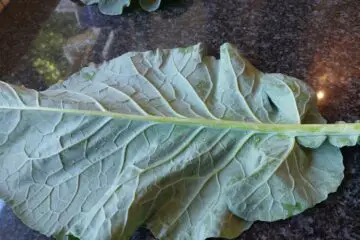
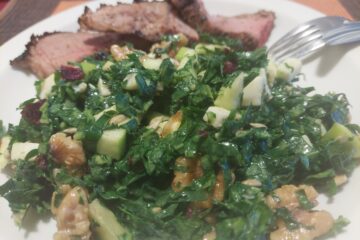
Our salad collection offers many options that can be adapted to various dietary needs. Fresh, colorful salads not only accommodate restrictions but also provide a lighter counterpoint to the traditionally heavy Thanksgiving meal. These versatile dishes can be easily modified by serving dressings and toppings on the side, allowing guests to customize according to their dietary requirements while still enjoying the same basic dish as everyone else.
The Complete Thanksgiving Shopping List
A comprehensive shopping list is crucial for efficient Thanksgiving preparation. Without one, you risk forgetting essential ingredients, making multiple trips to the store, or buying unnecessary items. We recommend organizing your list by store section to streamline your shopping experience and shopping at least 1-2 weeks before Thanksgiving for non-perishables. This approach allows you to take advantage of sales and ensures you won’t be scrambling for hard-to-find items at the last minute. A well-organized shopping list also helps you budget more effectively and reduces food waste by preventing impulse purchases.
Before creating your shopping list, take inventory of what you already have in your pantry, refrigerator, and freezer. Check spices for freshness, and make sure you have enough staples like flour, sugar, and butter. Then, go through each recipe you plan to make and list all required ingredients, consolidating quantities where possible. For example, if multiple recipes call for chicken broth, calculate the total amount needed rather than listing it separately for each dish. This consolidation prevents you from buying too much or too little of any given ingredient. When creating your list, include specific quantities and notes about brands if they matter for particular recipes. This level of detail helps ensure you get exactly what you need in one shopping trip.
Shopping List Template:
Thanksgiving Shopping List
Meat/Poultry
- □ Turkey (_____ lbs)
- □ Ham/alternative main (if applicable)
- □ Sausage for stuffing (optional)
- □ Bacon (for Brussels sprouts or other sides)
Produce
- □ Potatoes (russet for mashing, sweet potatoes)
- □ Onions, garlic, celery, carrots (mirepoix base)
- □ Fresh herbs (sage, thyme, rosemary, parsley)
- □ Green beans, Brussels sprouts, or other vegetables
- □ Salad ingredients if serving
- □ Fresh cranberries (if making sauce from scratch)
- □ Lemons/oranges (for turkey and flavoring)
Dairy
- □ Butter (at least 2 lbs)
- □ Heavy cream
- □ Milk
- □ Eggs
- □ Cheese (for sides)
- □ Sour cream (for mashed potatoes)
Bakery
- □ Bread for stuffing
- □ Dinner rolls
- □ Pie crusts (if not making from scratch)
Pantry Items
- □ Chicken/turkey stock
- □ Flour
- □ Sugar (white and brown)
- □ Spices (poultry seasoning, cinnamon, nutmeg, etc.)
- □ Nuts (pecans, walnuts)
- □ Canned pumpkin
- □ Canned cranberry sauce (if not making fresh)
- □ Dried fruit for stuffing
- □ Oils (olive, vegetable)
Beverages
- □ Wine/beer/spirits
- □ Non-alcoholic options
- □ Coffee/tea for after dinner
Other
- □ Aluminum foil
- □ Plastic wrap
- □ Storage containers for leftovers
- □ Disposable roasting pan (optional)
Make-Ahead Thanksgiving Timeline
A well-planned timeline is the secret to a stress-free Thanksgiving. By spreading tasks across multiple days or even weeks, you can avoid the last-minute rush and actually enjoy the holiday yourself. This approach also helps ensure everything is properly prepared and gives you buffer time to handle unexpected issues. Let’s break down a recommended schedule for Thanksgiving preparation. Following a structured timeline not only reduces stress but also often results in better-tasting food, as you’re not rushing through preparations or cutting corners due to time constraints.
The key to this timeline is being realistic about what you can accomplish each day. Don’t try to cram too many tasks into a single day, especially if you’re working or have other responsibilities. Even spending just 30 minutes to an hour each day on Thanksgiving prep in the weeks leading up to the holiday can significantly reduce your stress level when the big day arrives. Be honest with yourself about your cooking abilities, available time, and energy levels when creating your personal timeline. It’s better to plan conservatively and have extra time than to create an overly ambitious schedule that leaves you exhausted and frustrated.
2-3 Weeks Before:
- Finalize menu and create shopping lists
- Order turkey if getting a fresh one
- Purchase and freeze any meats that can be stored
- Buy non-perishable ingredients
1 Week Before:
- Make and freeze pie crusts
- Prepare and freeze cranberry sauce
- Make and freeze soup if serving as a starter
- Purchase remaining non-perishable ingredients
- Clean out refrigerator to make space

3-4 Days Before:
- Begin thawing frozen turkey in refrigerator
- Make salad dressings
- Prepare and refrigerate pie fillings
- Cube bread for stuffing and let it dry out
2 Days Before:
- Shop for remaining perishables
- Prepare any casseroles that can be assembled ahead
- Make cranberry sauce if not done already
- Chop vegetables for stuffing and side dishes
1 Day Before:
- Bake pies and desserts
- Prepare side dishes that reheat well
- Set the table
- Make stock for gravy if using homemade
- Prepare stuffing (but don’t stuff turkey until cooking day)
- Prep vegetables for cooking


Thanksgiving Day:
- Morning: Prepare and roast turkey
- While turkey cooks: Prepare remaining side dishes
- While turkey rests: Make gravy, reheat sides, carve turkey
- After dinner: Package leftovers properly for storage
For more detailed Thanksgiving recipes and timing guides, visit our comprehensive collection. Having specific recipes with accurate cooking times will help you build a more precise timeline for your particular menu. Our collection includes make-ahead options, quick-cooking dishes, and recipes that can be prepared while the turkey rests, helping you create a perfectly timed Thanksgiving feast.
Thanksgiving Day Cooking Schedule
Proper timing on Thanksgiving Day is crucial to ensure all dishes are ready at the same time and served at their optimal temperature. A detailed hour-by-hour schedule helps you stay on track and reduces the chance of timing disasters. This sample schedule is based on a 2:00 PM dinner time, but you can adjust it according to your planned serving time. The key is working backward from when you want to serve dinner. Creating a minute-by-minute schedule might seem excessive, but on a day with so many moving parts, this level of detail can be the difference between a smooth, enjoyable experience and a stressful cooking marathon.
Remember that flexibility is important—unexpected delays can happen, so build in some buffer time. It’s better for food to be ready a little early (most dishes can be kept warm) than to have guests waiting while you frantically try to finish cooking. And don’t forget to schedule breaks for yourself to rest, change clothes, and transition from cook to host. Even the most experienced chefs need moments to catch their breath, hydrate, and shift gears from cooking mode to hosting mode. Including these breaks in your schedule ensures you’ll be present and energized when your guests arrive, rather than exhausted from non-stop cooking.
Thanksgiving Day Timeline (for 2:00 PM dinner)
7:00 AM
- Remove turkey from refrigerator and bring to room temperature
- Prepare stuffing if not done the day before
8:30 AM
- Preheat oven
- Prepare turkey (season, stuff if desired)
9:00 AM
- Put turkey in oven (timing depends on size)
11:00 AM
- Prepare any remaining side dishes
- Set out appetizers for arriving guests
1:00 PM
- Check turkey temperature (should reach 165°F in thickest part of thigh)
- Remove turkey from oven when done
- Tent with foil and let rest for 30 minutes
- Increase oven temperature and bake/reheat side dishes
1:30 PM
- Make gravy from turkey drippings
- Carve turkey
- Finish last-minute preparations
- Transfer food to serving dishes
2:00 PM
- Serve dinner
Managing Kitchen Space and Equipment
One of the biggest challenges of Thanksgiving cooking is managing limited kitchen space and equipment. Most home kitchens aren’t designed to produce multiple dishes simultaneously for a large group. With thoughtful planning, however, you can overcome these limitations and create a delicious feast without kitchen chaos. Strategic organization of your workspace and careful scheduling of cooking tasks can transform what might be a cramped, chaotic experience into a smooth, efficient cooking process.
Before Thanksgiving week arrives, take inventory of your cooking equipment and serving dishes. Identify any gaps and borrow or purchase what you need in advance. Consider which dishes require the oven, stovetop, slow cooker, or other appliances, and plan your cooking schedule accordingly. Having the right tools ready will make your cooking process much smoother. If possible, clear countertops of unnecessary appliances and decorative items to maximize your working space. Setting up dedicated stations for different tasks—such as a chopping area with cutting boards and knives, a mixing station with bowls and measuring tools, and a plating area for finished dishes—can help keep your kitchen organized even during the busiest cooking periods.
Oven Management:
The oven is typically the most contested resource on Thanksgiving. To maximize efficiency, plan dishes that can be cooked at the same temperature and schedule cooking times strategically. Use the days before Thanksgiving to bake items that reheat well, like casseroles and pies. Consider alternative cooking methods such as slow cookers, pressure cookers, grills, or even sous vide to free up oven space. Create a detailed schedule of what needs to go in the oven when, accounting for preheating time and temperature adjustments. Remember that opening the oven door frequently can cause temperature fluctuations and extend cooking times, so try to be strategic about when you check on dishes.
Remember that the turkey will monopolize your oven for several hours and requires a rest period after cooking. Use this rest time (typically 30-60 minutes) to reheat sides and bake last-minute items. If possible, choose side dishes that can be served at room temperature or prepared on the stovetop to reduce demand for oven space. If you’re really tight on oven space, consider cooking your turkey in an alternative way, such as deep-frying, smoking, or using an electric roaster. These methods can free up your conventional oven entirely for side dishes and desserts, though they require specific equipment and safety precautions.
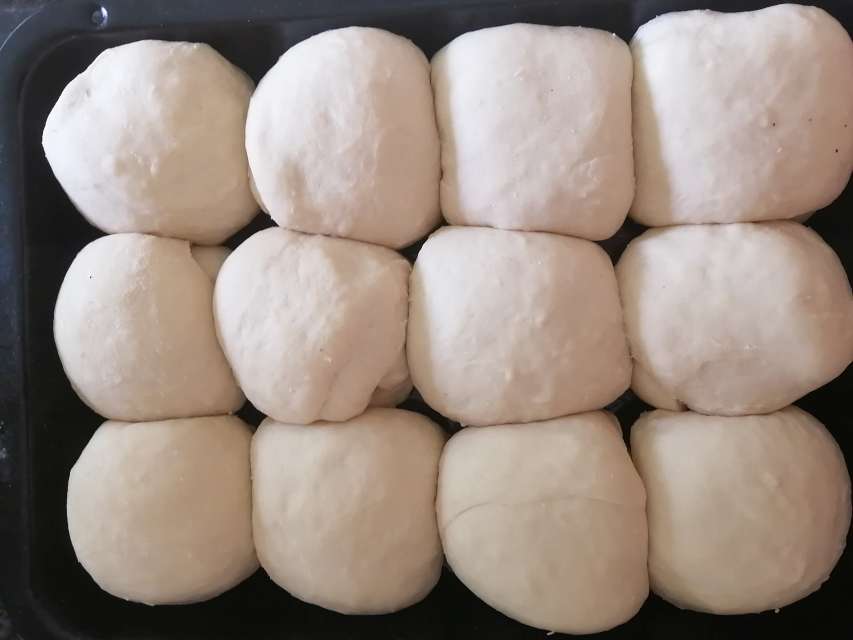
For bread options, consider our Hokkaido Milk Bread which can be prepared in advance and reheated just before serving. These soft, fluffy rolls are perfect for sopping up gravy and can be made days ahead. Their unique texture comes from a Japanese technique called tangzhong, which creates an exceptionally tender crumb that stays fresh longer than traditional dinner rolls—a perfect make-ahead option for your Thanksgiving table.
Equipment Inventory:
Take inventory of your serving dishes, cooking vessels, and utensils well before Thanksgiving. Label serving dishes with sticky notes to designate what goes where, which helps avoid last-minute confusion and ensures you have appropriate containers for each dish. If you’re short on equipment, borrow from family or friends, or consider disposable aluminum pans for extra cooking vessels. For serving, a mix of your best dishes and quality disposables can work well for larger gatherings. Having a clear plan for which dish goes in which serving container eliminates the stress of making these decisions while trying to get hot food on the table.
Don’t forget to check that you have essential tools like meat thermometers, turkey basters, carving knives, and enough serving utensils. These small items are easy to overlook but crucial for smooth execution on Thanksgiving Day. Having duplicates of frequently used tools like measuring cups and mixing spoons can also prevent bottlenecks in your preparation process. If you’re investing in new equipment for Thanksgiving, prioritize versatile items that you’ll use throughout the year rather than single-purpose gadgets that will take up storage space after the holiday is over. A good roasting pan, for example, can be used for many dishes beyond turkey, making it a worthwhile investment.
Refrigerator Space:
Refrigerator space becomes precious real estate during Thanksgiving week. Clean out your refrigerator completely the week before to make room for ingredients and prepared dishes. Use coolers with ice for beverages to free up refrigerator space—drinks don’t need to be as cold as perishable foods, and guests can help themselves more easily from a cooler. Store hardy vegetables like potatoes and onions outside the refrigerator in a cool, dark place to save space. Organizing your refrigerator strategically—with raw meats on the bottom shelf to prevent cross-contamination and frequently used items at the front for easy access—can maximize both space and efficiency.
If you’re really tight on refrigerator space, consider which dishes truly need refrigeration and which can safely sit at room temperature for a few hours. Many baked goods, bread, and some fruits and vegetables don’t require refrigeration. For prepared dishes that need to stay cold, ask if a neighbor or nearby family member has extra refrigerator space you can borrow temporarily. Some hosts even rent a small additional refrigerator for the holiday season, which can be a worthwhile investment if you frequently entertain large groups. When storing prepared dishes, use flat, stackable containers whenever possible to maximize vertical space in your refrigerator.
Creative Thanksgiving Menu Ideas
While traditional Thanksgiving dishes are beloved classics, incorporating some creative elements keeps your menu fresh and exciting. Finding the right balance between familiar comfort foods and new culinary adventures can make your Thanksgiving meal memorable without alienating guests who look forward to their holiday favorites. Innovation doesn’t have to mean abandoning tradition entirely—often the most successful Thanksgiving menus blend classic elements with thoughtful modern touches.
When introducing new dishes, consider keeping the most iconic elements traditional (like the turkey and stuffing) while experimenting with sides, appetizers, or desserts. Alternatively, you might offer both a classic version and a creative variation of the same dish to please both traditionalists and adventurous eaters. This approach allows everyone to find something they enjoy while still experiencing new flavors. Remember that Thanksgiving is fundamentally about gathering together in gratitude, so the most important consideration is creating a welcoming atmosphere where everyone feels comfortable and well-fed.
Fusion Flavors
One approach to refreshing your Thanksgiving menu is incorporating international flavors into traditional dishes. This creates interesting flavor profiles while maintaining the familiar structure of a Thanksgiving meal. Mexican-inspired cornbread stuffing with chilies and chorizo brings a spicy kick to a classic side. Asian-glazed Brussels sprouts with soy and ginger offer a tangy alternative to the standard preparation. Italian-style turkey with herbs and garlic provides a Mediterranean twist on the main event. And Mediterranean sweet potatoes with feta and olives transform a traditionally sweet side into a savory delight.
These fusion approaches work best when they enhance rather than completely transform the original dish. The goal is to create something that feels both familiar and fresh—a new take on a beloved classic rather than an entirely different dish. Start with one or two fusion dishes rather than overhauling your entire menu, and be mindful of your guests’ preferences and openness to culinary experimentation. When introducing fusion elements, consider providing a brief explanation of the dish and its inspiration—this can create conversation and help guests appreciate the creative thought behind your menu. Fusion dishes are also an excellent way to incorporate cultural elements that reflect your family’s heritage or to honor the diverse backgrounds of your guests.
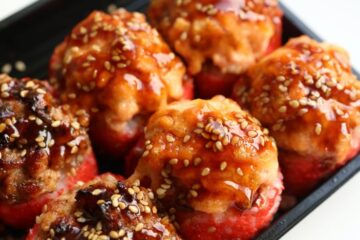
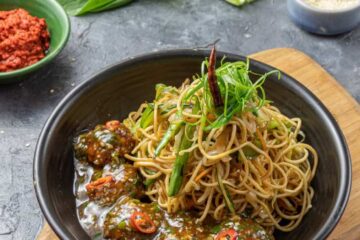
For a unique appetizer option, try our Teriyaki Meatballs that bring an Asian-inspired twist to your Thanksgiving spread. These savory-sweet bites offer a delicious alternative to traditional starters and can be prepared in advance. The umami-rich glaze provides a welcome contrast to the more traditional flavors of the main meal, and their bite-sized format makes them perfect for pre-dinner mingling.
Themed Menus
Another creative approach is building your menu around a cohesive theme that ties the dishes together. A farm-to-table Thanksgiving focuses on locally sourced, seasonal ingredients, highlighting the freshest produce from your region. A heritage Thanksgiving researches historical recipes from early American history, recreating dishes that might have been served at the first Thanksgiving celebrations. A regional American theme highlights dishes from a specific region like Southern, New England, or Southwest cuisine, creating a geographically cohesive meal. And a plant-forward approach makes vegetables the star with meat as a supporting element, perfect for groups with vegetarians or those looking for a lighter meal.
Themed menus work best when there’s a clear concept that guests can appreciate and understand. Consider creating a small menu card that explains the theme and the story behind each dish. This adds an educational element to the meal and helps guests appreciate the thought that went into your creative planning. Themes can also extend beyond the food to include table decorations, music, and activities that reinforce the concept. For example, a heritage Thanksgiving might include historical facts about early American cooking methods at each place setting, while a regional theme might incorporate decorative elements typical of that area. These thoughtful touches create a more immersive dining experience and can spark interesting conversations among your guests.
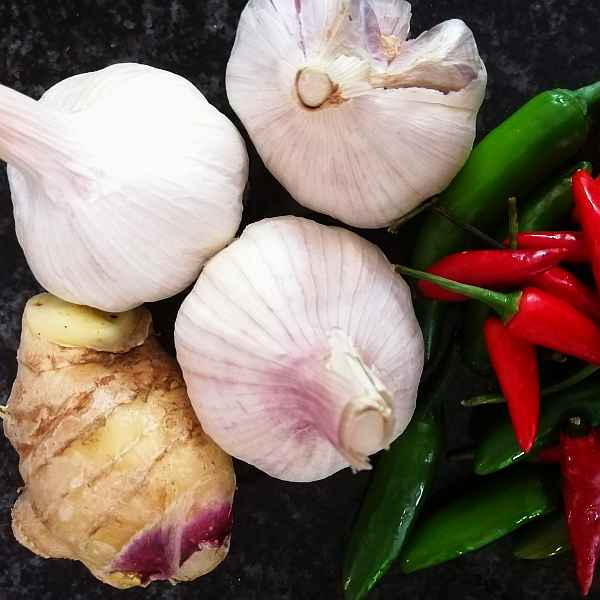

Add a kick to your Thanksgiving dishes with our Easy Chili Mix that can be used as a marinade, baste, or accompaniment. This versatile seasoning blend can transform ordinary vegetables into standout sides or add depth to your turkey preparation. The balanced combination of spices brings warmth and complexity to dishes without overwhelming them, making it perfect for adding a subtle Southwestern flair to your Thanksgiving table.
Thanksgiving Portion Planning Guide
Calculating the right amount of food prevents both shortages and excessive leftovers. While you want to ensure everyone has plenty to eat, preparing too much food can lead to waste and overwhelm your refrigerator storage capacity. This guide helps you estimate appropriate portions based on the number of guests you’re hosting. Proper portion planning is not only economically and environmentally responsible but also ensures that your cooking efforts are appropriately scaled to your gathering size.
Remember that these are general guidelines and can be adjusted based on your guests’ appetites, the number of dishes you’re serving, and whether you want leftovers (most people do!). If you’re serving many different dishes, you might reduce individual portion sizes slightly since people will be taking smaller amounts of more items. Conversely, if you’re keeping your menu simple with fewer options, plan for slightly larger portions of each dish. Consider the composition of your guest list as well—teenagers and active adults typically eat more than