Key Takeaways
- Focus on wines with good acidity to cut through rich Thanksgiving foods
- Versatile options like Pinot Noir and Riesling work well with multiple dishes
- Consider the entire meal, not just the turkey, when selecting wines
- Sparkling wines make excellent aperitifs and palate cleansers
- Balance is key – match wine weight with food weight
- Don’t forget dessert pairings to complete your Thanksgiving feast
- Offer both red and white options to accommodate guest preferences
- Serve wines at proper temperatures to enhance their flavors
- Include thoughtful non-alcoholic alternatives for non-wine drinkers
- Remember that enjoyment matters more than strict pairing rules
Introduction: The Art of Thanksgiving Wine Pairing
Thanksgiving dinner presents a unique wine pairing challenge. With its diverse array of flavors—from savory turkey and gravy to sweet cranberry sauce, from rich stuffing to tangy pickled vegetables—finding wines that complement the entire spread requires thoughtful consideration. The perfect Thanksgiving wine pairing enhances the meal without overwhelming it, creating a harmonious experience that makes your holiday celebration special and creates lasting memories for you and your guests.
At Whaley Cooks, we understand that the right wine can transform your Thanksgiving feast from just delicious to truly memorable. Whether you’re hosting a small gathering or a large family celebration, we’ve created this guide to help you choose wines with confidence. Our tips will ensure that your drink choices enhance the hours you’ve spent preparing your holiday menu, creating a complete dining experience from appetizers through dessert.
Before looking at specific pairings, remember these basic principles: use acidity to cut through rich foods, find versatile wines that work with multiple dishes at once, think beyond just the turkey since side dishes often drive pairing decisions, and most importantly, respect your guests’ preferences over strict pairing rules. Wine enjoyment is personal, and the best pairing is one that makes people happy at your table.
Now, let’s explore the perfect wine pairings for every part of your Thanksgiving feast, from appetizers to dessert. We’ll provide recommendations for both traditional and modern Thanksgiving menus, so you’ll find options that match your celebration style and your guests’ tastes.
1. Welcome Drinks: Setting the Festive Tone
Before the main meal begins, welcome drinks set a celebratory tone and prepare your guests’ palates for the feast to come. Sparkling wines are the perfect choice here, offering refreshing bubbles and versatility. The tiny bubbles stimulate appetite and awaken the taste buds, making them an ideal start to a big meal like Thanksgiving dinner. Plus, the festive nature of sparkling wine immediately signals to your guests that this is a special occasion worth celebrating.
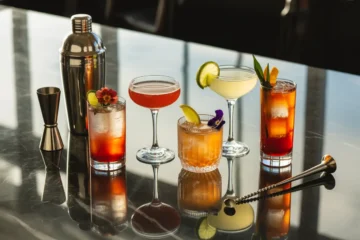

Prosecco is an Italian sparkling wine that offers light, fruity notes with gentle bubbles, making it easy for all guests to enjoy. Its subtle sweetness pairs beautifully with light appetizers. The crisp pear, apple, and citrus flavors in Prosecco make it refreshing without being too strong, and its usually reasonable price makes it practical for larger gatherings. Try serving it with simple cheese straws, spiced nuts, or light seafood bites to start your celebration right.
For a fancier option, true French Champagne brings complexity and elegance with its higher acidity and brioche notes, making it particularly food-friendly. The fine, persistent bubbles and complex flavors create an amazing drinking experience. While more expensive than other sparkling options, Champagne’s special quality makes it worth considering for special occasions. It goes well with everything from oysters to fried appetizers.
If you prefer to support local vineyards, excellent domestic options from California, Oregon, or New York state provide wonderful alternatives. American sparkling wines often offer good value while maintaining high quality. Many are made using the same traditional methods as Champagne but reflect the unique character of their growing regions. Look for options from Anderson Valley, Willamette Valley, or the Finger Lakes region for distinctive domestic sparklers that will impress your guests while supporting local winemaking traditions.
When serving sparkling wine as a welcome drink, consider pairing it with light appetizers like cheese straws, spiced nuts, or a simple cheese board. The bubbles cut through rich, creamy cheeses while complementing salty snacks perfectly. Avoid really spicy or strong-flavored starters that might overwhelm the delicate flavors of your chosen sparkling wine.
For non-alcoholic options, sparkling cider or festive mocktails ensure everyone can join in the toast regardless of their drinking preferences. High-quality sparkling grape juices, alcohol-removed sparkling wines, or creative mocktails garnished with seasonal fruits and herbs can be just as festive as their alcoholic counterparts. Serving these alternatives in proper champagne flutes shows that non-drinkers deserve the same elegant experience as those drinking alcohol.
2. White Wine Selections for Turkey and Light Sides
White wines offer bright acidity and refreshing characteristics that complement traditional Thanksgiving turkey beautifully, especially for those who prefer lighter options. The key is finding whites with enough body to stand up to the rich flavors while staying refreshing. White wines can cut through the richness of gravy and buttery sides while enhancing the subtle flavors of turkey meat. Their typically higher acidity helps clean your mouth between bites, preventing flavor fatigue during the long meal.
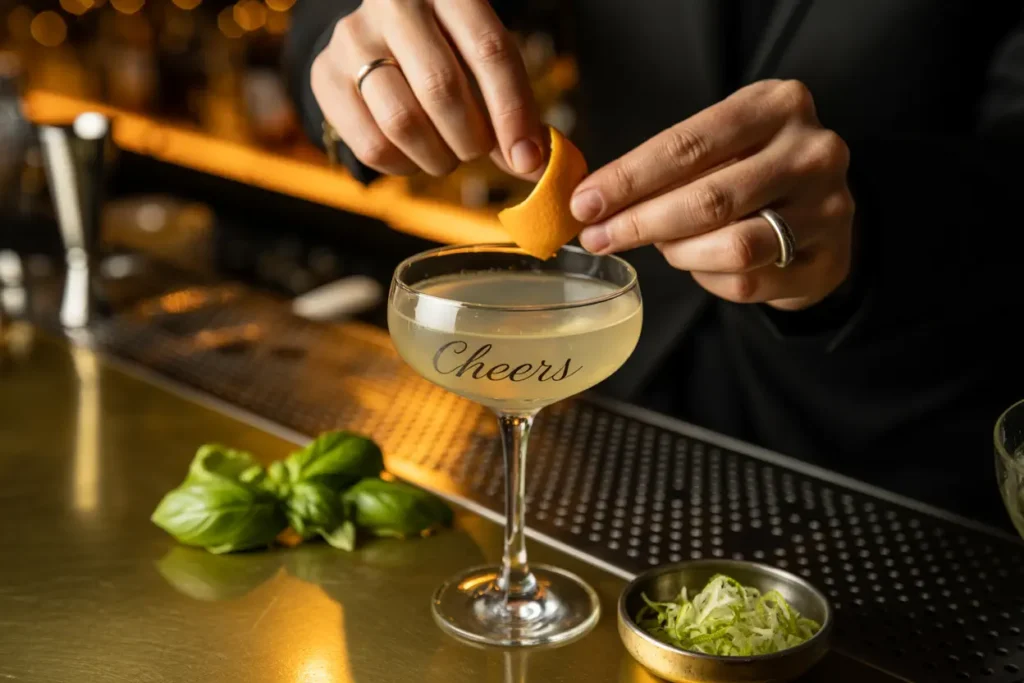
Chardonnay, especially those with moderate oak influence, provides a wonderful complement to roast turkey. The wine’s buttery notes enhance the poultry’s flavor, while its acidity cuts through rich gravy and sides. Oaked Chardonnay, with its vanilla, butter, and toasty notes, mirrors many of the flavors in traditional Thanksgiving dishes. The creamy texture stands up to the weight of the meal while maintaining enough acidity to refresh your mouth. Look for balanced examples that aren’t too oaky. For a cleaner, crisper option, unoaked Chardonnay (sometimes labeled as “naked” or “steel-fermented”) offers pure fruit flavors that won’t overwhelm delicate turkey.
Riesling may be the most versatile Thanksgiving wine, with its perfect balance of sweetness and acidity. It handles everything from savory stuffing to sweet cranberry sauce equally well. The aromatic profile of Riesling, with its notes of apple, pear, stone fruits, and sometimes petrol, provides complexity that enhances rather than competes with food flavors. Dry Riesling, with minimal sweetness but plenty of acidity, complements savory dishes beautifully. Off-dry Riesling, with a touch of sweetness, is ideal for bridging the gap between savory and sweet elements on the Thanksgiving table. The naturally high acidity in Riesling ensures it never becomes too sweet, even with some sugar.
When serving white wines, remember they should be chilled but not ice-cold. Take them out of the refrigerator about 20 minutes before serving to allow their flavors to fully express themselves. Over-chilling can hide the subtle flavors and aromas that make these wines special. Proper wine glasses with a bowl that narrows at the top helps concentrate the aromas, enhancing the overall experience. Consider complementary side dishes that will enhance both the turkey and your chosen white wine.
3. Red Wine Pairings for the Main Course
Red wines bring warmth and depth to the Thanksgiving table, making them a natural choice for many hosts. The key is selecting reds that complement rather than overpower the relatively delicate flavor of turkey while standing up to the rich side dishes. Red wines contribute tannins that can help cut through fatty elements of the meal, while their complex flavor profiles add dimension to the dining experience. The slight serving temperature of reds (slightly below room temperature) also provides a nice contrast to hot foods.

Pinot Noir is consistently recommended as the ideal Thanksgiving wine, and for good reason. Its medium body, bright acidity, and red fruit flavors make it exceptionally food-friendly. Classic Pinot Noir characteristics include bright red fruit (cherry, cranberry, raspberry), earthy undertones, and silky tannins that don’t overwhelm poultry. It has enough acidity to cut through rich dishes. The grape naturally expresses the character of where it’s grown, so each bottle offers unique characteristics. Pinot Noir from different regions offers subtle variations: Oregon Pinots tend toward earthy, mushroom notes that complement savory stuffing beautifully; California Pinots often showcase riper fruit flavors that pair wonderfully with cranberry sauce; and Burgundy (France), the original home of Pinot Noir, offers elegant complexity with balanced fruit, earth, and sometimes mineral notes.
American Zinfandel brings a bolder profile that works particularly well with smoked or fried turkey preparations. Its fruit-forward nature and hints of spice complement classic Thanksgiving flavors. What makes Zinfandel work is that its jammy fruit flavors mirror cranberry sauce, its peppery notes complement savory stuffing, its higher alcohol content stands up to rich dishes, and its moderate tannins don’t overwhelm the turkey. The berry-forward profile provides a juicy counterpoint to the savory elements of the meal, while subtle baking spice notes (cinnamon, clove) echo the aromatics often found in Thanksgiving dishes. Look for balanced Zinfandels that aren’t too alcoholic (below 15% ABV) for the best food pairing experience.
For the adventurous host, consider mulled wine as a special treat. The warming spices echo many traditional Thanksgiving flavors, creating a delightful harmony. Cinnamon, clove, star anise, and orange zest infused into red wine create an aromatic experience that fills your home with holiday scents while providing guests with a warming beverage. This can be especially welcome for guests arriving from cold weather outside. Preparing mulled wine in advance allows the flavors to mix while freeing you to focus on other aspects of hosting.
Remember to serve red wines slightly below room temperature (around 60-65°F or 15-18°C) for the best taste. Letting fuller-bodied reds breathe for 30-60 minutes before serving can enhance their flavors significantly. This process allows the wine to open up, softening tannins and releasing aromas that might otherwise remain trapped in the wine. While not strictly necessary for lighter reds like Pinot Noir or Beaujolais, decanting can dramatically improve the drinking experience of bigger wines like Zinfandel or Cabernet-based blends.
4. Rosé: The Versatile Bridge Wine
Often overlooked for fall gatherings, rosé wines deserve serious consideration for Thanksgiving. Their versatility makes them perfect “bridge wines” that span the diverse flavors of the holiday table. While many consider rosé exclusively a summer option, its food-pairing talents make it relevant year-round, especially for challenging multi-dish meals like Thanksgiving. The production methods for rosé—limited skin contact with red grape juice—create wines with some of the structure of reds but the refreshing qualities of whites.


Rosé sits in the perfect middle ground between white and red wines, offering the refreshing acidity of white wine, some of the structure and fruit characteristics of red wine, versatility with both light and dark meat turkey, and the ability to complement both savory and sweet-leaning side dishes. This amazing adaptability makes rosé an excellent choice when you want to simplify your wine service by offering fewer options. The typically moderate alcohol levels (around 12-13%) help prevent palate fatigue during long meals, allowing guests to enjoy their wine throughout the extended Thanksgiving dinner.
Not all rosés are created equal. For Thanksgiving, look for these characteristics: dry to off-dry (avoid overly sweet rosés unless you’re specifically pairing with sweeter side dishes), medium-bodied (choose rosés with some weight and substance rather than very light, delicate styles), and moderate acidity (while acidity is important to cut through rich foods, extremely high-acid rosés might overwhelm some dishes). The color of rosé can provide clues about its style—deeper pink colors often indicate fuller-bodied wines with more structure, while paler hues typically suggest lighter, more delicate styles.
When serving rosé, chill it like a white wine but allow it to warm slightly in the glass to reveal its full flavor profile. Serving temperatures around 50-55°F (10-13°C) allow the wine’s complexity to show while maintaining its refreshing qualities. Too cold, and you’ll miss the subtle flavors; too warm, and the wine may seem flat or alcoholic. Consider pairing your rosé with appetizers as well as the main course for a seamless drinking experience throughout the meal.
5. Pairing with Traditional Turkey Preparations
The way you prepare your turkey significantly impacts which wines will pair best. Different cooking methods highlight different flavors and textures in the bird, calling for thoughtful wine selection. The seasonings, cooking temperature, and techniques you use all influence the final flavor profile of your turkey, which in turn affects which wines will create harmonious pairings. Understanding these relationships helps you select wines that will showcase your cooking to its best advantage.

The most traditional preparation, classic roasted turkey, allows the turkey’s subtle flavors to shine. The relatively gentle cooking process preserves the bird’s natural moisture while developing golden skin. Ideal wine pairings include Pinot Noir, whose elegant profile complements without overwhelming the delicate flavors of properly roasted turkey; Chardonnay, particularly those with moderate oak influence that echoes the golden, roasted qualities of the skin while complementing the white meat; and Beaujolais, which is light and fruity, perfect for highlighting the turkey’s natural flavors without competing with them. If your roast turkey recipe includes herbs like thyme, rosemary, and sage, consider wines with complementary herbal notes, such as certain Sauvignon Blancs or herbal-leaning Pinot Noirs.
Smoking adds depth and intensity to turkey, calling for wines with more pronounced character. The smoking process infuses the meat with complex flavors that vary depending on the wood used and smoking duration. Ideal wine pairings include Syrah/Shiraz, whose smoky notes echo those in the turkey while providing enough body to match the intensified flavors; Zinfandel, whose bold fruit stands up to the intense smoky flavor while offering complementary spice notes; and Gewürztraminer, whose aromatic spice complements the smokiness beautifully while providing enough sweetness to balance any bitter notes from the smoking process. The wood used for smoking influences the flavor profile—hickory and mesquite create stronger flavors requiring bolder wines, while applewood smoking allows for more delicate wine choices.
When planning your Thanksgiving dinner for a crowd, consider offering both a white and a red option to accommodate different preferences and to complement various dishes on the table. This approach ensures all guests find something they enjoy while providing options that work with the diverse flavor profiles present in your feast.
6. Wine Pairings for Classic Thanksgiving Side Dishes
While turkey may be the centerpiece, Thanksgiving side dishes often present the greatest pairing challenges due to their diverse flavors. From sweet to savory, tangy to rich, these dishes require thoughtful wine selection. In fact, many wine experts suggest focusing your pairing strategy on the sides rather than the turkey, as these dishes often contribute stronger and more varied flavors to the overall meal experience. The many flavors, textures, and cooking methods represented in traditional side dishes creates both challenges and opportunities for creative wine pairings.

Perhaps the most beloved Thanksgiving side, stuffing’s flavor profile varies widely depending on ingredients and preparation. The bread base provides a canvas for countless flavor variations, from herbs and aromatics to fruits, nuts, and meats. For traditional bread stuffing with herbs, Pinot Noir’s herbal notes complement the sage and thyme beautifully, while its acidity cuts through the richness. For cornbread stuffing, Viognier’s rich texture complements the cornbread’s sweetness while providing enough body to match the heartier texture. For sausage stuffing, Syrah’s peppery notes complement the sausage while providing enough structure to match the protein addition.
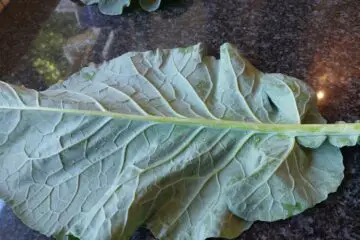
Our collection of side dish recipes includes a wonderful kale stuffing that pairs beautifully with Pinot Noir or an unoaked Chardonnay. The slight bitterness of kale creates an interesting counterpoint to the fruit in Pinot Noir, while the earthy qualities in both create a complementary pairing.
Sweet potato dishes present unique pairing challenges due to their natural sweetness, which is often enhanced through preparation methods. The starchy, earthy qualities combined with sweetness require wines that can bridge these seemingly contradictory elements. For marshmallow-topped sweet potatoes, off-dry Riesling’s slight sweetness balances the marshmallow while the high acidity prevents the pairing from becoming too sweet. For savory sweet potatoes (with herbs/bacon), Grenache’s red fruit notes complement the sweet potato’s natural sweetness while the savory preparation keeps the pairing balanced.
Cranberry sauce, this sweet-tart condiment, can be challenging to pair but adds wonderful contrast to the meal. The high acidity and intense fruit flavors can overwhelm delicate wines, while the sweetness can make dry wines taste bitter by comparison. For traditional cranberry sauce, Zinfandel’s jammy fruit mirrors the cranberry flavors while having enough body to stand up to the intensity. For spiced cranberry sauce (with cinnamon, orange, etc.), Gewürztraminer echoes the spice notes beautifully while handling the sweetness with its aromatic intensity.
For more inspiration on side dish pairings, explore our guide to barbecue side dishes and pairings, which offers principles that translate well to Thanksgiving planning. While the main dishes differ, many side dishes share similar flavor profiles and ingredients, making the pairing strategies applicable across different dining occasions.
7. Dessert Wine Pairings for Thanksgiving Sweets
No Thanksgiving feast is complete without dessert, and the right wine can transform these sweet endings into truly memorable experiences. Dessert wines should generally be at least as sweet as the dessert they accompany to avoid tasting thin or sour by comparison. This basic rule ensures that the wine maintains its character when consumed alongside sweet dishes. The concentrated flavors and higher sugar in dessert wines create perfect concluding notes to your Thanksgiving symphony of flavors.
This classic Thanksgiving dessert, pumpkin pie, with its warm spices and creamy texture, pairs beautifully with tawny port (the nutty, caramel notes in aged tawny port echo the spices in pumpkin pie while providing complementary sweetness without overwhelming the delicate pumpkin flavor), ice wine (made from grapes frozen on the vine, ice wine offers intense sweetness balanced by bright acidity that cuts through the pie’s richness while adding complexity with its concentrated fruit flavors), and late harvest Gewürztraminer (the spicy characteristics of Gewürztraminer naturally complement the cinnamon, nutmeg, and clove in pumpkin pie while its honeyed sweetness balances the earthy pumpkin base).
The classic combination of apples, cinnamon, and buttery crust in apple pie calls for Sauternes (this French dessert wine, made from botrytized Sémillon and Sauvignon Blanc grapes, offers honey and apricot notes that enhance apple pie’s flavor while providing luxurious texture that complements the buttery crust), ice cider (made like ice wine but from frozen apples, this creates a perfect apple-to-apple pairing with concentrated fruit flavors and balanced sweetness that mirrors the pie filling perfectly), and late harvest Riesling (the honeyed sweetness and bright acidity complement the apple flavors beautifully while the wine’s typical stone fruit notes add complexity to the pairing).
For non-alcoholic alternatives that still feel special, consider our delicious hot chocolate variations that can be served alongside dessert. The warming, comforting nature of hot chocolate makes it a perfect conclusion to the Thanksgiving feast, especially when temperatures drop in November.
Remember that dessert wines are typically served in smaller portions (2-3 oz) due to their sweetness and higher alcohol content. Serving them in smaller glasses helps emphasize their aromatic qualities. The concentrated flavors mean that a small serving provides a complete and satisfying experience. Consider serving these special wines with small dessert portions to create a balanced conclusion to your feast.
8. Accommodating Non-Wine Drinkers at Your Thanksgiving Table
While wine may be the traditional Thanksgiving beverage of choice for many, a truly welcoming gathering accommodates all preferences. Offering thoughtful alternatives ensures everyone feels included in the celebration. Taking the time to provide special non-alcoholic options shows care for all your guests and acknowledges that meaningful participation in the feast doesn’t require alcohol consumption. The same principles of pairing—considering flavor profiles, weight, and balance—apply to non-alcoholic beverages as well.

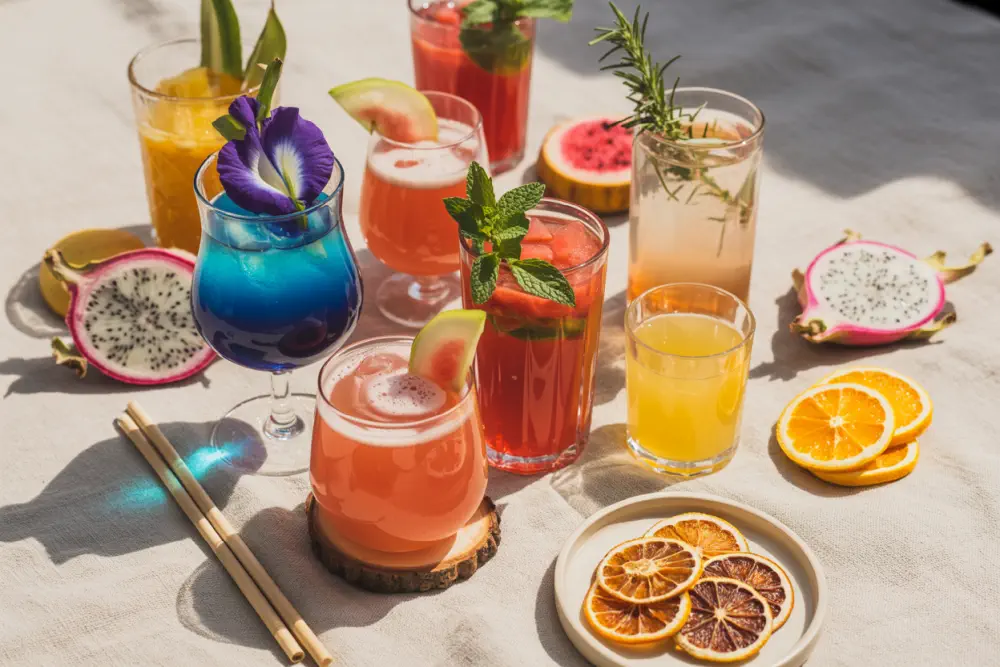
Make the non-alcoholic offerings special with options like high-quality, non-alcoholic sparkling apple cider served in champagne flutes for a festive feel that gives the experience of champagne without the alcohol; cranberry spritzer made by mixing cranberry juice with sparkling water and a splash of lime for a refreshing, holiday-appropriate beverage that includes traditional Thanksgiving flavors; herb-infused lemonades with rosemary, thyme, or sage that offer complexity that complements Thanksgiving flavors while providing grown-up beverage options; and non-alcoholic mulled cider warmed with cinnamon sticks, cloves, and orange slices to provide a comforting, aromatic option that fills the home with holiday scents.
For more inspiration, check out our collection of festive mocktail recipes that are perfect for holiday celebrations. These alcohol-free creations offer complex flavors and beautiful presentations that rival their alcoholic counterparts.
For guests who prefer beer to wine, consider these Thanksgiving-friendly options: Belgian-style ales, whose complex, spicy character complements many Thanksgiving dishes while offering interesting yeast-derived flavors that add dimension to the pairing experience; brown ales, whose nutty, malty notes work well with roasted turkey and stuffing while providing enough structure without overwhelming; pumpkin ales, whose seasonal spices echo those in many Thanksgiving dishes, creating a harmonious pairing experience that celebrates autumn flavors; and hard cider, particularly semi-dry versions that offer a beautiful alternative that pairs exceptionally well with turkey while providing a historical connection to early American drinking traditions.
As the meal winds down, offering warming beverages creates a cozy atmosphere: For wine drinkers, mulled wine recipes offer a comforting conclusion to the feast, with warming spices that aid digestion while creating a sense of togetherness; our delicious hot chocolate variations provide indulgent options for chocolate lovers that feel special while offering comfort as the evening progresses; and a chai-inspired spiced tea blend with cinnamon, cardamom, and cloves offers a lighter alternative that provides aromatic pleasure without additional heaviness after a big meal.
Remember to present non-alcoholic options with the same care and attention as alcoholic beverages. Beautiful glassware, garnishes, and presentation make everyone feel equally valued regardless of their beverage choice. Thoughtful service shows that choosing not to drink alcohol is a valid preference that deserves respect and accommodation.
Conclusion: Embracing the Spirit of Thanksgiving Through Wine
The perfect Thanksgiving wine pairing is ultimately about more than just complementary flavors—it’s about enhancing the celebration and creating memorable experiences with loved ones. Wine, like food, brings people together and adds a special dimension to our most cherished gatherings. The thoughtful selection and presentation of wines shows care for your guests and attention to detail that makes the entire celebration better. At its best, wine serves as a conversation starter, a sensory enhancement, and a way for shared enjoyment.

As you plan your Thanksgiving wine selection, remember these essential principles: choose versatile wines that work across multiple dishes rather than trying to pair each item individually, which simplifies your planning while ensuring cohesive dining experiences; offer a balanced selection that includes different styles to accommodate various preferences and dishes, acknowledging that guest enjoyment matters more than strict adherence to pairing rules; look for wines with good acidity to cut through rich Thanksgiving foods and refresh the palate between bites, preventing flavor fatigue during the extended meal; and remember that the “perfect” pairing is ultimately the one your guests enjoy most, regardless of what experts might recommend.
Wine has been a symbol of celebration, gratitude, and community throughout human history—qualities that match perfectly with the spirit of Thanksgiving. When we share wine at the Thanksgiving table, we participate in a tradition that goes beyond just drinking. The act of selecting wines with care, presenting them thoughtfully, and enjoying them together becomes another expression of the hospitality and attention that goes into preparing the meal itself. Wine connects us to farming traditions, to the specific places where grapes are grown, and to the people who transform those grapes into the complex drinks we enjoy. This connection to place and tradition fits deeply with Thanksgiving’s focus on harvest abundance and gratitude for the earth’s bounty.
As you prepare for your Thanksgiving celebration, we at Whaley Cooks hope this guide helps you approach wine selection with confidence and joy rather than stress or uncertainty. Remember that while the technical aspects of wine pairing are interesting, they’re less important than the main purpose of the holiday: gathering with loved ones in gratitude. Whether you choose fancy bottles or simple selections, serve them with warmth and generosity, and they will make your celebration better. The shared experience of enjoying food and drink together creates bonds and memories that last far longer than the technical details of what was served. For more inspiration for your Thanksgiving feast, explore our complete collection of Thanksgiving recipes and planning guides.
From all of us at Whaley Cooks, we wish you a joyful, delicious, and wine-filled Thanksgiving celebration!