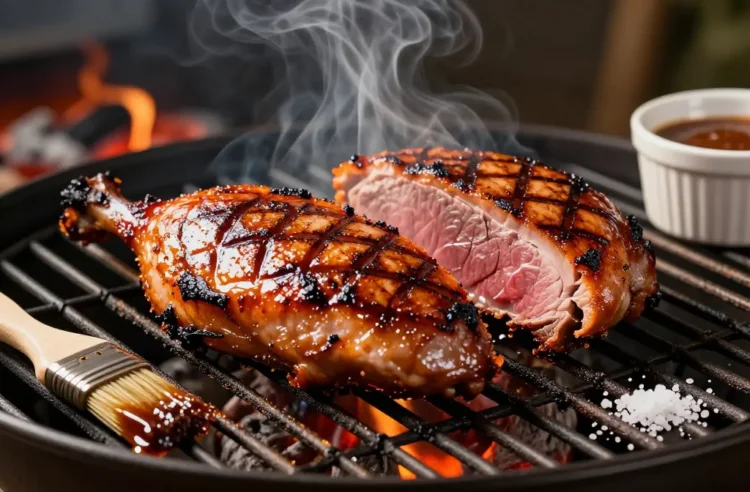
- Best for: Backyard grilling when you want crispy skin with rich, rosy meat
- Make ahead: Yes — marinade up to 24 hours; dry uncovered 4–12 hours
- Serves: 4 duck breasts (about 4–6 servings)
- Key tip: Score and dry the skin before grilling to render fat and guarantee crispness
BBQ Marinade for Duck Breast — Rendered Fat and Crispy Skin is all about balancing bold flavor with proper technique. Duck rewards you when you treat its fat like an asset, not a hurdle. A smart marinade seasons the meat, but the skin needs scoring, salting, and drying to really shatter. In this guide, you’ll get a proven marinade, a step-by-step for rendering on the grill, and clear timing so your duck lands juicy with glassy skin.
Know Your Duck: Skin, Fat, and Heat
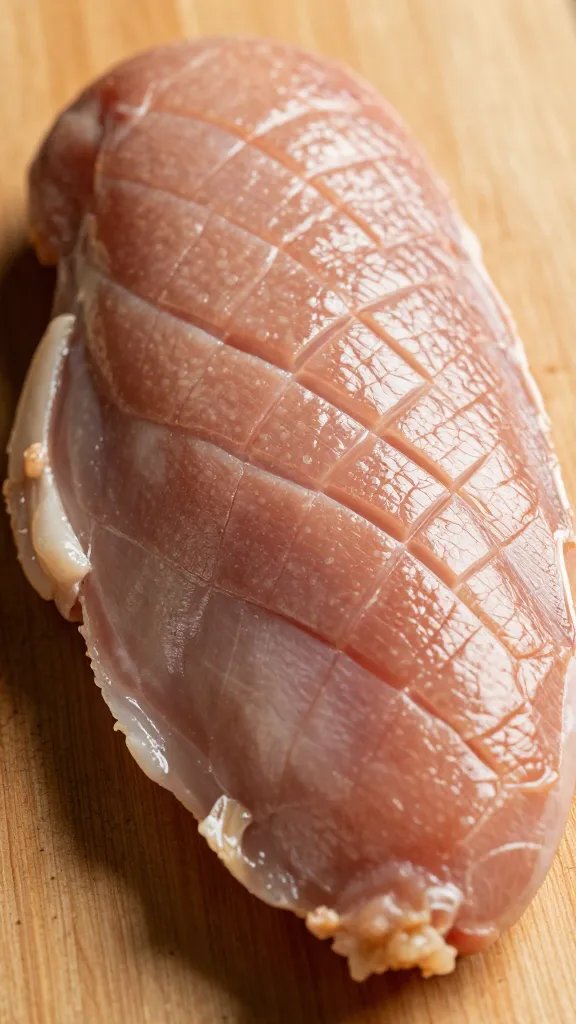
Duck breast has a thick cap of fat under the skin. You want it mostly rendered so the skin crisps, but the meat stays medium-rare. That means gradual heat first, high heat last.
Start skin-side down over indirect heat to melt fat slowly. Then finish over direct heat to crisp the skin and quickly bring the meat to temp.
The Marinade: Bold, Balanced, and Grill-Friendly
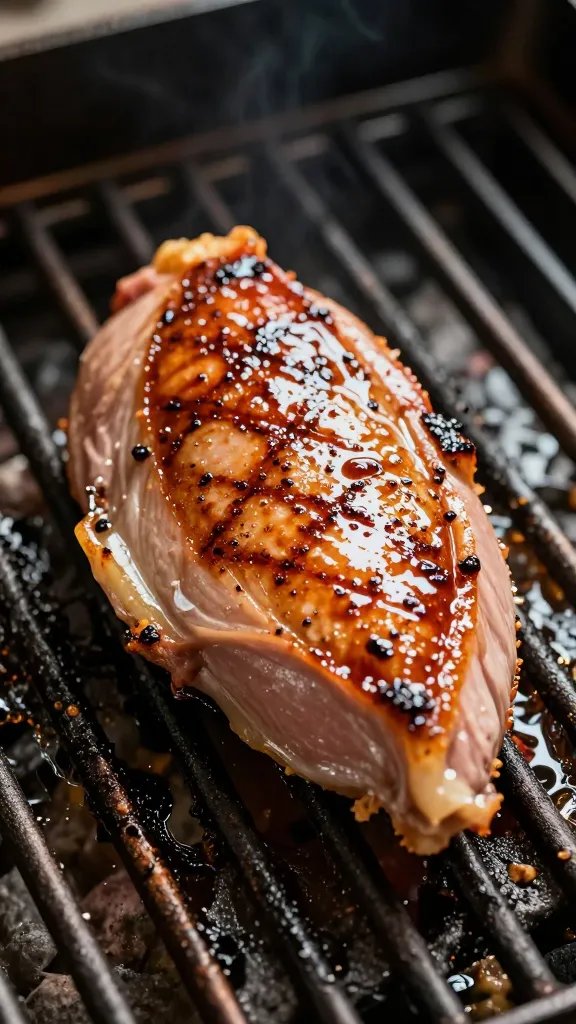
This marinade hugs classic BBQ notes without masking duck’s savoriness. It’s salty-sweet-tangy with aromatic depth.
- 3 tbsp soy sauce (or tamari)
- 2 tbsp maple syrup (or honey)
- 1 tbsp apple cider vinegar (or sherry vinegar)
- 1 tbsp Dijon mustard
- 1 tbsp orange juice (fresh) + 1 tsp zest
- 1 tbsp neutral oil (avocado/grapeseed)
- 2 garlic cloves, grated
- 1 tsp smoked paprika
- 1/2 tsp black pepper (freshly ground)
- Optional heat: 1/4–1/2 tsp Aleppo pepper or chili flakes
Whisk until smooth. The soy and mustard boost umami and help browning, while citrus lifts the richness. Keep sugar modest so it doesn’t scorch during the final sear.
Prep Steps: Scoring, Salting, and Smart Marinating
1) Score the Skin
Use a sharp knife to lightly score the skin in a 1/2-inch crosshatch, cutting through skin and most fat but not into the meat. This lets fat escape and prevents blistering.
2) Season First, Then Marinate
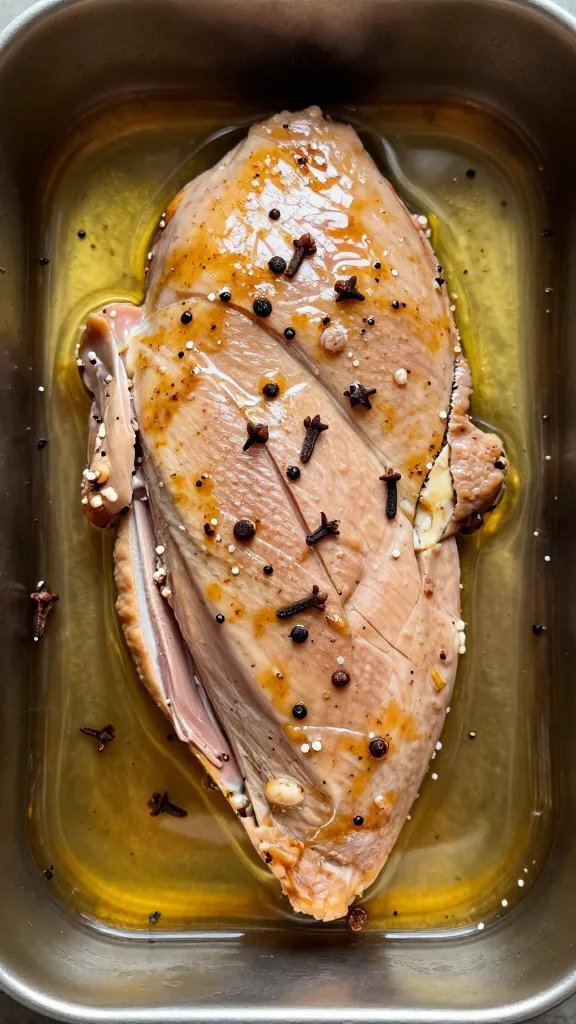
Sprinkle the skin with kosher salt. Flip and salt the meat side lightly. Place breasts meat-side down in a shallow dish and pour on the marinade—keep the skin mostly out of liquid to avoid sogginess.
- Time: 2–4 hours for weeknights; up to 24 hours for deeper flavor.
- Turn once or twice, always returning skin-side up.
3) Dry the Skin Uncovered
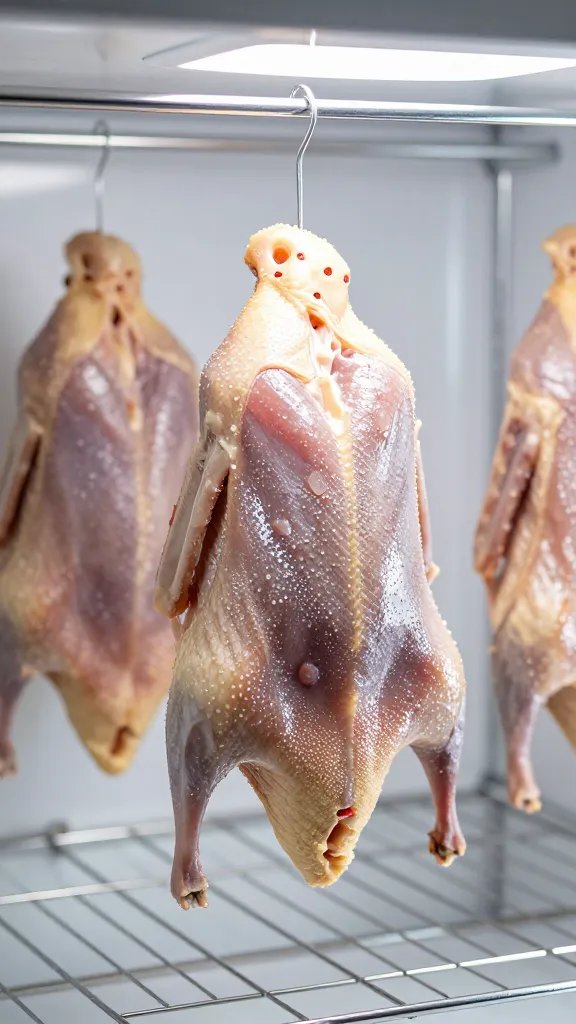
After marinating, pat the skin dry. Set on a rack, skin-side up, uncovered in the fridge for 4–12 hours. This step is the difference between tasty and epic.
Grill Setup: Render, Then Crisp
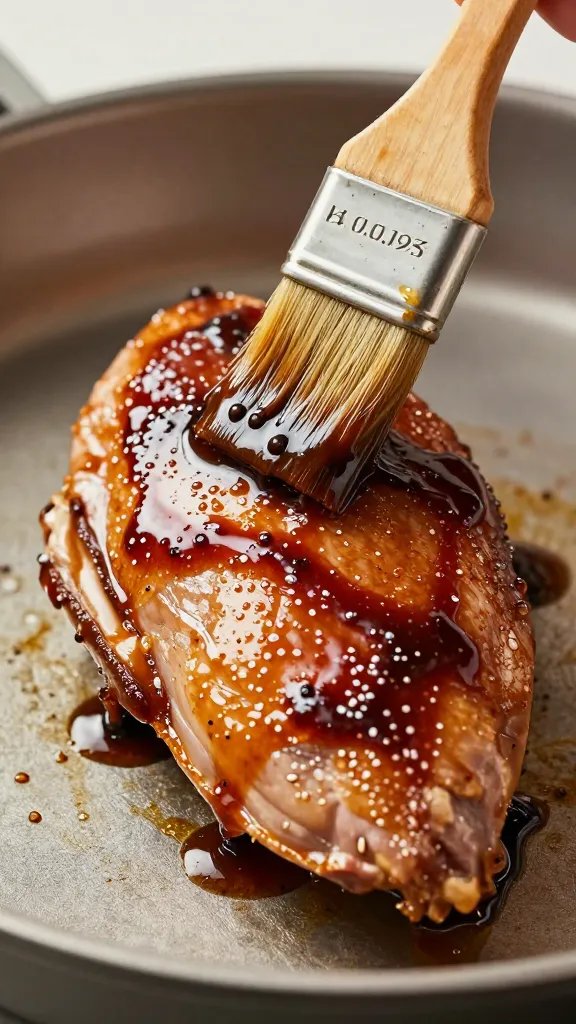
Use a two-zone grill: one side low/indirect, the other side medium-high direct. Duck likes control.
- Preheat: Aim for about 325–350°F on the indirect side; 450–500°F on the direct side.
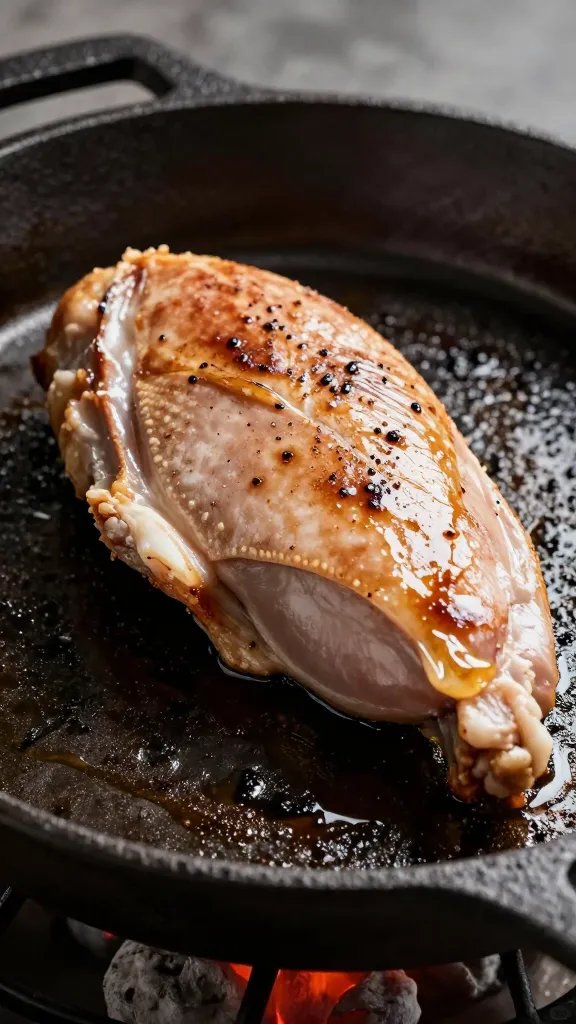
- Start Indirect, Skin Down: Place breasts skin-side down over indirect heat. Close lid. Cook 12–18 minutes, rotating occasionally so the skin renders evenly. Spoon off collected fat if pooling.
- Flip to Indirect, Meat Down: 3–5 minutes to warm through. Target internal temp 120–125°F before the final sear.
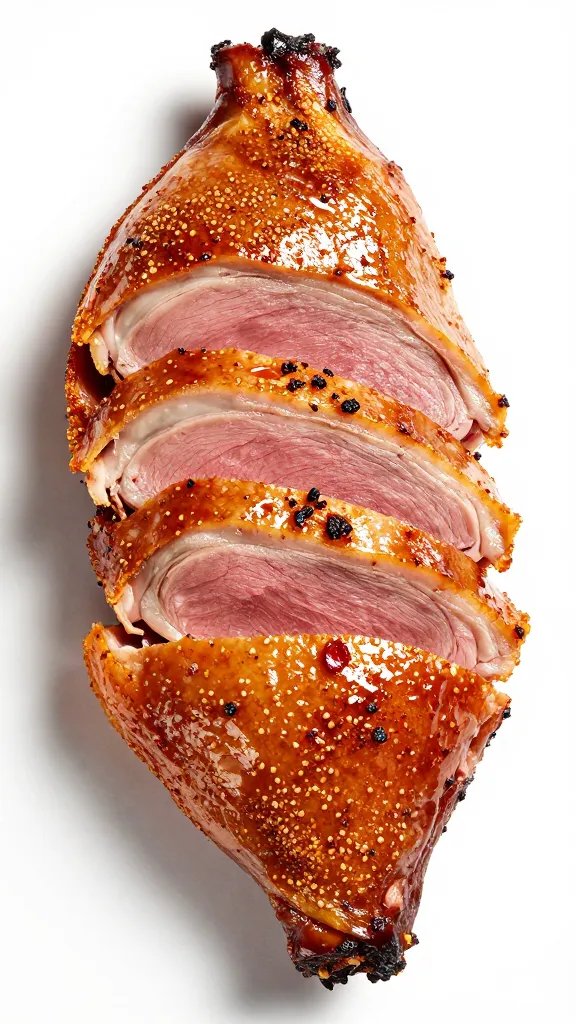
- Sear Direct, Skin Down: Move over high heat, skin-side down, 60–120 seconds until deep golden and crisp. Flip and kiss the meat side 30–45 seconds.
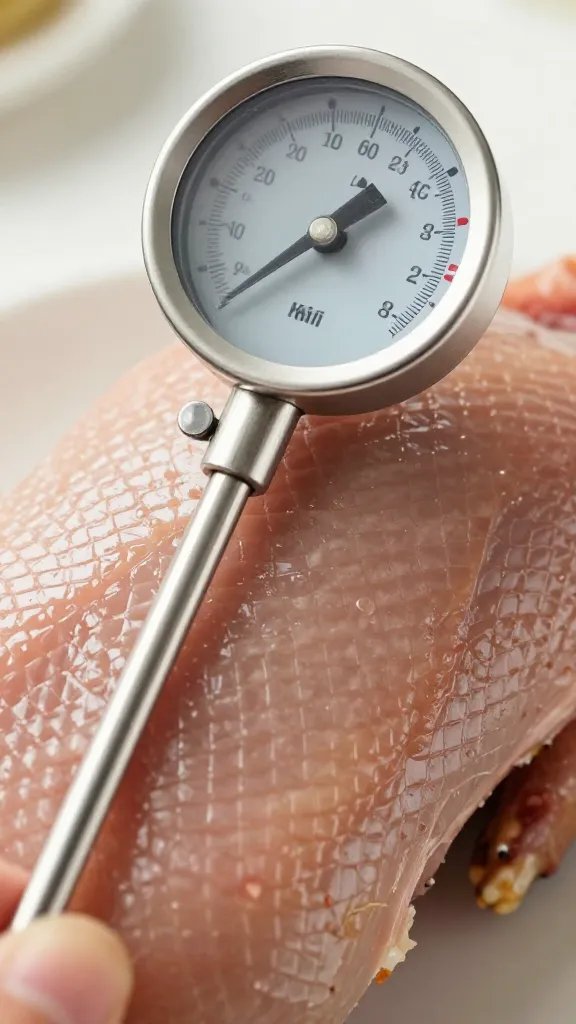
- Final Temp: Pull at 128–132°F for medium-rare; it will rise to 130–135°F during rest.
- Rest: 8–10 minutes, tented loosely. Slice across the grain.
Tip: If flare-ups threaten, shift back to indirect briefly. Rendered duck fat is delicious—and flammable.
BBQ Marinade for Duck Breast: Flavor Swaps and Sides
Flavor Variations
- Bourbon + Brown Sugar: Swap maple for brown sugar and add 1 tbsp bourbon; great with peach slices on the grill.
- Miso + Ginger: Replace Dijon with white miso; add 1 tsp grated ginger. Keep orange zest.
- Pomegranate Molasses: Swap citrus for 2 tsp pomegranate molasses; finish with chopped pistachios.
What to Serve
- Grilled stone fruit or orange segments to echo the marinade.
- Charred scallions or broccolini to cut richness.
- Crispy potatoes tossed in a spoon of duck fat—waste nothing.
- A bright herb sauce like this chimichurri recipe for contrast.
Common Pitfalls (And Easy Fixes)
- Skin won’t crisp: It wasn’t dried enough, or you rushed to high heat. Next time, dry longer and start indirect.
- Greasy mouthfeel: Not enough rendering time. Keep it skin-side down indirect until most fat has melted.
- Burned edges: Sugar too high or heat too direct too early. Use modest sweeteners and save sear for the end.
- Overcooked meat: Final temp crept past 140°F. Use a thermometer and rest properly.
Serving and Saucing: Finish Like a Pro
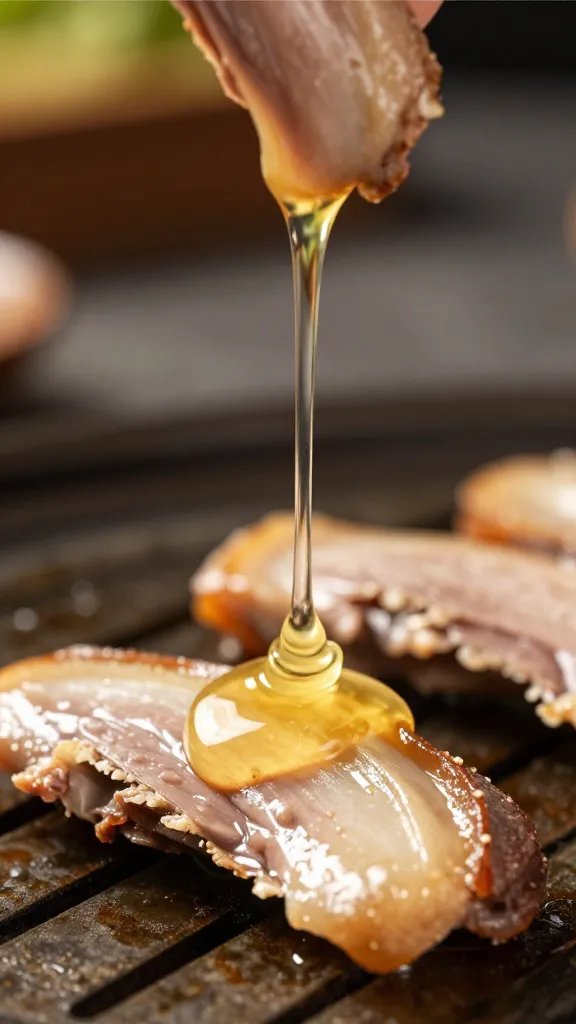
Slice duck into 1/4–1/2-inch pieces and fan over a platter to keep the skin exposed. Drizzle sparingly with any reduced pan juices or a quick glaze.
- Quick glaze: Simmer 1/4 cup orange juice, 1 tbsp soy, 1 tsp maple, and a knob of butter until syrupy—2–3 minutes.
- Fresh counterpoint: A spoonful of bright herb salsa verde or pickled onions cuts the richness.
From My Kitchen: What Actually Works
I’ve tested marinating duck breast both submerged and with the skin exposed. Keeping the skin out of the liquid gives consistently crisper results after drying. I also time the indirect render: at the 12-minute mark, I check for bubbling across the entire skin—uneven bubbling means rotate and give it 3–5 more minutes. Finally, I pull at 130°F and rest 10 minutes; slicing earlier leads to pink juices flooding the board and a drier bite.
Frequently Asked Questions
How long should I marinate duck breast for the best flavor?
Two to four hours adds clear flavor without oversoftening the surface. For deeper penetration, go up to 24 hours. Keep the skin dry and mostly out of the liquid so it still crisps on the grill.
Can I make BBQ Marinade for Duck Breast ahead of time?
Yes. Mix the marinade up to 5 days ahead and refrigerate. You can also marinate the meat side up to 24 hours in advance, then dry the skin uncovered 4–12 hours before grilling.
What’s the ideal internal temperature for juicy duck breast?
Pull at 128–132°F for medium-rare; it will carry over to 130–135°F during rest. If you prefer medium, pull at 135°F. Higher than 140°F dries the texture and dulls the flavor.
How do I keep the skin crispy after cooking?
Rest on a rack, not a plate, so steam doesn’t soften the crust. Slice just before serving and avoid pooling sauces over the skin—drizzle on the meat side or serve sauce on the side.
Can I use this marinade for other cuts of duck?
Yes. It works well for bone-in duck legs and whole duck, though timing changes. For legs, braise or confit first, then finish on the grill with a light brush of the marinade to prevent burning.
What if I don’t have a grill—can I pan-sear instead?
Absolutely. Start skin-side down in a cold, oven-safe pan over medium heat for 8–12 minutes to render, pour off fat, then finish in a 375°F oven to 128–132°F. Quick stovetop sear at the end for extra crisp.
The Bottom Line
A great BBQ marinade complements duck’s richness, but crisp skin comes from scoring, salting, and a patient render before a hot sear. Do those steps right, and you’ll get shatteringly crisp skin with rosy, juicy meat every time.
Planning to try this? Save this post so you can find it when you need it — and tag us when you make it.