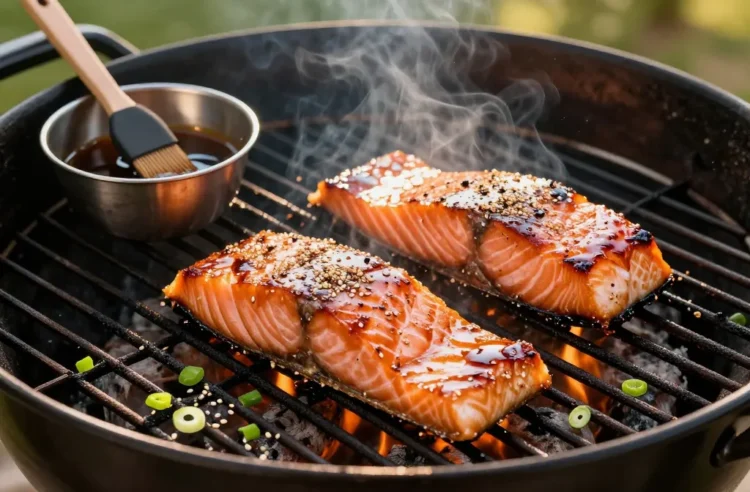
- Best for: Weeknight dinners or casual backyard grilling
- Make ahead: Yes — mix the glaze up to 5 days ahead
- Serves: 4 fillets or steaks (about 1 1/2 pounds of fish)
- Key tip: Pat fish dry and glaze in the last 2–3 minutes to prevent burning
Brown Sugar and Soy Glaze for Grilled Salmon and Tuna delivers that salty-sweet, glossy finish that makes seafood taste like a restaurant special. The combo balances rich fish with caramelized edges and a savory backbone — with ingredients you probably have. We’ll cover a dependable base recipe, timing for salmon vs. tuna, and smart make-ahead strategies. By the end, you’ll know exactly how to mix, reduce, and glaze without burning or overcooking your fish.
Why This Glaze Works
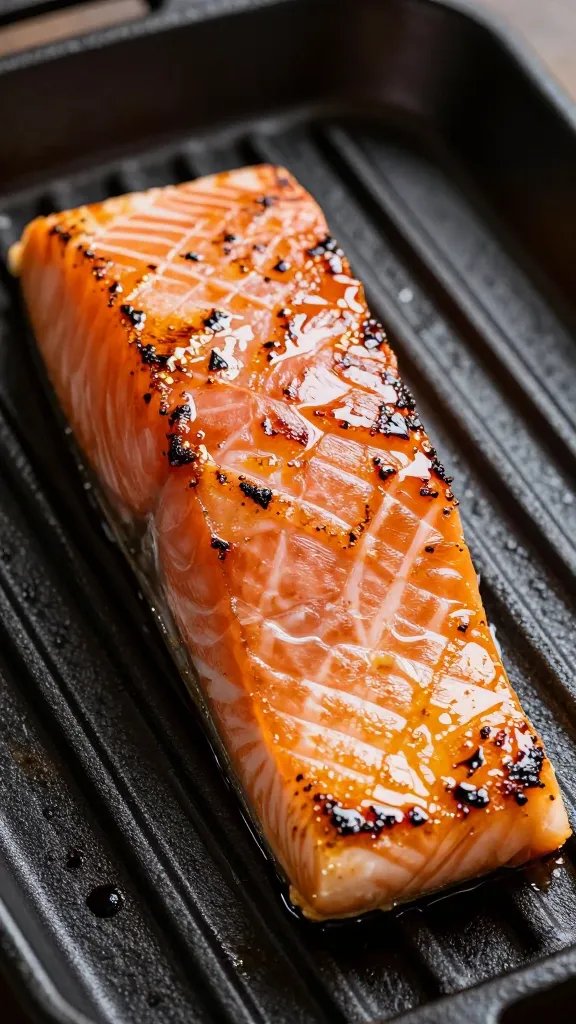
Brown sugar brings gentle molasses notes that pair with the umami of soy. That contrast makes fatty fish like salmon feel brighter and leaner fish like tuna feel more luxurious.
Because sugar caramelizes quickly, the glaze clings fast, creating a shiny finish. Add a touch of acid and heat, and the sauce stays balanced, not cloying.
- Umami + Sweet: Soy sauce deepens flavor; brown sugar adds body.
- Acid: Rice vinegar or lime keeps it lively.
- Heat: Red pepper flakes or fresh ginger for warmth.
- Aromatics: Garlic and sesame make it feel complete.
Base Recipe: Brown Sugar and Soy Glaze
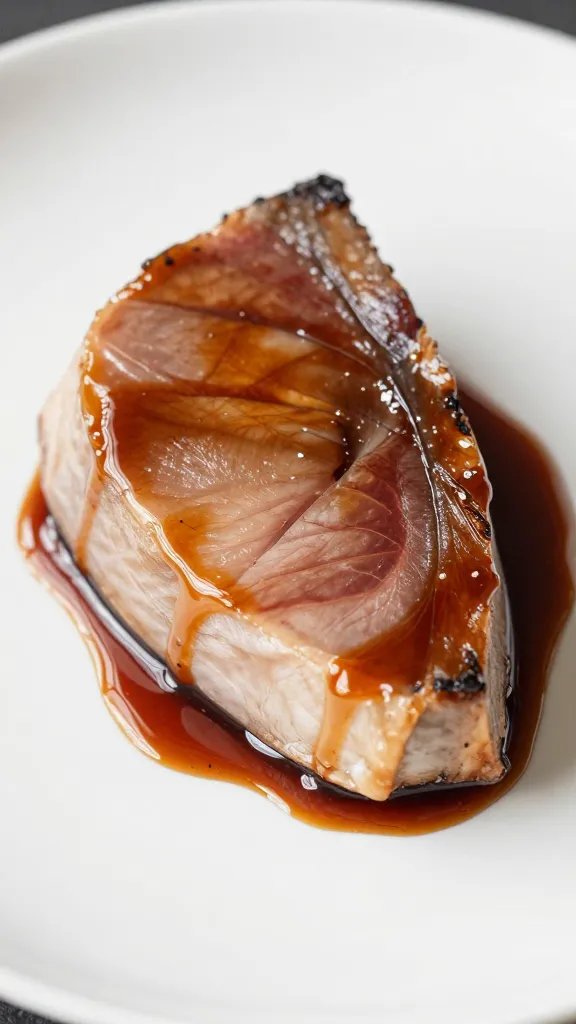
Ingredients (makes about 2/3 cup)
- 1/3 cup low-sodium soy sauce
- 1/3 cup packed brown sugar (light or dark)
- 1 tablespoon rice vinegar (or lime juice)
- 1 tablespoon mirin or dry sherry (optional, but lovely)
- 1 teaspoon grated fresh ginger
- 1 small garlic clove, finely grated
- 1/2 teaspoon red pepper flakes (or 1 teaspoon sriracha)
- 1 teaspoon toasted sesame oil
Method
- In a small saucepan, whisk soy, brown sugar, vinegar, and mirin. Add ginger, garlic, and chili.
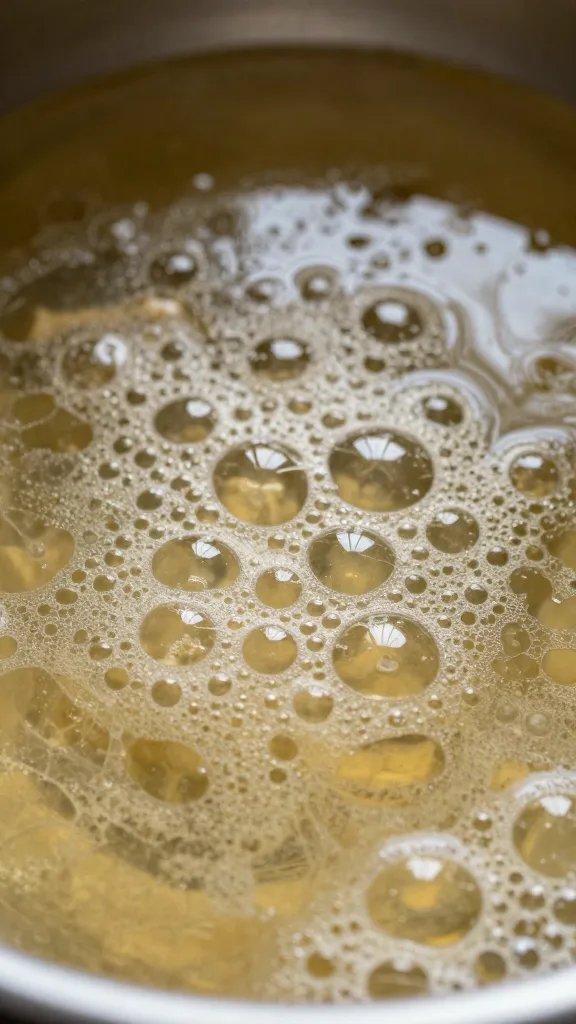
- Bring to a gentle simmer over medium heat. Cook, stirring, until slightly thick and glossy, 6–8 minutes. It should coat the back of a spoon.
- Remove from heat and stir in sesame oil. Cool. The glaze thickens a bit more as it stands.
Consistency check: You want a syrup that pours in a ribbon, not a sludge. Too thick? Whisk in 1–2 teaspoons water. Too thin? Simmer 1–2 more minutes.
Grilling 101: Salmon vs. Tuna
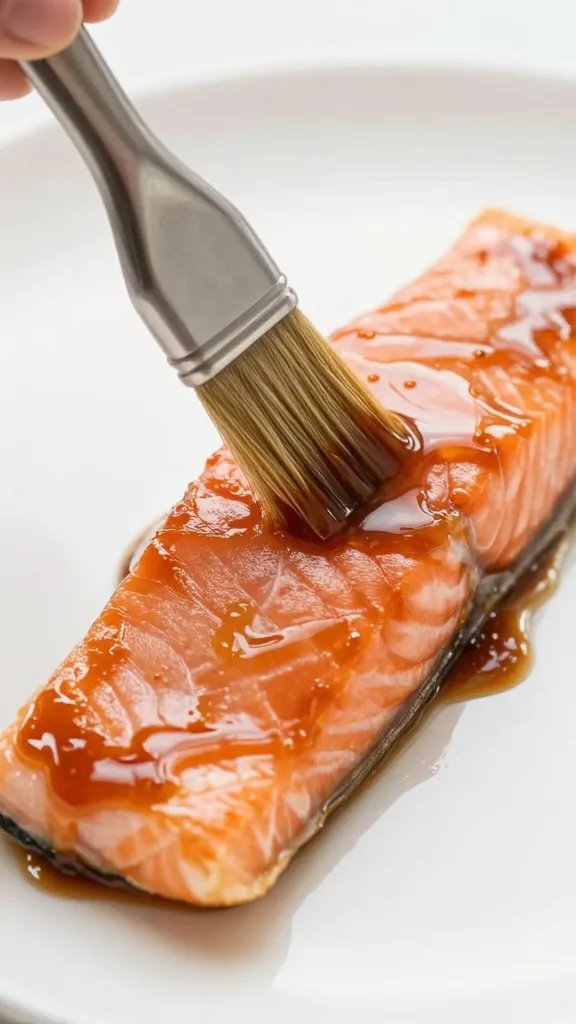
Salmon and tuna both love this glaze, but their textures ask for slightly different handling. Tuna is lean and cooks fast; salmon is richer and tolerates a touch more heat.
For Salmon Fillets
- Prep: Pat very dry. Lightly oil and season with salt and pepper.
- Grill temp: Medium-high, grates well-oiled.
- Time: 6–8 minutes total for 1-inch fillets (skin-on helps). Start skin-side down.
- Glaze timing: Brush in the last 2–3 minutes. Flip once; add a final brush right before pulling off.
For Tuna Steaks
- Prep: Pat dry. Oil lightly; season simply.
- Grill temp: High heat for quick sear.
- Time: 1 1/2–2 minutes per side for medium-rare (thickness matters).
- Glaze timing: Brush during the final 30–45 seconds per side. Tuna overcooks fast; keep it blushing in the center.
Why glaze late? Sugar burns. Late basting gives shine and flavor without charring.
Smart Variations (Same Base, New Personality)
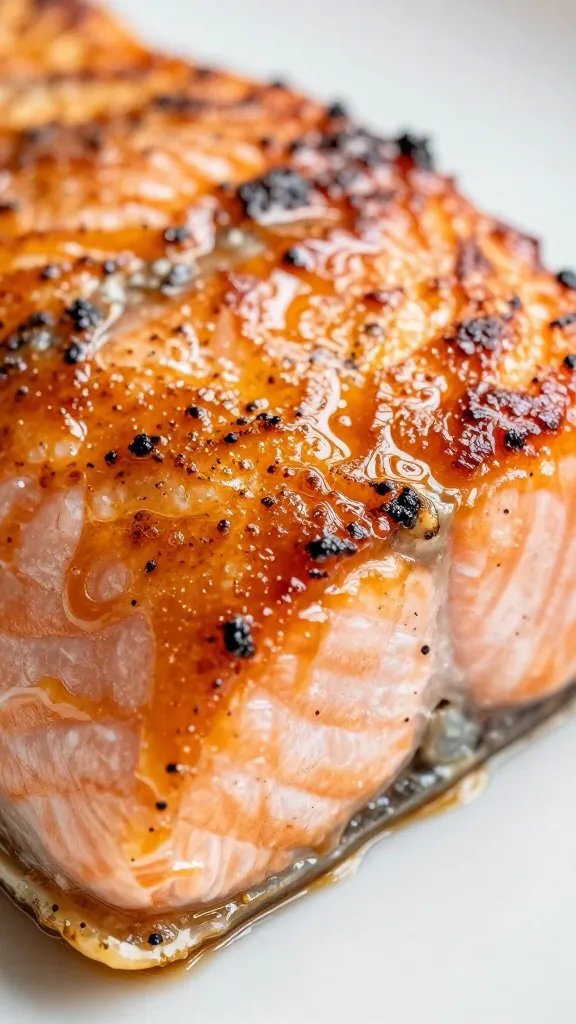
- Citrus-Lime: Swap rice vinegar for lime juice; add 1 teaspoon lime zest. Finish fish with fresh lime.
- Maple-Soy: Replace half the brown sugar with maple syrup for a cleaner sweetness.
- Gochujang Kick: Whisk in 1–2 teaspoons gochujang for body and heat.
- Pineapple Teriyaki: Add 2 tablespoons pineapple juice and a pinch of five-spice; reduce 1–2 extra minutes.
- Sesame-Scallion: Stir in sliced scallions off heat; sprinkle toasted sesame seeds on the plated fish.
Make-Ahead, Storage, and Food Safety
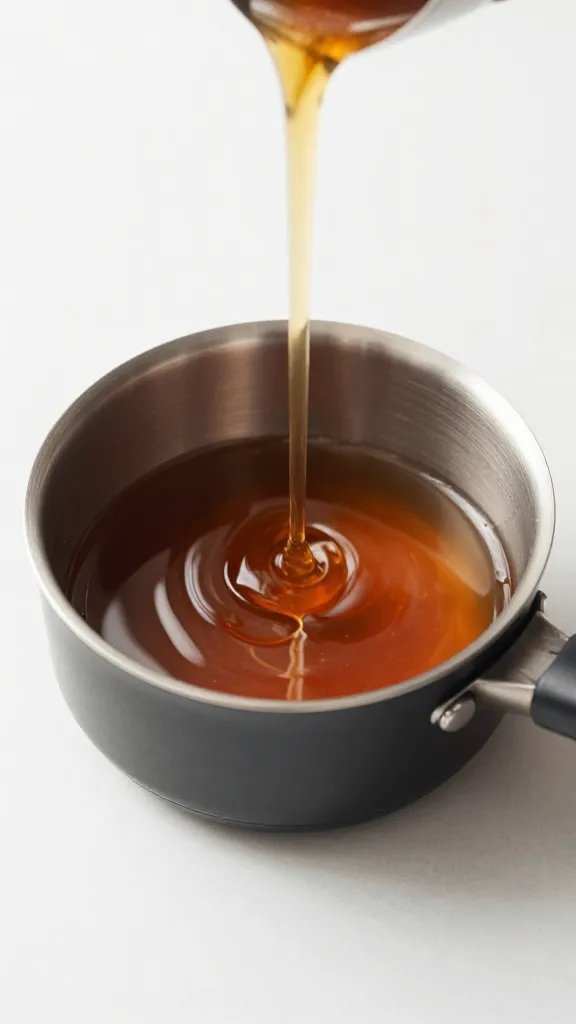
The glaze is safest and tastiest when cooked in advance. Store it separately and glaze during the final grill minutes.
- Fridge: Up to 5 days in a sealed jar.
- Freezer: Up to 2 months. Thaw overnight; re-warm gently with a teaspoon of water if needed.
- Marinade? You can marinate salmon for 20–30 minutes. For tuna, keep it to 10–15 minutes to avoid a cured texture.
- Leftover fish: 2–3 days in the fridge. Reheat gently or flake cold into bowls.
How to Serve: Sides and Sauces That Click
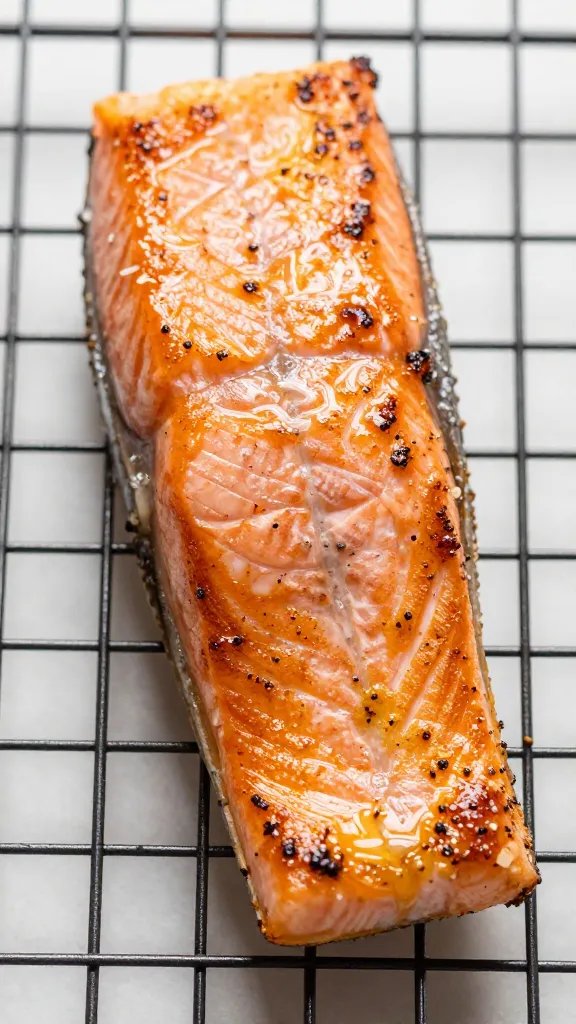
Lean, bright sides keep the plate focused. Think contrast in texture and temperature.
- Crunchy: Shaved cucumber salad with rice vinegar and sesame.
- Starchy: Coconut rice or garlicky quinoa.
- Green: Charred broccolini or snap peas tossed with sesame oil.
- Fresh-herb: Spoon a little of this chimichurri recipe over tuna for herbaceous contrast.
- Extra sauce: Serve a warmed side dish of glaze for dipping — but keep it separate from raw proteins.
Technique Tips for a Clean, Glossy Finish
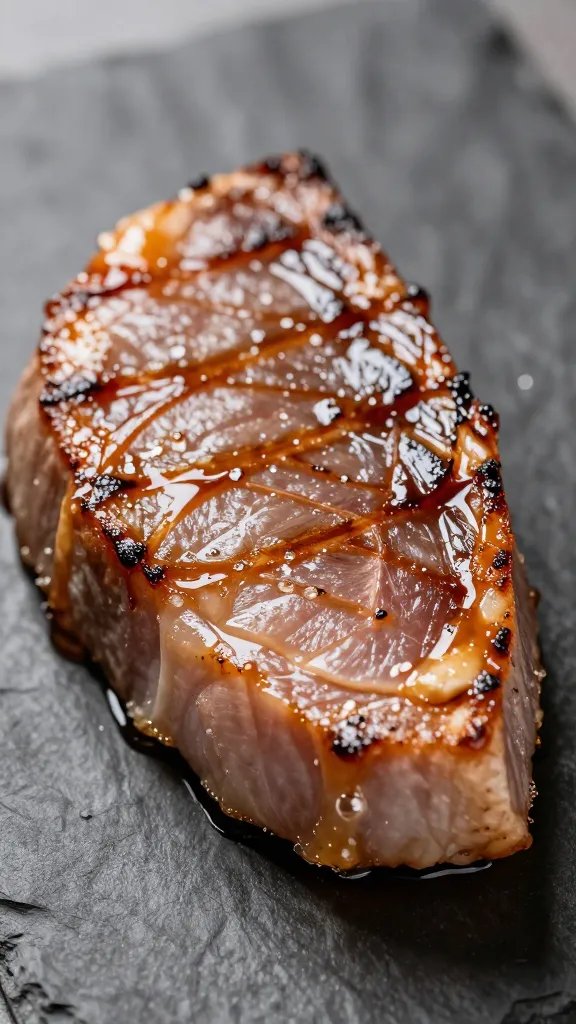
- Dry the fish thoroughly. Surface moisture blocks searing and dilutes glaze.
- Oil the grates, not just the fish. A folded, oiled paper towel and tongs do the trick.
- Two brushes, not one. First brush to set, second for shine right before serving.
- Rest 3 minutes. Juices redistribute; glaze settles and stops sliding.
- Indoor option: Broil on a foil-lined sheet, last 2 minutes with glaze, watching closely.
From My Kitchen: What Actually Works
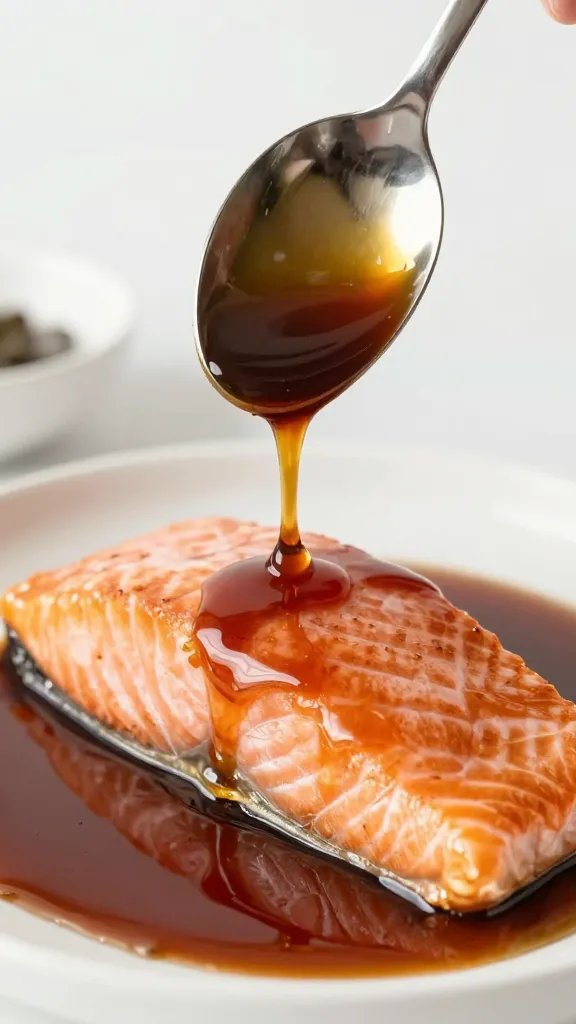
The glaze needs a full 7–8 minute simmer to reduce enough to cling — at 5 minutes it tastes fine but slides off the fish. I also scale salt carefully: when I double the recipe, I keep the soy at 1 3/4x to avoid an overly salty finish after reduction. For salmon, I’ve tested glazing at the halfway mark and again at the end; the early coat scorched more often, while a single late glaze plus a final off-heat brush gave the cleanest sheen. On tuna, 30 seconds of glazed heat per side is the sweet spot — any longer dulls the rosy center.
Grilling for a Crowd
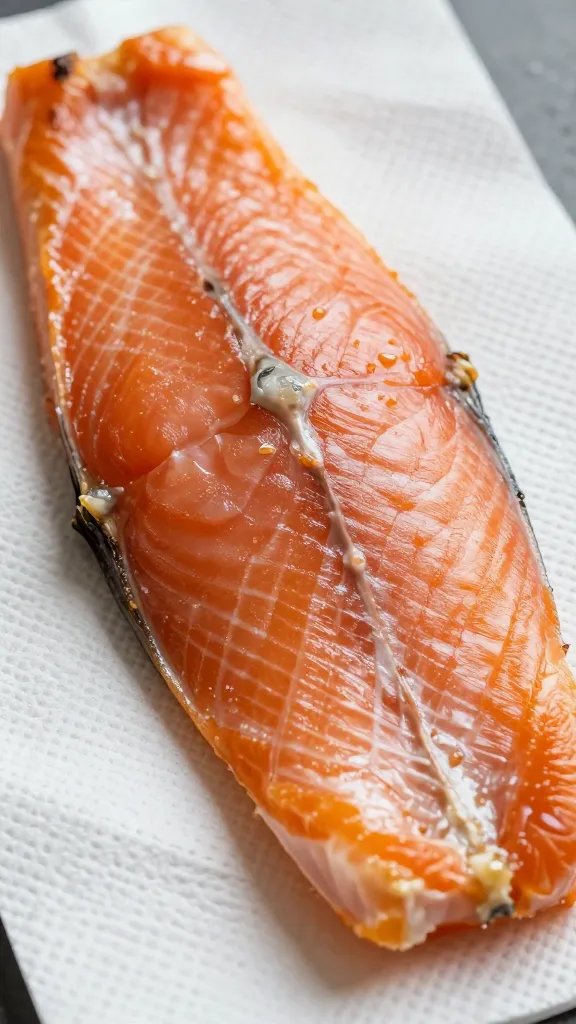
Keep things moving by pre-cooking the glaze and organizing the grill in zones. Hot for sear, medium for finish.
- Batching: Grill fish plain first, park on medium zone, then glaze in waves to prevent burning and bottlenecks.
- Serving: Arrange on a platter, drizzle a spoon of warmed glaze, and finish with lime and sesame seeds.
- Add-on: If you’re doing mixed proteins, this ginger-garlic marinade for chicken pairs well on the same menu.
Frequently Asked Questions
Can I make Brown Sugar and Soy Glaze for Grilled Salmon and Tuna ahead of time?
Yes. Cook and cool the glaze, then refrigerate for up to 5 days or freeze for 2 months. Rewarm gently before using so it brushes on smoothly.
How long does the glaze keep in the fridge?
Up to 5 days in a sealed container. If it thickens too much when cold, whisk in a teaspoon of water while warming.
Do I marinate or just glaze salmon and tuna?
Both work, but keep it short. Salmon can marinate 20–30 minutes; tuna should stay closer to 10–15 minutes to keep its texture. Always finish with a fresh brush of glaze on the grill.
What if my glaze burns on the grill?
Glaze later and lower the heat slightly. Sugary sauces need only the last 2–3 minutes; move fish to a medium zone and brush right before pulling off.
Can I use this glaze in the oven or air fryer?
Yes. Bake or air-fry the fish until nearly done, then brush on the glaze for the final 2–3 minutes. Watch closely under the broiler — it goes from glossy to scorched fast.
What’s the best way to serve Brown Sugar and Soy Glaze for Grilled Salmon and Tuna for a crowd?
Grill in batches, glaze at the end, and hold on a warm platter. Offer extra warmed glaze on the side, plus lime wedges and sesame seeds for quick finishing at the table.
The Bottom Line
This brown sugar–soy combo delivers a shiny, savory-sweet finish that flatters both salmon and tuna. Make the glaze ahead, brush late, and serve with bright sides for an effortless dinner that tastes polished.
Planning to try this? Save this post so you can find it when you need it — and tag us when you make it.