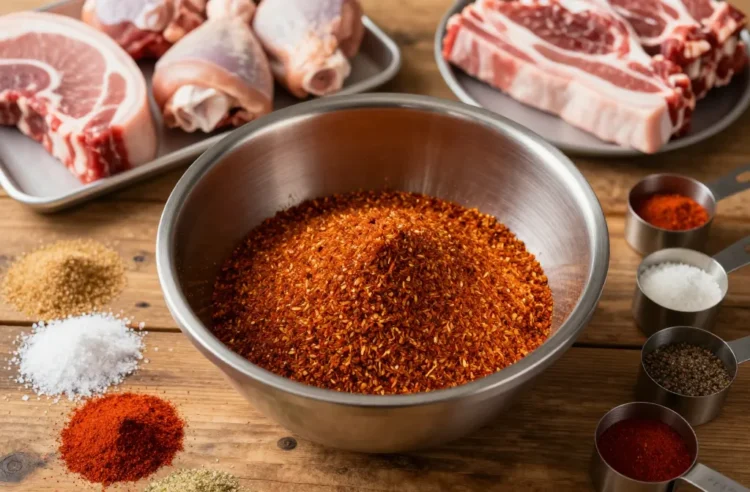
- Best for: Backyard parties, tailgates, church picnics, and meal prep
- Make ahead: Yes — mix up to 6 months in advance if stored airtight
- Serves: Seasoning for 30 to 100 people (5–20 pounds of meat)
- Key tip: Scale everything evenly, then adjust salt and heat last
How to Make BBQ Rub in Bulk — Scaling Recipes for 30 to 100 People isn’t complicated, but a few smart moves keep flavor balanced. Bulk spice blends can skew salty or spicy fast, and storage matters as much as the mix. I’ll show you reliable base ratios, exact scaling for common crowd sizes, and how to tailor heat and sweetness to different meats. By the end, you’ll have a bulk rub template, tested multipliers, and make-ahead tips that actually work.
Start With a Solid Base Ratio
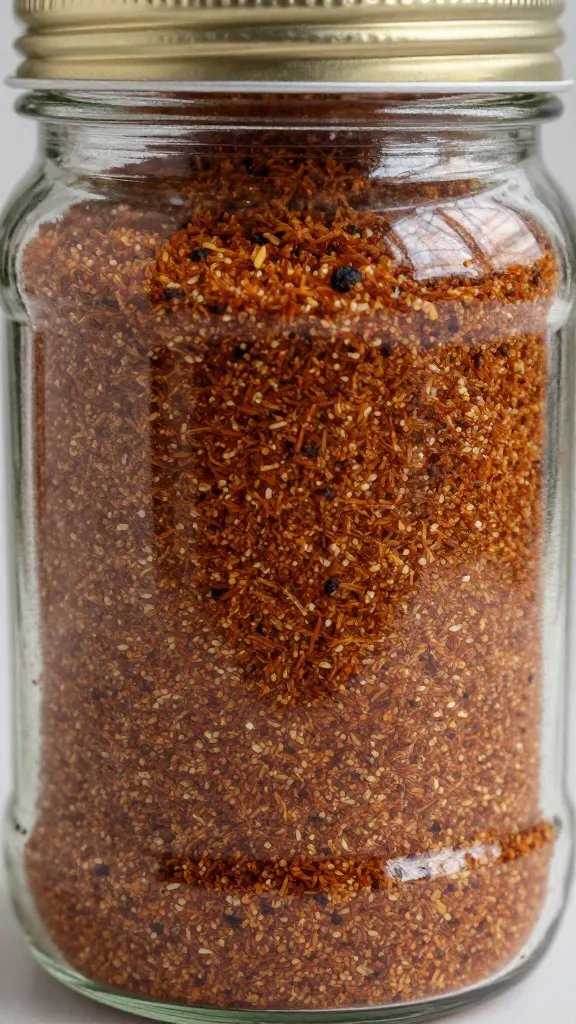
A dependable all-purpose BBQ rub starts with a simple balance of sweet, savory, heat, and aroma. Use this base ratio by volume to season pork, chicken, and ribs.
- Sweet: 4 parts light brown sugar
- Savory: 2 parts kosher salt
- Body: 2 parts paprika (half sweet, half smoked if you like)
- Aromatics: 1 part granulated garlic + 1 part onion powder
- Heat: 0.5 part black pepper + 0.5 part chili powder
- Optional kick: 0.25 part cayenne
Why it works: The sugar helps bark formation, salt drives seasoning into the meat, and paprika adds color and gentle warmth. Adjust heat and salt last so you don’t overcorrect.
Exact Scaling for 30, 50, and 100 People
Plan 1 to 1.25 tablespoons of rub per pound of meat. A typical crowd plate is 6–8 ounces cooked meat, which often starts as 1 pound raw for brisket/pulled pork (shrinkage) or 0.5–0.75 pound for chicken.
Quick Multipliers
- 30 people: 10–15 pounds total meat → 1 to 1.25 cups rub
- 50 people: 18–25 pounds total meat → 2 to 2.75 cups rub
- 100 people: 35–50 pounds total meat → 4 to 6 cups rub
Batch Recipe by Cups (All-Purpose)
Use “parts” as 1/4 cup for about 2.75 cups total rub:
- Brown sugar: 1 cup
- Kosher salt: 1/2 cup
- Paprika (mix smoked/sweet): 1/2 cup
- Garlic: 1/4 cup
- Onion: 1/4 cup
- Black pepper: 2 tablespoons
- Chili powder: 2 tablespoons
- Cayenne (optional): 1 tablespoon
Scale up: Double for 5.5 cups (about 50 people). Quadruple for 11 cups (up to 100+ with chicken-heavy menus).
Dial It In for Different Meats
Not all proteins want the same rub. Small tweaks make a big difference.
Pork Shoulder and Ribs
- More sweet: Add 1 extra part brown sugar per batch for deeper caramelization.
- Mustard note: 1 part dry mustard brightens pork without heat.
- Tip: Keep salt at baseline to avoid hammy flavors in long cooks.
Chicken (Whole, Thighs, Wings)
- Less sugar: Reduce sugar by 1 part to prevent burning at higher temps.
- Herbal lift: Add 1 part dried thyme or oregano, crumbled fine.
- Tip: Use fine grind spices so the rub adheres to skin.
Beef Brisket and Short Ribs
- Salt-forward, low sugar: Cut sugar to 1–2 parts total or skip it.
- Pepper-heavy: Double black pepper; add 1 part ground coriander for depth.
- Tip: Use coarse ground pepper for a classic Texas bark.
Measure by Weight for Consistent Results
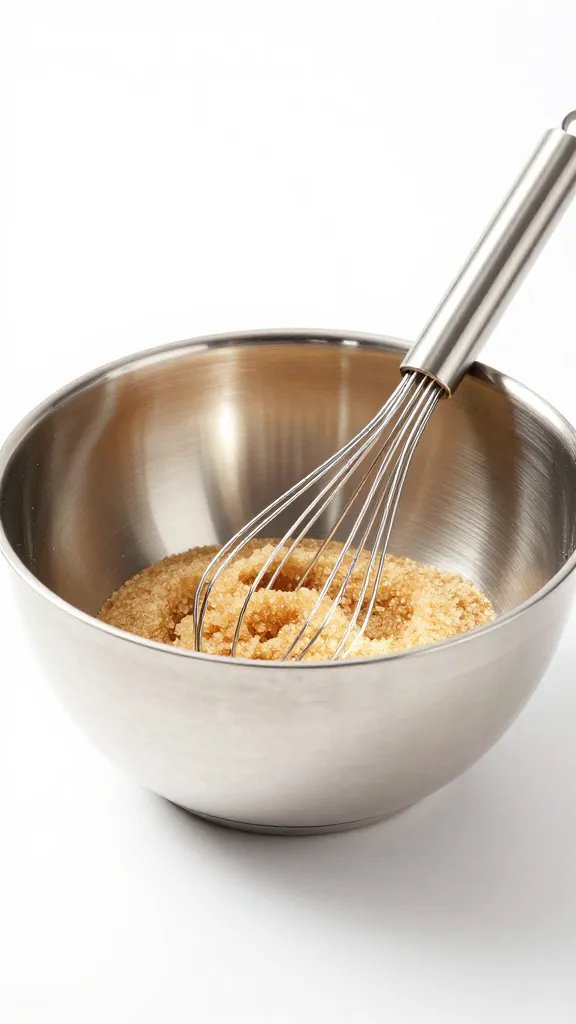
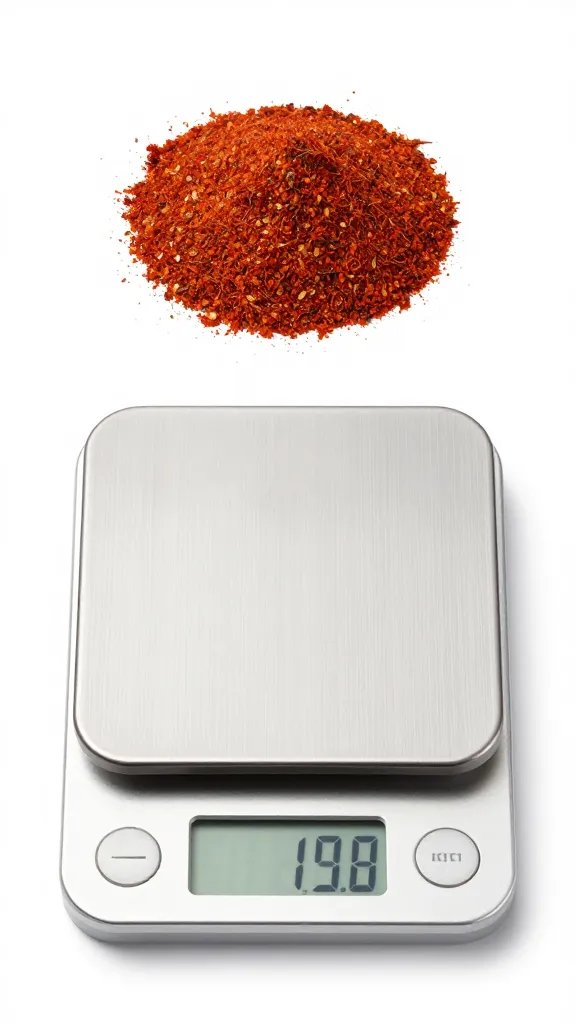
Volume lies when spices pack differently. Weighing keeps batches identical and easy to scale.
Weighted Base (Makes ~500 g rub)
- Light brown sugar: 200 g
- Kosher salt: 100 g
- Paprika (mix): 100 g
- Garlic granules: 50 g
- Onion powder: 50 g
- Black pepper: 25 g
- Chili powder: 25 g
- Cayenne: 10 g (optional)
How much does 500 g season? About 20–25 pounds of meat at 1 tbsp per pound. Double or triple as needed.
Bulk Mixing and Storage That Preserve Flavor
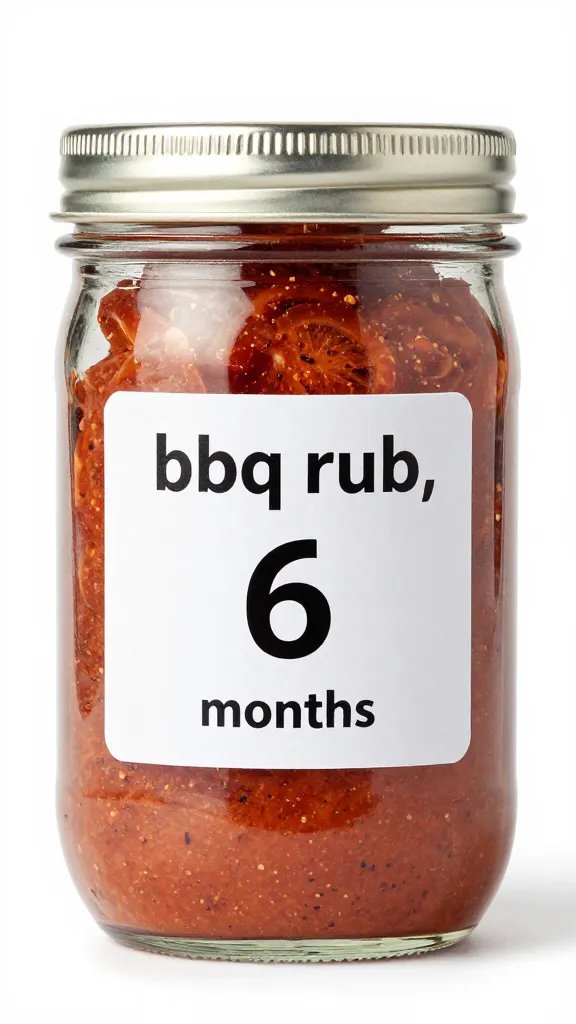
Freshness is flavor. Old paprika and garlic will flatten a beautiful bark.
- Buy fresh: Choose high-turnover stores. Check “best by” dates on paprika and chili powders especially.
- Sift or whisk: Break up clumps. A mesh strainer gives an even blend.
- Grind size: Use granulated garlic/onion, not powder, for better flow and less caking.
- Anti-cake: A teaspoon of cornstarch per 2 cups rub reduces clumping in humid climates.
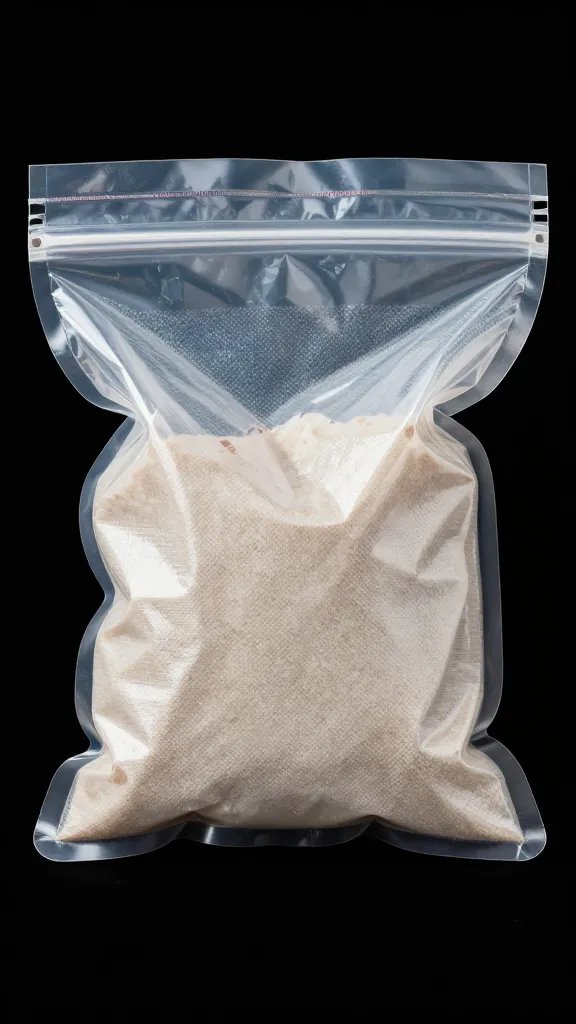
- Package smart: Store in airtight jars or vac-sealed bags. Label with date and heat level.
- Shelf life: 6 months pantry-stable; flavor starts to fade after that. Keep away from light and heat.
How to Apply Rub for Crowds
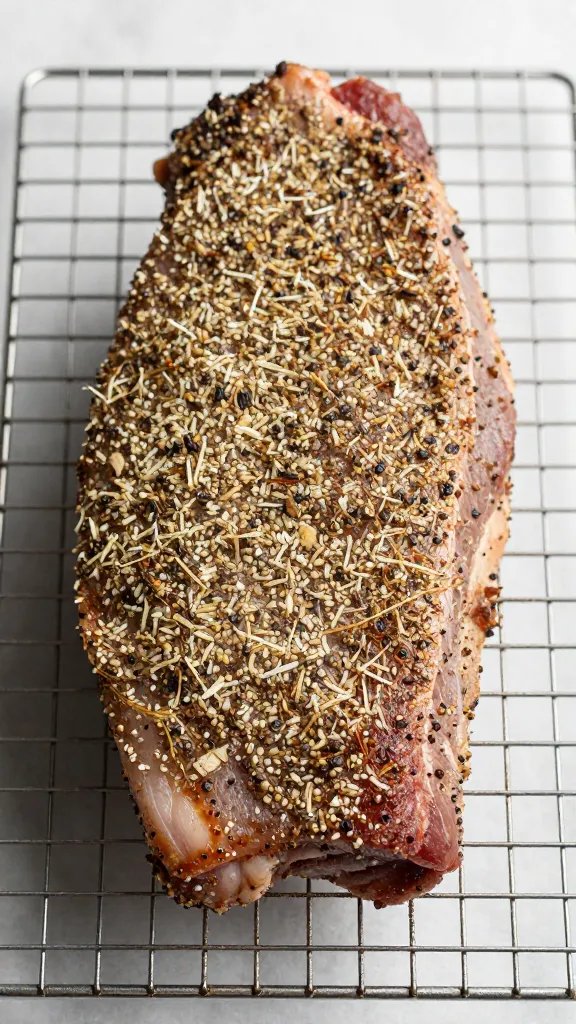
Seasoning is more than sprinkling. Coverage and timing matter.
- Dry the meat: Pat with paper towels so rub sticks, not slides.
- Binder (optional): Light coat of yellow mustard or oil helps adhesion without changing flavor.
- Even coverage: Use a shaker. Aim for a light, uniform carpet—not drifts.
- Timing: For big cuts (brisket/pork shoulder), rub 2–12 hours ahead. For chicken/ribs, 30–90 minutes is enough.
- Hold cold: Keep seasoned meat refrigerated until it hits the smoker or grill.
From My Kitchen: What Actually Works
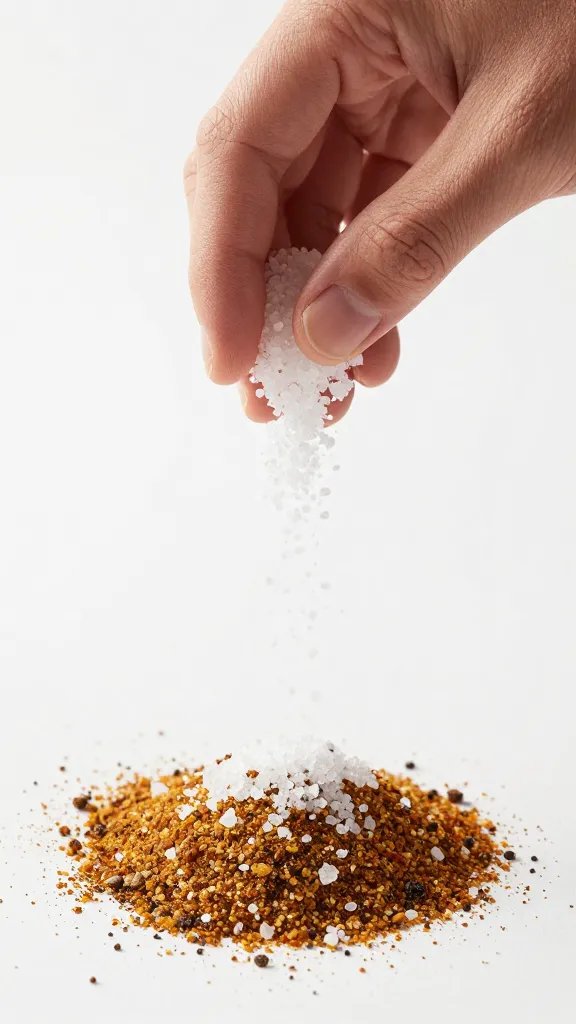
I scale every ingredient linearly, but I hold back 25% of the salt until I’ve mixed and tasted on a tomato slice or cucumber—produce mimics how salt pops on meat. When cooking for 50+, I make the rub 48 hours ahead and shake the container once per day; the flavors bloom and even out. For ribs, I’ve tested sugar levels side by side—more than 4 parts sugar burns faster at 300°F and tastes bitter; keep it at 3–4 parts if you’re running hot. Finally, black pepper coarseness changes bark: a 16-mesh grind gave me the best bite without overpowering heat.
Pairing Sauces and Sides (Crowd-Friendly)
Great rubs don’t need sauce, but guests love options. Offer one tangy and one herby.
- Bright and herby: Make a batch of this chimichurri recipe for beef and chicken.
- Smoky-sweet finish: Try these grilled vegetable sides to balance rich meats and stretch servings.
Frequently Asked Questions
How much BBQ rub do I need for 30 to 100 people?
Plan 1 to 1.25 tablespoons per pound of meat. That’s roughly 1–1.25 cups rub for 30 people, 2–2.75 cups for 50, and 4–6 cups for 100 depending on meat type and serving size.
Can I make BBQ rub in bulk ahead of time?
Yes. Mix up to 6 months ahead if stored airtight, away from heat and light. Spices fade over time, so use the freshest paprika and chili powders you can find.
What’s the best way to scale salt when making BBQ rub for a crowd?
Scale salt with the rest of the recipe, then taste and adjust. Large batches can read saltier over time, so hold back about 25% and add to taste after a small test on produce or a cooked sample.
Does bulk BBQ rub work for both pork and beef?
Yes, with tweaks. Keep sugar higher for pork and ribs, but reduce or omit sugar and increase black pepper for beef. Add dry mustard for pork and coriander for beef to fine-tune.
How long should rub sit on meat before cooking for best flavor?
Big cuts like brisket or pork shoulder benefit from 2–12 hours. Chicken and ribs do well with 30–90 minutes. Longer isn’t always better—too long on ribs can make them taste cured.
Can I freeze BBQ rub?
You can, but it’s usually unnecessary. If your kitchen is humid or hot, freezing in airtight bags can help prevent clumping. Let it come to room temp sealed to avoid condensation.
The Bottom Line
Bulk BBQ rub is about smart ratios, consistent measuring, and thoughtful tweaks for each protein. Scale evenly, adjust salt and heat last, and store it right—you’ll season like a pit pro for crowds of any size.
Planning to try this? Save this post so you can find it when you need it — and tag us when you make it.