- Best for: Weeknight grilling, weekend smoke sessions, or oven-baked ribs
- Make ahead: Yes — mix and store up to 6 months in an airtight jar
- Serves: Yields about 1 cup of rub — enough for 2 racks
- Key tip: Salt separately and lightly; then coat generously with rub to avoid oversalting
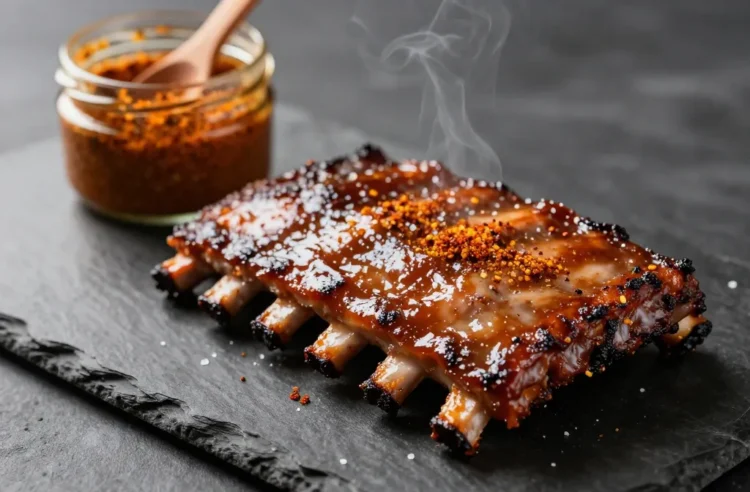
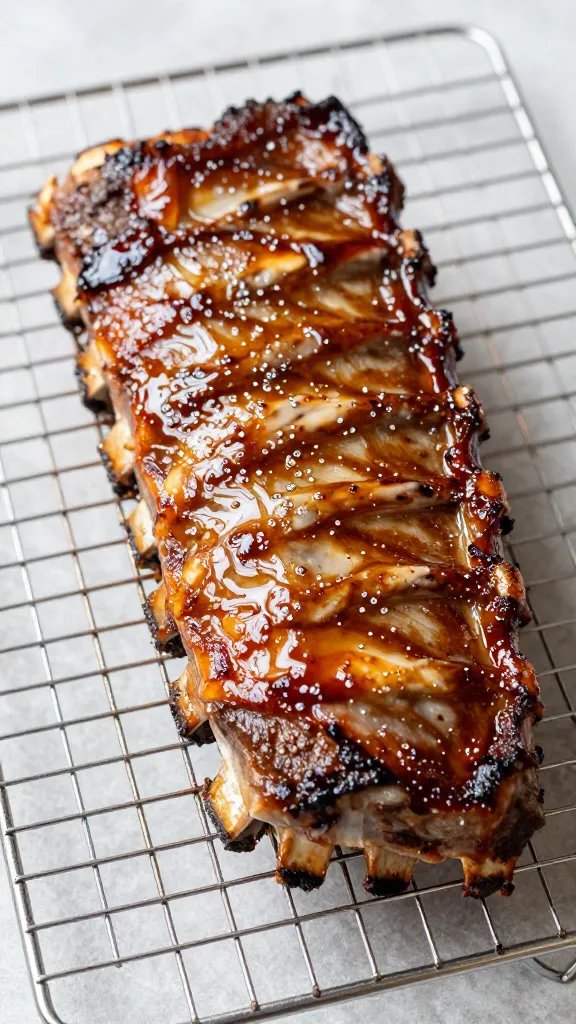
Brown Sugar and Garlic Dry Rub for Baby Back Ribs is the sweet-savory backbone of tender, caramelized pork. It balances smoky paprika, warm spices, and a hint of heat so your ribs sing without sauce. Mix once, stash it, and you’ve got rib-night insurance in your pantry. You’ll get the exact formula, pro tips for smoking or baking, and simple variations to nail your perfect rack.
Why This Brown Sugar–Garlic Rub Works
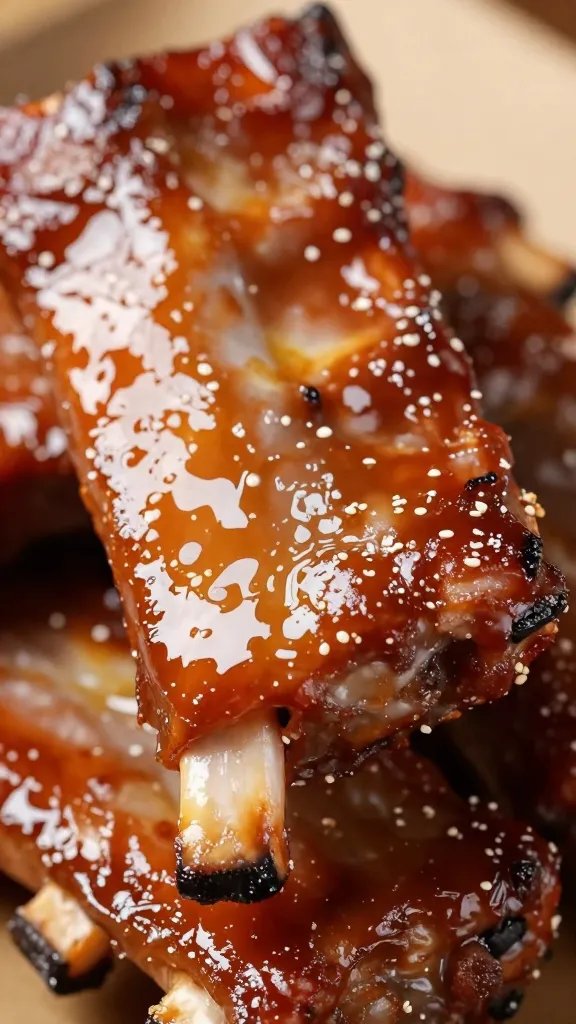
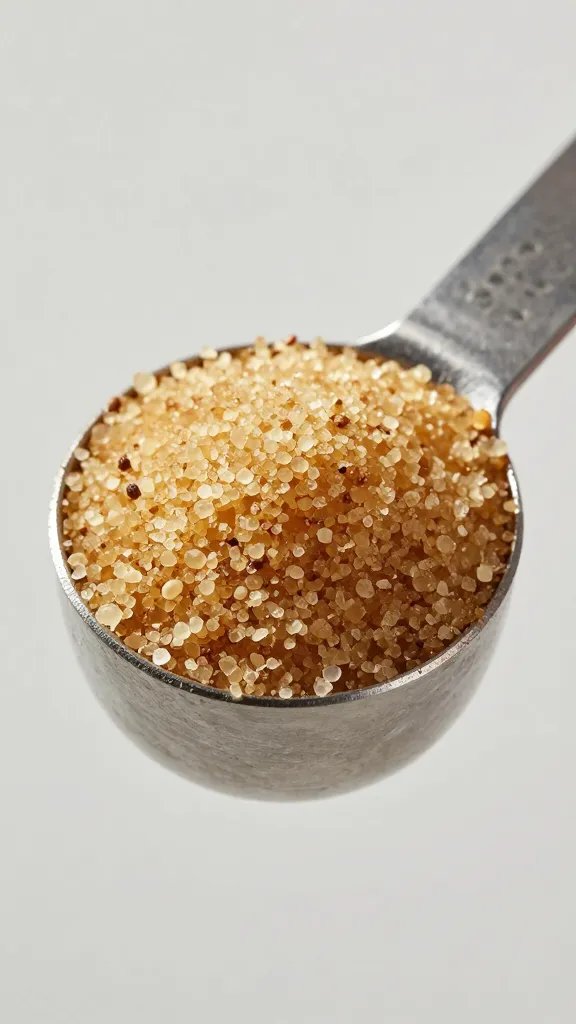
Sweet brown sugar melts into the rib surface, creating a glossy bark that helps lock in moisture. Granulated garlic adds depth that holds up to long cooks, while paprika and mustard powder deliver color and backbone.
We separate the salt. Why? Salt penetrates meat and can easily overshoot when combined with a sugar-heavy rub. Salting first, then rubbing, gives control and better texture.
Ingredients: The Sweet-Savory Balance
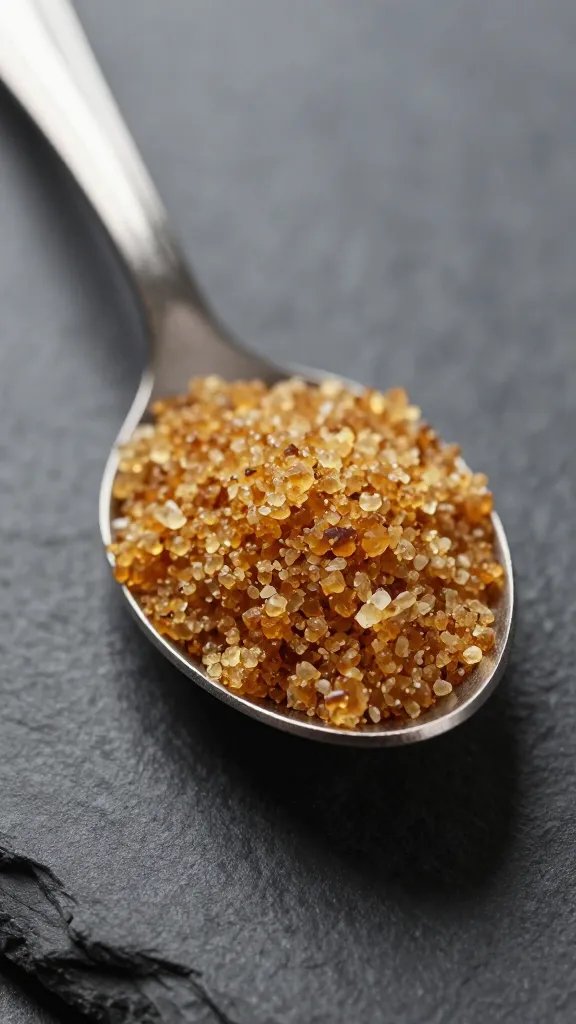
- 1/2 cup light brown sugar, packed
- 1 tablespoon kosher salt (for seasoning ribs, not in the rub)
- 2 tablespoons smoked paprika (or sweet paprika + 1 teaspoon chipotle powder)
- 1 tablespoon granulated garlic
- 1 tablespoon onion powder
- 1 tablespoon ground mustard
- 2 teaspoons freshly ground black pepper
- 1–2 teaspoons chili powder (mild) or cayenne (for heat)
- 1 teaspoon ground cumin
- 1 teaspoon dried thyme or oregano, crushed
- Optional: 1 teaspoon espresso powder for a deeper bark
Note: Keep the salt out of the main mix. Sprinkle it on the ribs first, then apply the rub generously.
How to Use the Rub on Baby Back Ribs
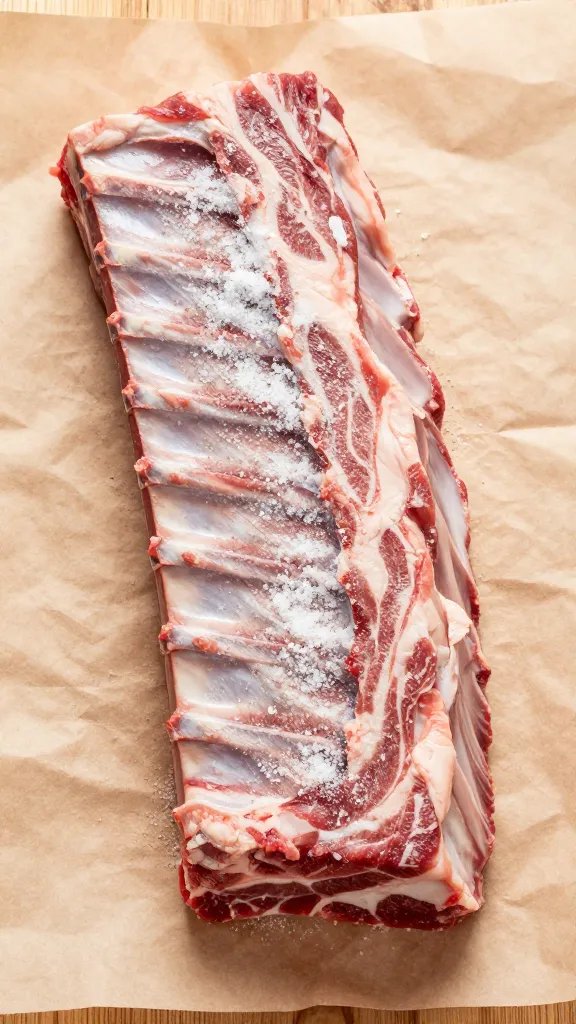
Prep the Ribs
- Remove the membrane: Slide a butter knife under the thin silver skin on the bone side, grip with a paper towel, and pull off.
- Pat dry well so the rub sticks instead of clumping.
- Season with kosher salt: About 1 teaspoon per rack (bone side lighter, meat side a touch heavier). Rest 15–30 minutes.
Apply the Rub
- Mix the dry rub ingredients (minus salt) thoroughly to break up sugar lumps.
- Coat both sides of the ribs generously. Aim for full coverage but don’t cake it on too thick.
- Rest 30 minutes at room temp or refrigerate up to 12 hours for deeper flavor.
Cook Methods
- Smoker (225–250°F): 2.5–3 hours uncovered, then wrap in foil with a splash of apple juice for 1 hour, unwrap and set bark 20–30 minutes. Target 195–203°F for bite-through tender.
- Oven (275°F): Place on a rack over a sheet pan. Bake 2.5 hours covered in foil, then uncover 20–30 minutes to set bark.
- Gas/Charcoal Grill: Indirect heat at ~275°F with a water pan. Keep lid closed. Add wood chunks or a foil packet of chips for smoke.
Optional glaze: Warm a 1:1 mix of apple cider vinegar and your favorite BBQ sauce. Brush lightly in the last 10 minutes if you like a sheen without masking the rub.
Flavor Tweaks and Substitutions
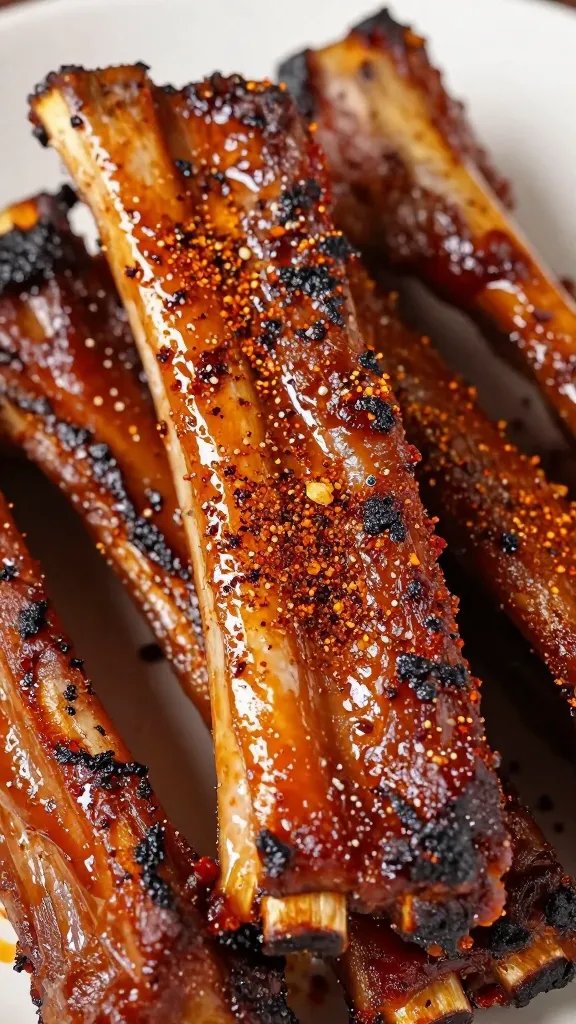
- Spicy: Add 1 teaspoon cayenne and 1 teaspoon chipotle powder. Balance with 1 extra tablespoon brown sugar if needed.
- Smokier: Use all smoked paprika, plus 1/2 teaspoon liquid smoke in a finishing glaze (not in the rub).
- Lower sugar: Swap half the brown sugar for coconut sugar or reduce by one-third and add 1 teaspoon coriander for brightness.
- Herby: Add 1 teaspoon dried rosemary, finely chopped, and 1 teaspoon fennel seed, lightly crushed.
- No mustard powder? Use 2 teaspoons Dijon in a thin layer on the ribs as a binder; it won’t taste “mustardy” after cooking.
Make-Ahead, Storage, and Scaling
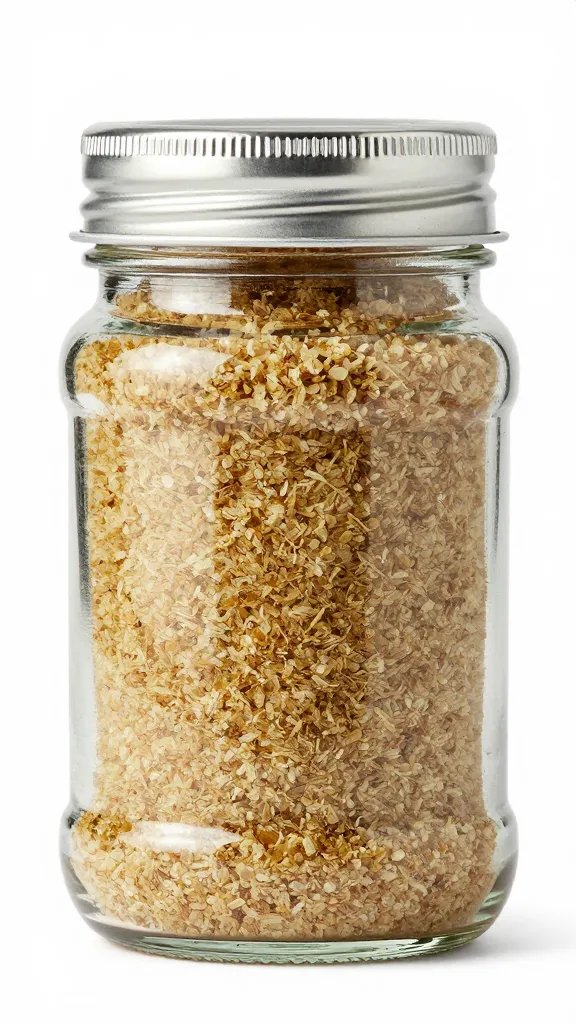
Store the rub (without salt) in an airtight jar for up to 6 months in a cool cupboard. Keep it away from humidity so the sugar doesn’t clump.
Scaling for a crowd? Multiply all ingredients evenly, but don’t pre-mix the salt. Salt scales differently with time and meat thickness; apply it directly to the ribs each time.
Leftover rub works on chicken thighs, salmon, or roasted sweet potatoes. Try it as a sprinkle on grilled corn with a little melted butter.
Pairings That Make It a Meal
Keep sides bright and crunchy to balance the caramelized ribs. A tangy herb sauce, crisp slaw, and something starchy are your best friends.
- Drizzle slices with a spoonful of this chimichurri recipe for a fresh, acidic pop.
- Serve with skillet cornbread and a simple vinegar slaw to cut richness.
- Leftovers? Chop rib meat and toss with smoky roasted potatoes for a next-day hash.
From My Kitchen: What Actually Works
I get the best bark when I apply the rub 45–60 minutes before cooking, not overnight. The sugar starts to melt and bond, but the surface doesn’t turn syrupy. On the smoker, I spritz every 45 minutes with a 50/50 apple cider vinegar and water mix; any more often cools the pit and dulls the bark. For tenderness, I stop unwrapped smoking at a clean tug between bones, then wrap; wrapping too early softens the crust. Lastly, a light post-rest brush of warm vinegar-barbecue glaze keeps the rub forward without turning the ribs saucy.
Frequently Asked Questions
Can I make Brown Sugar and Garlic Dry Rub for Baby Back Ribs ahead of time?
Yes. Mix the rub (without salt) and store it airtight up to 6 months. Keep it in a cool, dry place and break up any sugar clumps before using.
How much rub do I use per rack of baby back ribs?
Plan on 1/3 to 1/2 cup per rack, depending on size. You want full coverage, a thin even layer that tints the meat but doesn’t cake.
Do I need a binder for this dry rub on ribs?
Not required if ribs are slightly tacky from the salt rest. If your surface is very dry, a thin swipe of yellow mustard or oil helps the rub adhere without changing flavor.
What’s the best way to cook ribs with a brown sugar and garlic rub?
Low and slow at 225–275°F with indirect heat. Smoke or bake until 195–203°F internal, resting 10–15 minutes before slicing so the bark sets.
Will the sugar in the rub burn?
At low smoking or baking temps (225–275°F), brown sugar won’t burn; it caramelizes and forms a bark. Avoid direct high heat and finish gently if glazing.
Can I use this rub on St. Louis ribs or chicken?
Absolutely. It’s excellent on St. Louis–cut ribs and chicken thighs. Reduce sugar by a tablespoon for high-heat grilling to minimize scorching on chicken skin.
The Bottom Line
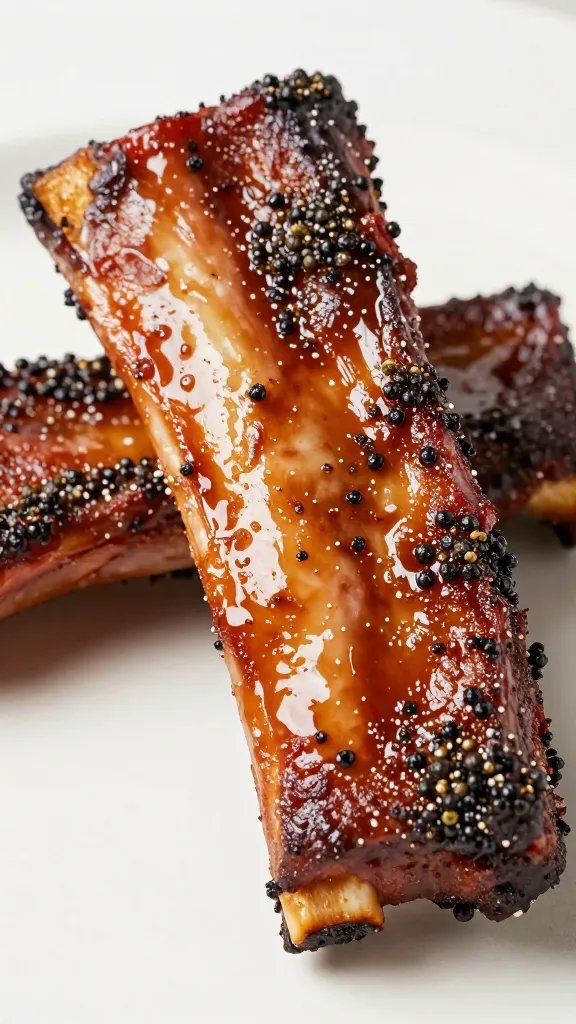
Sweet, garlicky, and deeply savory, this rub delivers a mahogany bark and balanced flavor without drowning your ribs in sauce. Salt first, rub generously, and cook low and slow — you’ll taste the difference in every bite.
Planning to try this? Save this post so you can find it when you need it — and tag us when you make it.