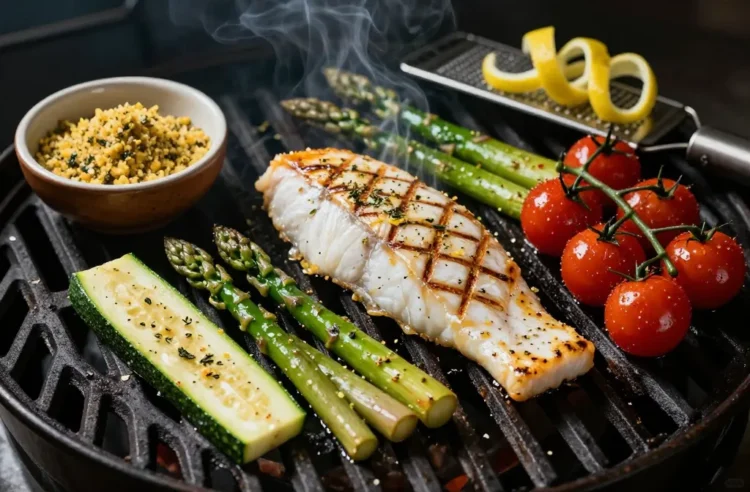
- Best for: Weeknight grilling, seafood dinners, and veggie platters
- Make ahead: Yes — up to 3 months in an airtight jar
- Serves: Yields about 1/2 cup (seasons 3–4 pounds of food)
- Key tip: Zest your lemon straight into the salt to lock in citrus oils
Herb and Lemon Dry Rub for Grilled Fish and Vegetables brings bright citrus and savory herbs to your grill with almost no effort. It’s clean, fragrant, and built to flatter delicate fish and quick-cooking veg. No marinade window needed — rub, rest 10 minutes, and grill. In this article you’ll get the exact blend, smart swaps, and pro steps to nail it every time.
Why A Dry Rub Beats Marinade for Fish and Veg
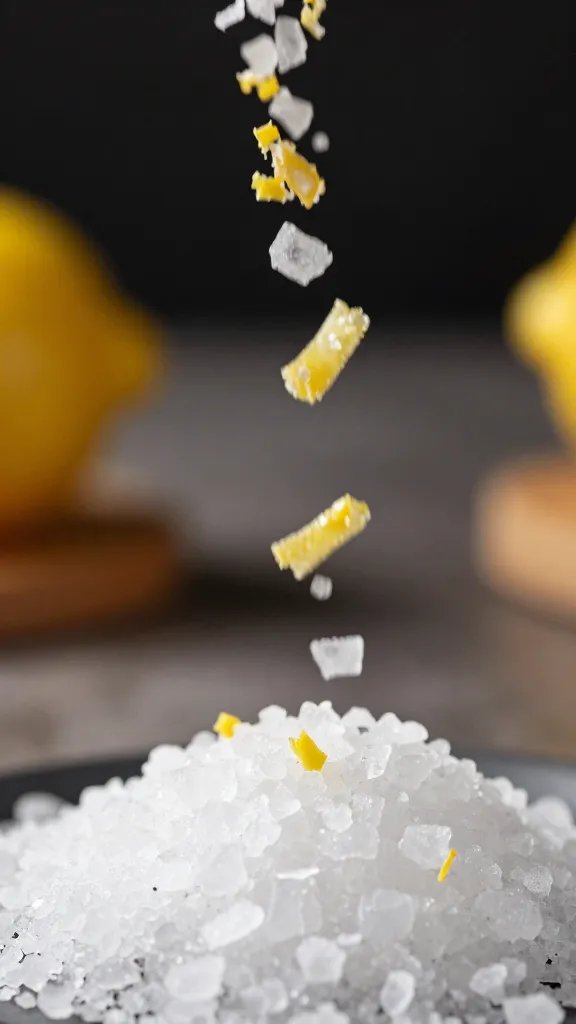
Fish and many vegetables don’t need a bath — they need flavor and a dry surface for browning. A dry rub delivers both. You’ll get quicker prep, better sear, and zero watery runoff.
Another plus: you can season right before grilling and still get big flavor. The salt and lemon oils penetrate fast, while herbs stay bright on the surface.
The Core Blend: Herb and Lemon Dry Rub
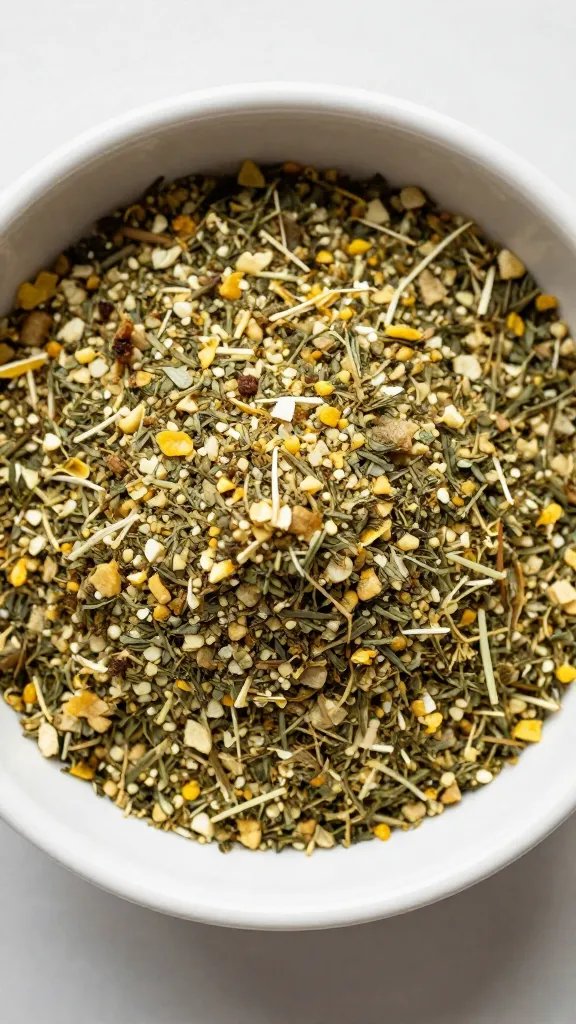
Ingredients (1/2 cup)
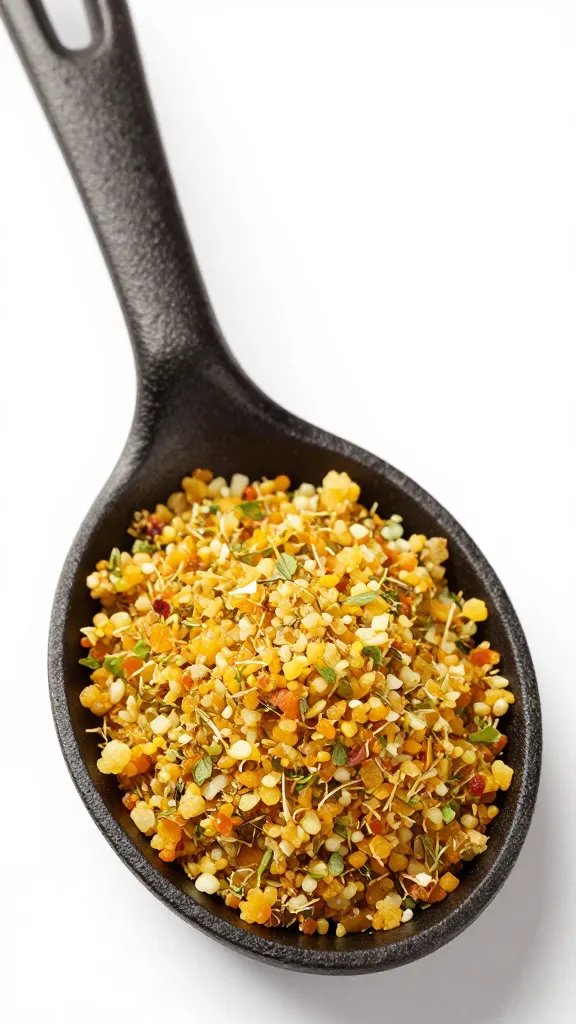
- 2 tbsp fine sea salt (not flaky; measure true)
- 2 tsp lemon zest (from 2 firm lemons)
- 1 tbsp dried oregano
- 1 tbsp dried thyme
- 2 tsp dried dill
- 2 tsp garlic powder
- 1 tsp onion powder
- 1 tsp black pepper (freshly ground)
- 1/2 tsp crushed red pepper (optional heat)
- 1 tsp sugar (balances lemon’s sharpness)
Method
- Combine salt and lemon zest first. Rub with fingertips for 30 seconds to release citrus oils.
- Whisk in the remaining spices until evenly speckled.
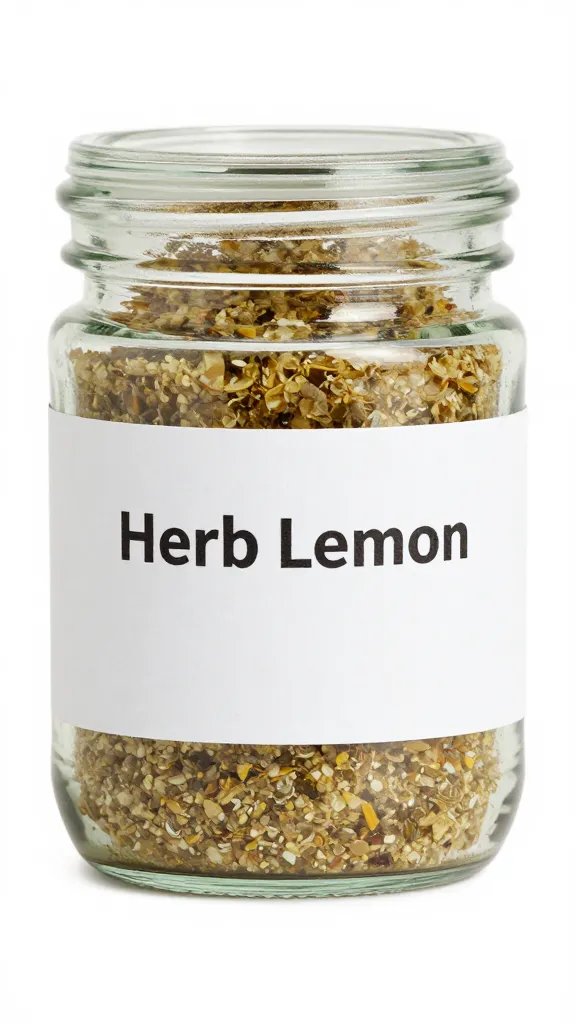
- Use immediately or store airtight, away from light and heat.
How To Use It on Grilled Fish
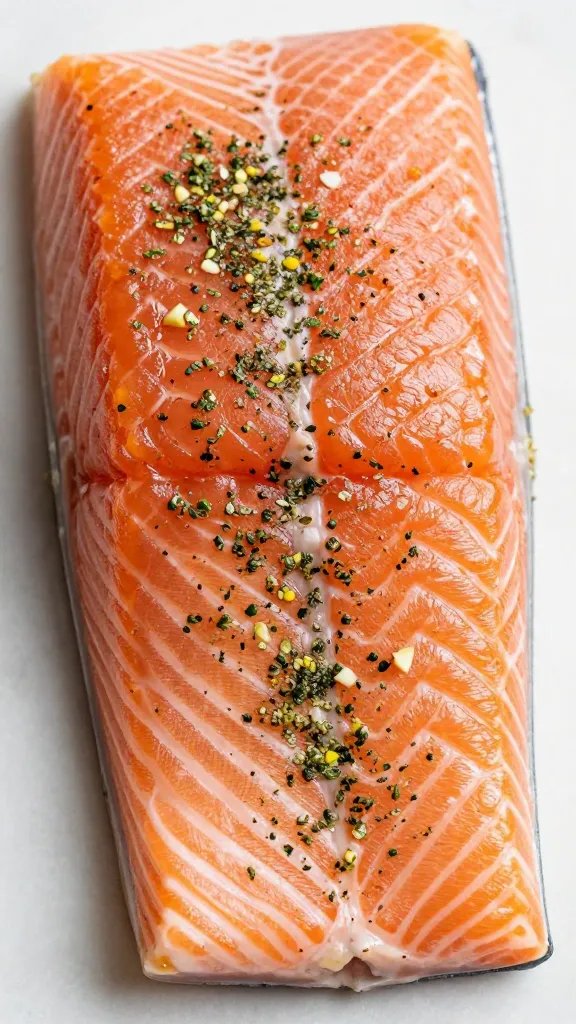
Best fish choices
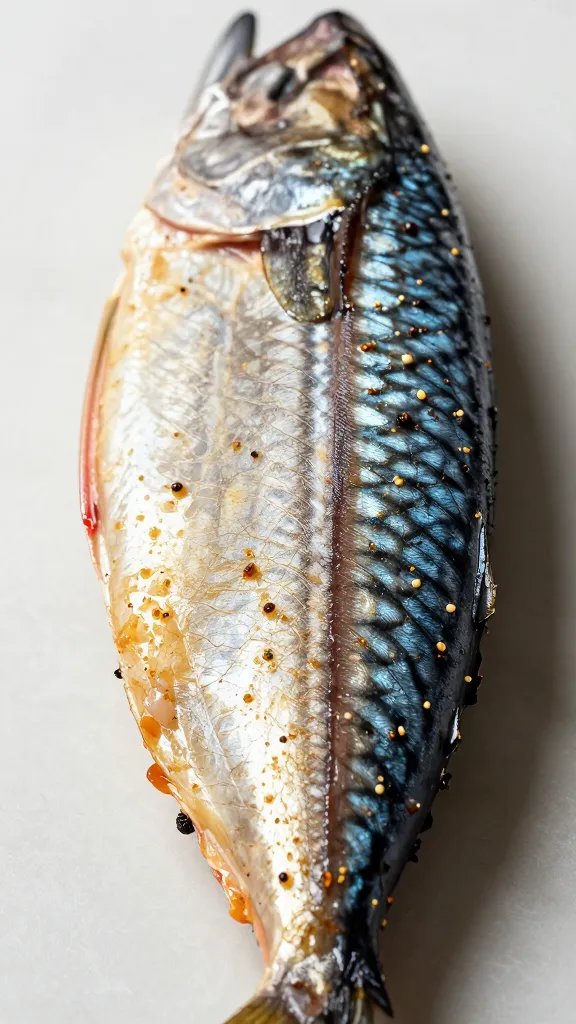
- Firm, flaky: cod, halibut, haddock
- Rich, meaty: salmon, arctic char
- Delicate fillets: trout, snapper, branzino
Step-by-step
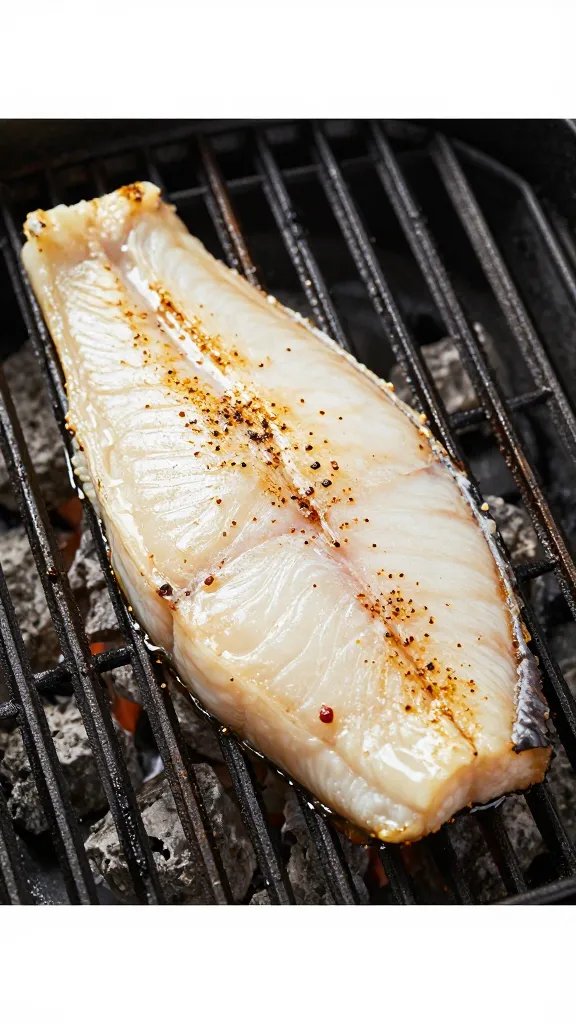
- Pat fish very dry. Light oil on both sides to prevent sticking.
- Season with 1 to 1.5 tsp rub per 6 oz fillet. For thick cuts (salmon), go to 2 tsp.
- Rest 10 minutes at room temp for the salt to draw in.
- Grill over medium-high: 3–5 minutes per side depending on thickness. Aim for 125–130°F in the center for most fish; carryover will finish it.
- Finish with a squeeze of lemon and a drizzle of olive oil.
Skin-on tips
- Place skin-side down first and cook 70–80% on that side.
- Only flip once the fish releases easily — don’t pry.
How To Use It on Grilled Vegetables
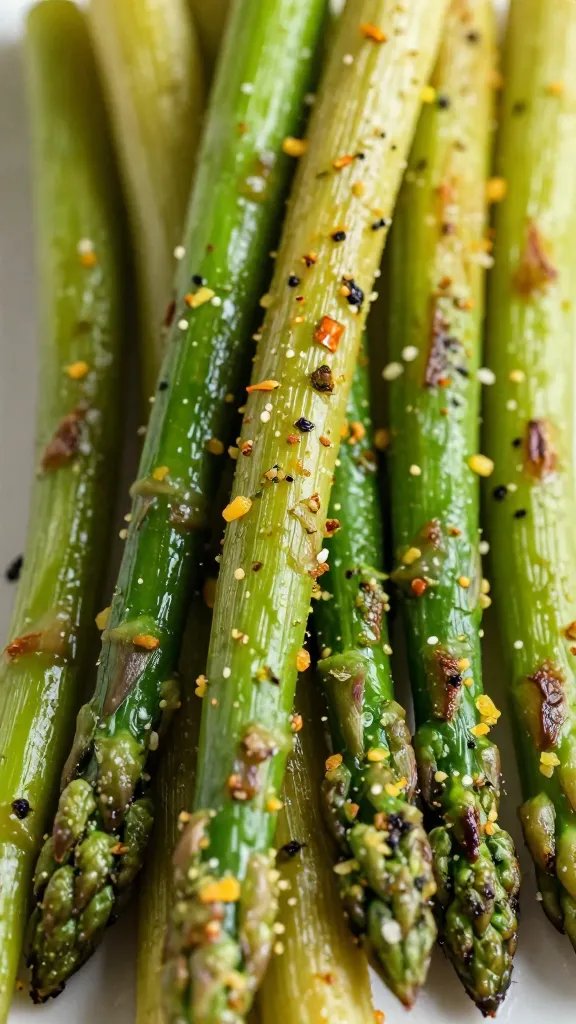
Great matches
- Quick-cook: asparagus, zucchini, cherry tomatoes, broccolini
- Sturdy: eggplant, bell peppers, red onion, fennel
- Starchy: potatoes, sweet potatoes (par-cook first)
Seasoning and timing
- Toss cut vegetables with olive oil.
- Sprinkle 1 tbsp rub per pound of vegetables. Add more to taste after grilling.
- Grill over medium-high until charred in spots and just tender: 3–5 minutes for quick-cook, 8–12 for sturdy cuts.
Skewer and basket tips
- Use a grill basket for small items; they love to fall through grates.
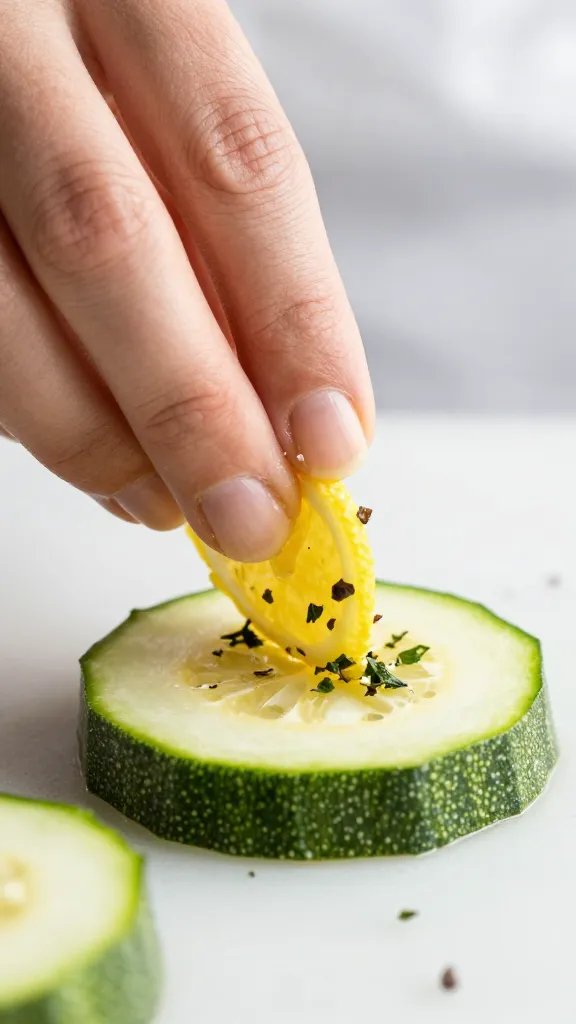
- Double-skewer soft veg (zucchini rounds) so they don’t spin.
Smart Swaps and Variations
- No lemon zest? Use 1 tsp citric acid and add fresh lemon at the end for aroma.
- Herb swap: sub basil or marjoram for oregano; parsley flakes for dill. Keep the oregano+thyme backbone for classic flavor.
- Garlic-free: replace garlic powder with 1 tsp ground coriander for citrusy warmth.
- Low-sodium: halve the salt and finish with flaky salt at the table.
- Smoky twist: add 1 tsp smoked paprika — great on salmon and eggplant.
Make-Ahead, Storage, and Food Safety
- Dry-only storage: Up to 3 months in a cool, dark cabinet. Citrus oils fade after that.
- If zest feels damp: Spread the mix on a tray and air-dry 1 hour before jarring to prevent clumps.
- Batching: Scale up, but keep zest to 2–3 lemons per cup of rub for balanced fragrance.
- Cross-contamination: Spoon rub onto a small dish for raw fish; don’t dip back into the main jar.
Serving Ideas That Shine
- Grilled salmon + asparagus with a lemon-yogurt drizzle.
- Cod tacos with cabbage, avocado, and a squeeze of lime.
- Vegetable platter (zucchini, peppers, fennel) finished with feta and mint.
- Grilled potato wedges par-cooked, then rubbed and charred; serve with aioli.
Want a bright sauce alongside? Pair it with this chimichurri recipe for an herby finish that won’t fight the lemon. For steak night add-on, keep a jar next to these steakhouse-style compound butters so everyone can mix and match.
From My Kitchen: What Actually Works
The lemon zest-to-salt rub-in step matters more than it sounds — when I skipped it, side-by-side tests tasted notably flatter. For salmon, I’ve found 2 teaspoons of rub per 6 ounces is the sweet spot; more starts to mask the fish’s richness. On zucchini, season lightly before grilling and then dust a pinch after cooking — that second hit perks up flavor without burning the herbs. If your grill runs hot, move delicate fish to a cooler zone after the first flip so the herbs don’t char.
Frequently Asked Questions
How long does Herb and Lemon Dry Rub for Grilled Fish and Vegetables keep?
Stored airtight in a cool, dark place, it keeps peak flavor for up to 3 months. After that the citrus notes fade, though it’s still safe to use if it smells fresh and not musty.
Can I make Herb and Lemon Dry Rub for Grilled Fish and Vegetables ahead of time?
Yes. Mix a big batch and store it in a sealed jar. If your zest is very fresh and moist, let the blend air-dry for an hour before sealing to prevent clumping.
What’s the best way to get the rub to stick to fish?
Pat fish dry, brush lightly with oil, then sprinkle the rub and press gently. Rest 10 minutes before grilling so the salt dissolves and anchors the spices.
Can I use this rub in the oven or on a skillet instead of grilling?
Absolutely. Roast fish at 400°F until just opaque, or pan-sear in a lightly oiled nonstick or well-seasoned skillet. For vegetables, roast on a sheet pan at 425°F for better browning.
Is fresh herb better than dried for this rub?
For a shelf-stable rub, dried herbs win because they don’t clump and they toast nicely. Finish with a little fresh dill or parsley after cooking if you want a pop of green.
The Bottom Line
This Herb and Lemon Dry Rub is a fast track to bright, balanced flavor on fish and vegetables — no marinade, no fuss. Keep a jar on hand, and your grill nights get easier and better.
Planning to try this? Save this post so you can find it when you need it — and tag us when you make it.